When you're trying to keep your home powered reliably and without interruptions, knowing how to pick out the best electric inverter is pretty important. Basically, electric inverters are devices that turn DC (that’s direct current) into AC (alternating current), which means you can run your home appliances and keep things running smoothly even if the power goes out or the grid gets a bit unstable. Honestly, with so many options out there, it can feel kinda overwhelming trying to find the right one for your needs.
In this guide, I’ll walk you through what to think about when choosing an electric inverter—things like how much power it can handle, how efficient it is, how long it can keep things running during a blackout, and any extra features that might make your life easier. Getting a good grasp on these details will help you make a smarter choice that suits your power needs and fits your budget. Whether you're just looking to keep a few essential appliances going or you're managing power for a bigger household, this article should give you all the insights to find the perfect inverter for your situation.

Understanding the Basics of Electric Inverters
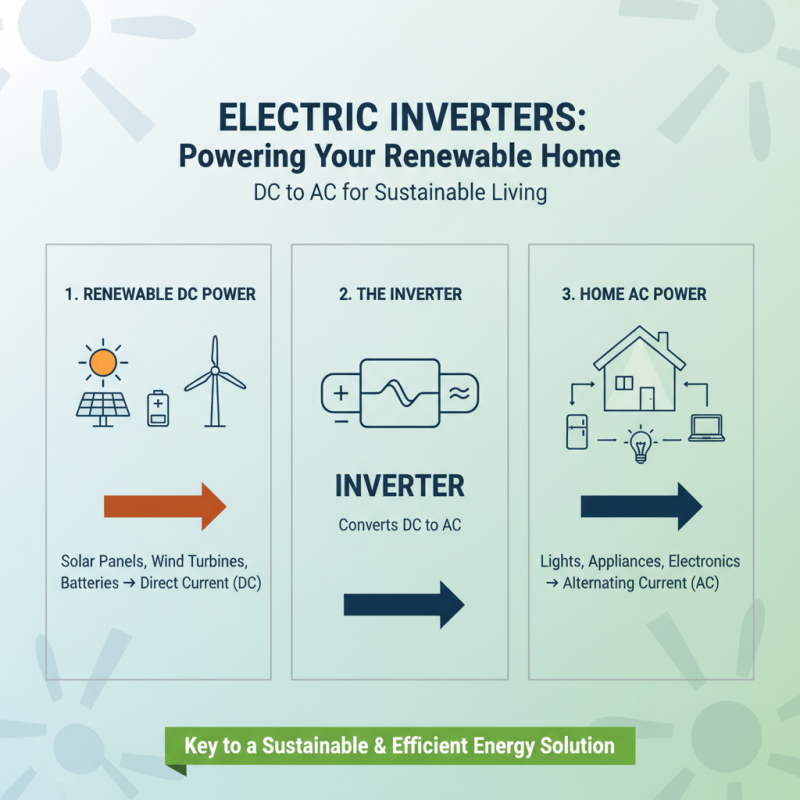
Electric inverters play a crucial role in converting direct current (DC) from renewable energy sources into alternating current (AC), which is commonly used in household appliances. Understanding the basics of electric inverters begins with recognizing their primary function: they enable the use of solar panels, wind turbines, or battery storage systems to power your home. This conversion is essential for integrating renewable energy into daily life, providing a sustainable and efficient energy solution.
When choosing an inverter, it's important to consider its efficiency and capacity, as these factors determine how much of your generated energy will be usable. Efficiency rates typically range from 90% to over 98%, affecting your overall energy savings. Additionally, the capacity of the inverter should align with your household’s energy needs, allowing for flexibility as those needs change over time. By understanding these fundamental aspects, you can make an informed decision that best fits your energy goals while optimizing the performance of your home energy system.
Types of Electric Inverters and Their Applications
When it comes to choosing the right electric inverter for your home, understanding the types and their specific applications is essential. Electric inverters primarily fall into three categories: pure sine wave, modified sine wave, and square wave inverters. Pure sine wave inverters produce a clean, smooth wave of electricity that mimics the power supplied by utility companies. This makes them ideal for sensitive electronics, such as computers, medical equipment, and audio/video devices, ensuring optimal performance without the risk of damage.
Modified sine wave inverters, while less sophisticated, are more budget-friendly and suitable for running less sensitive devices. These inverters work well with tools, lights, and other appliances that don’t require the precision of a pure sine wave. Lastly, square wave inverters, though rarely used nowadays, can power basic appliances and tools but are not recommended for sensitive equipment due to their waveform characteristics. Understanding these distinctions will guide you in matching the inverter type with your specific power needs and applications, thereby maximizing reliability and efficiency in your home.
Types of Electric Inverters and Their Applications
Evaluating Your Energy Needs for Home Appliances
When it comes to choosing the best electric inverter for your home, understanding your energy needs is crucial for making an informed decision. According to the U.S. Department of Energy, the average American household consumes about 877 kWh per month. This figure can vary significantly based on the number and types of appliances in use, as well as the overall energy efficiency of the home.
It’s essential to evaluate your appliance usage—both everyday items like refrigerators and microwaves, as well as occasional devices such as power tools or entertainment systems. Comprehensive assessment can prevent overloading the inverter and ensure that it meets your specific needs.
One effective method for gauging your energy requirements is to compile a list of appliances along with their power ratings, typically found on their specification labels. For example, a standard refrigerator may use between 100 to 800 watts depending on its size and efficiency. According to a report by the International Energy Agency, major appliances can consume a large chunk of residential energy—accounting for about 30% of total household electricity use.
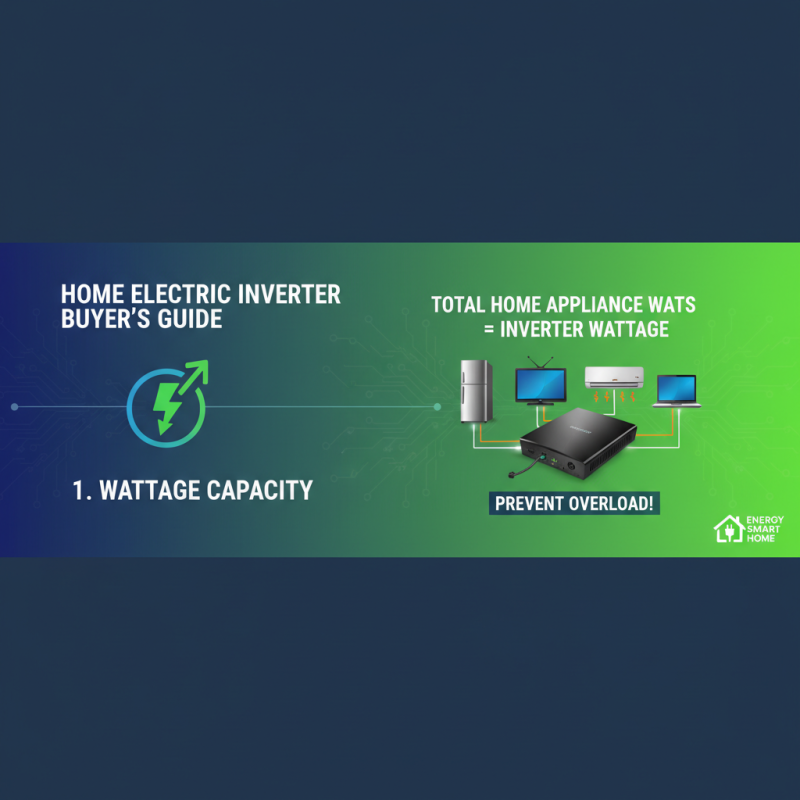
By calculating the cumulative wattage of all devices you plan to power, you can better determine the capacity of the inverter you will need. This thoughtful evaluation not only helps in selecting the appropriate inverter but also aids in optimizing energy consumption and potentially lowering electricity bills in the long run.
Key Features to Look for in an Electric Inverter
When selecting the best electric inverter for your home, it's essential to consider several key features that cater to your specific energy needs. One of the most crucial factors is the inverter's wattage capacity. This determines how many appliances can be powered simultaneously. It's advisable to calculate the cumulative wattage of all devices you intend to run to ensure the inverter can handle the load without risking overload or failure.
Another important feature to look for is the inverter's efficiency rating. Higher efficiency means that less energy is wasted during the conversion process, leading to lower electricity costs over time. Additionally, consider the type of inverter—whether a pure sine wave or modified sine wave inverter best suits your requirements. Pure sine wave inverters provide cleaner and more reliable power, making them ideal for sensitive electronics, while modified sine wave inverters may suffice for basic equipment.
Finally, assess the inverter's safety features such as overload protection, short circuit protection, and thermal shutdown. These features not only safeguard your inverter but also protect your home appliances from potential damage. A reliable inverter should also come with a warranty and strong customer support, ensuring peace of mind with your investment.
Assessing the Efficiency and Performance Ratings
When selecting an electric inverter for home use, assessing efficiency and performance ratings is crucial to ensure optimal functionality. Electric inverters convert DC power from sources like batteries and solar panels into AC power, which is typically used in household devices. According to the U.S. Department of Energy, inverters can achieve efficiency ratings between 80% to 95%, with high-efficiency models significantly reducing energy losses during conversion. This can be critical for homeowners looking to maximize energy savings, particularly in regions where electricity costs are high.
Investigating performance ratings involves examining not just efficiency, but also aspects such as surge capability and total harmonic distortion (THD). Data from the National Renewable Energy Laboratory suggests that inverters with a THD below 5% provide cleaner power, resulting in less wear and tear on sensitive electronics. Furthermore, the ability to handle short-term power surges is essential for devices that require more power at startup; hence, choosing an inverter rated for at least 150% of the continuous load can help manage these demands effectively. By considering these factors, homeowners can make informed decisions that align with their energy needs and contribute to a more sustainable household.
Budget Considerations: Costs of Electric Inverters
When it comes to selecting an electric inverter for your home, budget considerations play a crucial role in the decision-making process. The cost of electric inverters varies widely based on their capacity, features, and brand reputation. Industry reports indicate that homeowners can expect to pay anywhere from $200 to $2,000 for an efficient inverter, depending on the power requirements and technology used. For instance, a basic inverter that can support smaller appliances typically ranges from $200 to $600, while high-capacity inverters designed to power multiple devices simultaneously can cost significantly more.
Additionally, it’s important to consider the long-term financial implications of your investment. A study from the Solar Energy Industries Association (SEIA) reveals that while upfront costs can be substantial, efficient electric inverters can lead to considerable savings on electricity bills over time. In fact, high-quality inverters can achieve efficiency ratings of up to 97%, translating into better energy use and reduced operational costs. Furthermore, factoring in potential tax incentives or rebates offered by local governments can help mitigate initial expenses, making the choice of an electric inverter not just about immediate costs, but also about future savings and environmental impact.
How to Choose the Best Electric Inverter for Your Home and Needs - Budget Considerations: Costs of Electric Inverters
| Inverter Type |
Power Output (Watts) |
Estimated Cost (USD) |
Features |
| Pure Sine Wave |
1000W |
$300 |
High efficiency, less noise, ideal for sensitive electronics |
| Modified Sine Wave |
1000W |
$200 |
Cost-effective, suitable for most appliances but may cause issues with sensitive devices |
| Grid-tie Inverter |
3000W |
$800 |
Connects to the grid, allows net metering |
| Off-grid Inverter |
2000W |
$600 |
Designed for standalone systems, battery backup, or renewable energy setups |
| Portable Inverter |
500W |
$150 |
Lightweight, suitable for camping or small appliances |
Installation and Maintenance Tips for Longevity
When it comes to ensuring the longevity of your electric inverter,
proper installation and maintenance are paramount.
First and foremost, it is essential to choose a location that is cool, dry, and well-ventilated for installation.
Inverters generate heat, so avoiding cramped or overly humid spaces helps prevent overheating.
Additionally, ensure that the inverter is mounted securely to a stable surface, away from direct sunlight and moisture.
Following the manufacturer's guidelines during installation will also help in optimizing performance and safety.
Regular maintenance further enhances the lifespan of your inverter.
Start with routine inspections to check for dust accumulation and ensure the ventilation areas are clear.
Cleaning the inverter casing and taking care to keep connections tight and rust-free are crucial steps.
Schedule periodic checks on battery health, connections, and the inverter's overall functionality.
Keeping firmware updated can also prevent operational issues and improve efficiency.
By adhering to these installation and maintenance tips, you can maximize the performance and longevity of your electric inverter, ensuring it meets your needs effectively.
FAQS
: To evaluate your energy needs, compile a list of your appliances along with their power ratings, typically found on their specification labels. Calculate the cumulative wattage to determine the inverter capacity required for your needs.
The average household consumes about 877 kWh per month, although this can vary based on the number and types of appliances used as well as the overall energy efficiency of the home.
Understanding your appliance usage helps prevent overloading the inverter and ensures that it meets your specific energy needs, leading to optimized energy consumption and potentially lower electricity bills.
Consider the inverter's wattage capacity to determine how many appliances it can power, its efficiency rating for lower energy costs, and whether you need a pure sine wave or modified sine wave inverter based on your equipment's requirements.
Pure sine wave inverters provide cleaner and more reliable power suitable for sensitive electronics, while modified sine wave inverters may be adequate for basic appliances.
Look for safety features such as overload protection, short circuit protection, and thermal shutdown to safeguard both the inverter and your appliances from potential damage.
Higher efficiency inverters waste less energy during the conversion process, which can lead to lower electricity costs over time.
Yes, a reliable inverter should come with a warranty and strong customer support to ensure peace of mind with your investment.
Major appliances account for about 30% of total household electricity use, making their power consumption significant in evaluating energy needs.
By calculating the total wattage of all the devices you plan to power and choosing an inverter with an appropriate capacity, you can avoid overloading the inverter.
Conclusion
Choosing the best Electric Inverter for your home involves understanding its fundamentals and the various types available, each suited for different applications. Evaluating your energy needs is crucial, as it helps in selecting an inverter that can adequately support your appliances without unnecessary oversizing.
When considering an Electric Inverter, key features such as wattage capacity, inverter type, and additional functionalities should be prioritized. Performance ratings and efficiency are vital indicators of how well the inverter will meet your energy needs, while budget considerations will guide you in finding an option that offers value for your investment. Finally, maintaining the inverter through proper installation and regular upkeep will ensure its longevity and optimal performance over time.


 Who we are
 Discover Who we are
 Power Solutions
 Discover Power Solutions
 Media
Media
 Discover Media
 Services
 Discover Our Services
 Get in touch