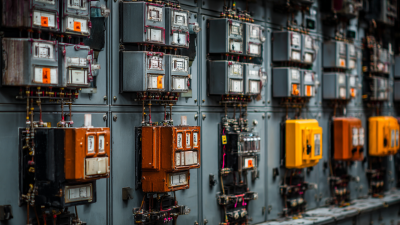
Picking the right voltage power supply for your electronics projects is pretty important if you wanna get the best performance and make your devices last. I mean, according to a report from MarketsandMarkets, the global market for power supplies is expected to hit around 30.6 billion bucks by 2026. That just shows how much everyone’s looking for reliable and efficient power solutions across different industries. And you know what? Sichuan Injet Electric Co., Ltd. really knows their stuff — they’ve been in the game for over 27 years, focusing on power solutions. They’re all about innovating through their own R&D, and they offer high-quality power supplies for just about anything you need. If you’re an engineer or even a hobbyist, understanding the ins and outs of voltage power supply specs is super important because choosing the wrong one can really mess with how well your project performs and how long it lasts.
Understanding the Voltage Requirements of Your Electronics Components
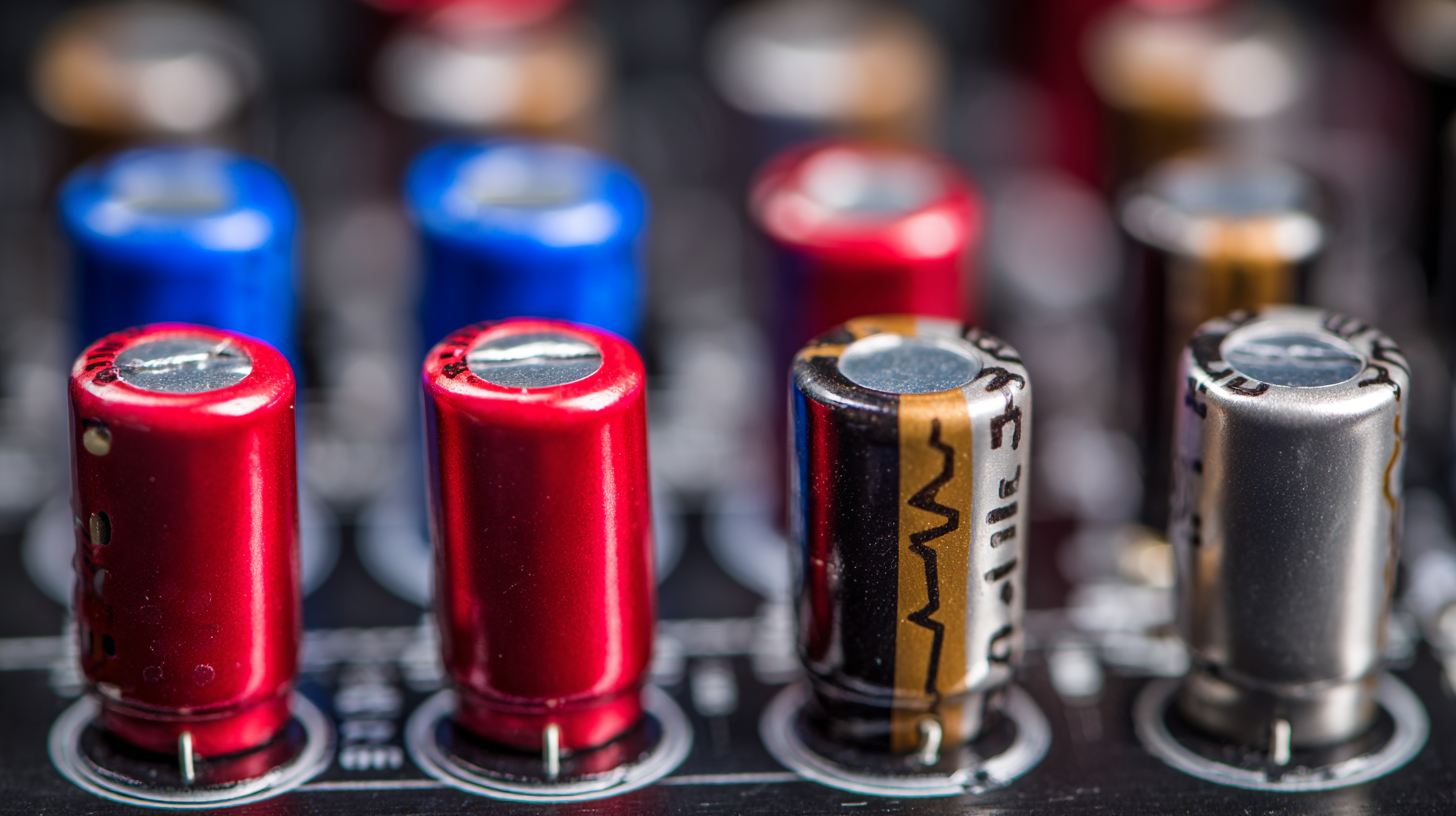
When you're diving into electronics projects, it's really important to pay attention to the voltage needs of your components. Most gadgets and parts work best within certain voltage ranges—usually somewhere between 3V and 12V for smaller, low-power stuff, and up to 24V for the more demanding applications. I recently read a study from the Electronics Component Industry Association, and it turns out that about 70% of component failures are linked to supply voltage issues. That just goes to show why picking the right power supply, one that matches the specs in your datasheets, is such a big deal.
But wait, there's more! You also gotta think about things like voltage tolerances and sudden spikes. Many microcontrollers and sensors, for example, can handle around ±5% to ±10% variations—but going outside those ranges could seriously mess things up or even cause permanent damage. A report from EETimes recommends using a regulated power supply to keep things stable and cut down on those risks. It’s also super helpful to use tools like a multimeter to double-check that the voltage you're providing matches what your project needs. Doing this can really improve how reliable and smooth everything runs in the long run.
Voltage Requirements for Common Electronics Components
Identifying Different Types of Power Supplies for Projects
When you're diving into electronics projects, choosing the right power supply voltage is kinda essential. It’s all about making sure your circuits not only work smoothly but also stay safe. It helps to know the different types of power supplies out there—trust me, it makes your life so much easier when you’re trying to pick the right one. For example, linear power supplies are a popular choice because they’re simple and give you a steady, reliable output. On the flip side, switching power supplies are great if you’re after something more efficient and more compact. And let’s not forget about regulated power supplies—they’re super important when you need the voltage to stay stable, especially with sensitive electronic stuff.
At Sichuan Injet Electric Co., Ltd., we draw on our 27 years of experience to craft innovative power solutions for all kinds of industries. Our focus on R&D means we’re always working on improving what we offer. Whether you’re after a tiny power supply for portable gadgets or a heavy-duty solution for industrial setups, we've got a wide range of options to match your needs. And, most importantly, we always keep performance and reliability front and center—that’s what really counts in this game.
Evaluating Power Supply Ratings: Voltage, Current, and Wattage
Choosing the right voltage power supply for your electronics projects can feel a bit overwhelming at first, but understanding the basics really makes a difference. Basically, power supplies are characterized by three main specs: voltage, current, and wattage. These numbers tell you how well the supply can provide energy to your components.
For example, the voltage rating shows the electrical potential or push, while the current rating is about how much electric charge can flow at once. And wattage? It’s simply the voltage times the current, giving you the total power your setup can draw.
Here’s a little tip: it’s always safer to go a bit higher than your project’s voltage needs. So, if you’re working with something that runs on 12V, grabbing a power supply rated around 15V isn’t a bad idea — it gives you some extra headroom. Also, keep an eye on the current. Choosing a supply that offers about 20% more than what your project needs helps prevent overheating and ensures everything runs smoothly.
Another thing to keep in mind is efficiency — and that’s especially true as we’re moving towards greener energy solutions. Recent research suggests that tuning the voltage in power systems can actually boost performance. For instance, modern photovoltaic (solar) systems often do better with higher voltage modules compared to older setups. So, it’s pretty clear that picking the right voltage isn’t just a technical detail — it’s part of staying current with the latest in energy tech.
Considering Efficiency and Heat Dissipation in Power Supplies
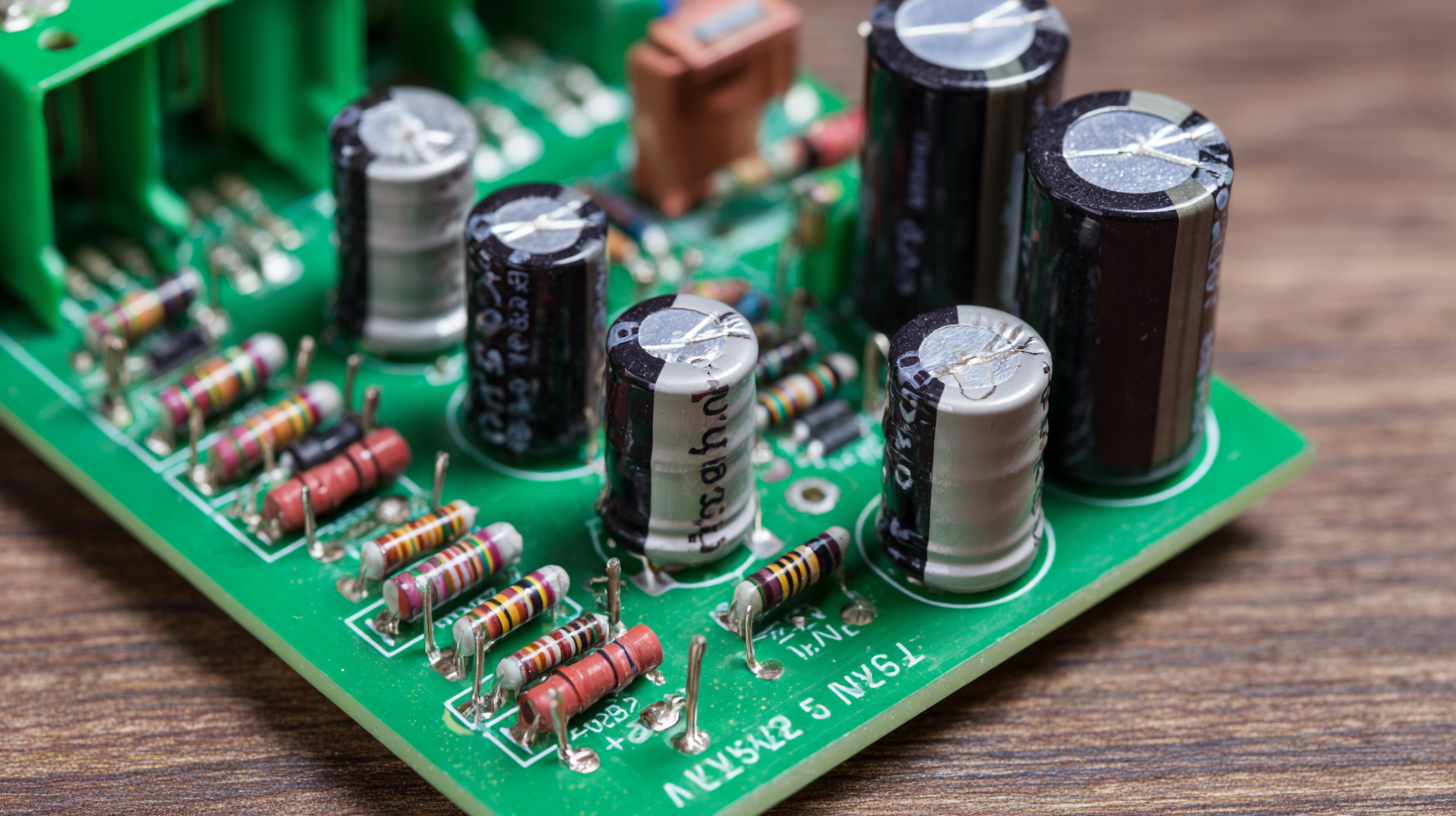 When you're choosing a voltage power supply for your electronics projects, it’s super important to think about efficiency and how well it handles heat. Basically, a good power supply is one that turns as much of the input power into usable output without wasting too much as heat—that's a big deal, especially if you're running things on batteries and want them to last longer. If your power supply is high-efficiency, it doesn’t just save energy; it also keeps your components cooler, which means they tend to last longer and work more reliably.
On the flip side, managing heat is super important to avoid overheating, which can seriously mess things up or damage your sensitive parts. It’s a smart move to pick a power supply that has good thermal features, like fans that kick in when it gets too hot or heat sinks designed to cool things down. Also, think about where you place the power supply inside your project box—making sure there’s enough airflow around it can do wonders for heat transfer. If you balance good efficiency with solid heat management, your project will run smoothly and stay safe. It’s all about giving your electronics a comfy, stable environment to do their thing!
Selecting the Right Power Supply Connector for Your Needs
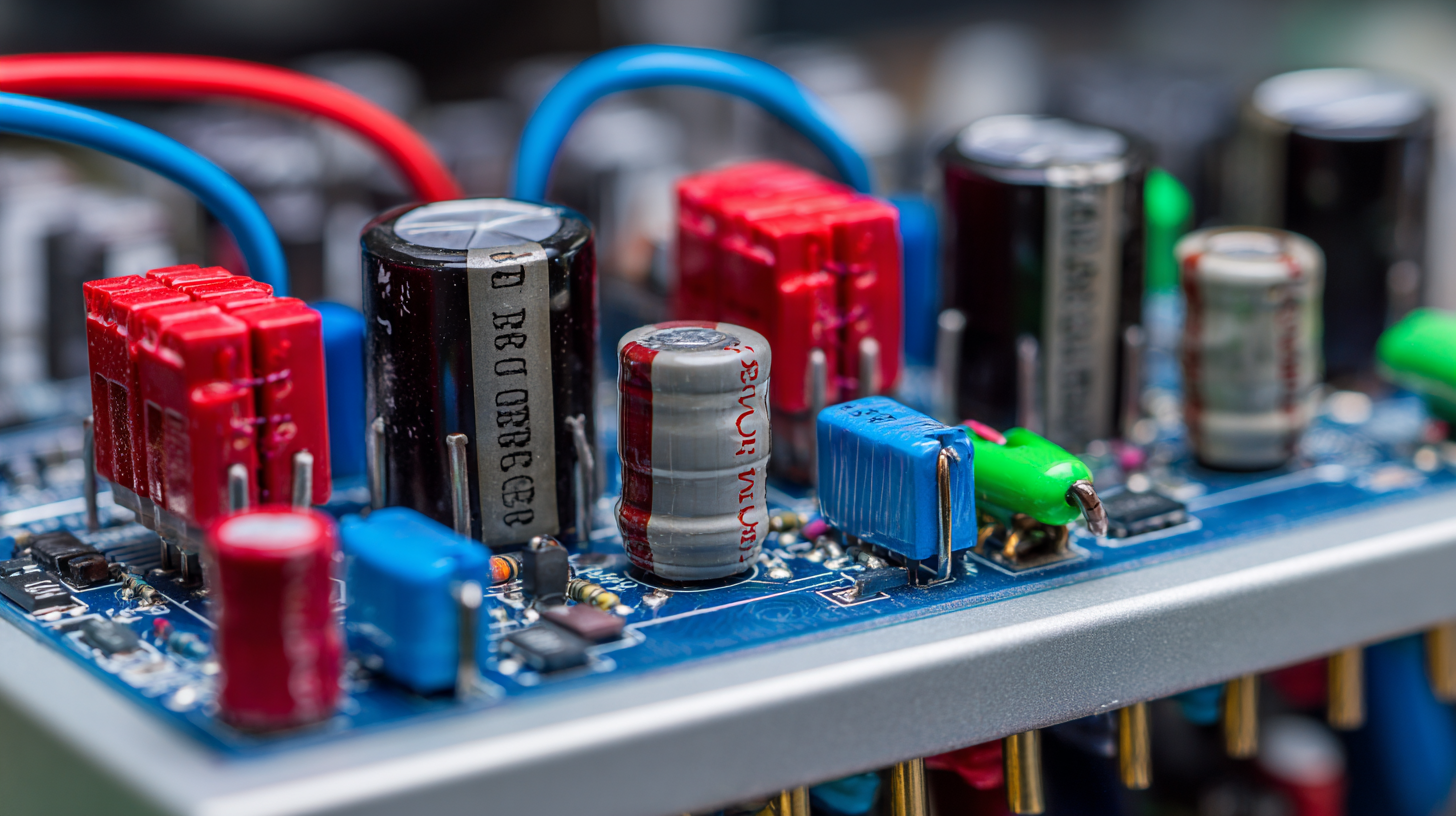
When you're picking out a power supply connector for your electronics projects, it's super important to think about compatibility, voltage, and current ratings. I’ve read that using the wrong connector can really mess things up—causing inefficiencies or even frying your device! For example, you'll want connectors that match the voltage your project needs—like 5V, 12V, or 24V are pretty common. High-quality connectors usually have gold-plated contacts, which help with better conductivity and last longer, especially if you're doing something high-performance.
Now, about plug adapters—if you’re planning to travel to Europe, making sure you choose the right one is a must. Otherwise, your devices might not work at all. There's been a big boost in demand for good plug adapters lately, since our gadgets keep getting more advanced. The latest models for 2025 are quite versatile—they can handle multiple plug types, which is awesome for tech lovers. Look for ones with built-in surge protection and USB ports, so you can charge a bunch of devices safely all at once. Trusted brands usually put their products through thorough testing and have tons of positive reviews, so they’re a pretty safe bet if you want reliable charging gear.
Overall, just take your time to pick the right stuff, and you’ll be good to go without any surprises!
Budgeting: Balancing Cost and Quality in Power Supply Choices
When you’re diving into electronics projects, figuring out your budget is pretty crucial. It can seriously influence both how much you spend and the quality of your power supply choices. It’s all about finding that sweet spot between keeping costs reasonable and getting good performance so your project runs smoothly—without draining your wallet. With so many options out there, picking the right power supply means understanding exactly what your project needs, and being mindful not to overspend on features you don’t really need.
Here’s a little tip: start by figuring out the voltage and current your electronics require. That way, you won’t waste money on overkill solutions—you’ll be able to narrow down the choices to what actually fits your project. Also, don’t just go for the cheapest option. It’s worth checking out reputable brands that strike a good balance between quality and price—sometimes those cheaper ones turn out to be a headache later on, with performance issues or worse, damaging your stuff.
Another move that helps a lot is digging into online reviews and community forums. Hobbyists and pros alike often share their real-world experiences with different power supplies, which can give you a much better idea of what works and what doesn’t. Spending a bit of time researching and budgeting for a decent quality power supply can make a huge difference—leading to more successful, enjoyable electronics projects in the end.
How to Choose the Right Voltage Power Supply for Your Electronics Projects - Budgeting: Balancing Cost and Quality in Power Supply Choices
| Voltage Range (V) |
Max Current (A) |
Power Rating (W) |
Cost ($) |
Quality Rating (1-5) |
| 5-12 |
2 |
24 |
15 |
4 |
| 9-15 |
3 |
45 |
25 |
5 |
| 12-24 |
5 |
120 |
40 |
3 |
| 24-48 |
10 |
480 |
75 |
2 |
| 48-60 |
6 |
360 |
100 |
4 |
“Leveraging the Latest Market Trends: Unveiling the TPA Series High Performance Power Controller for Enhanced Energy Efficiency and Performance”
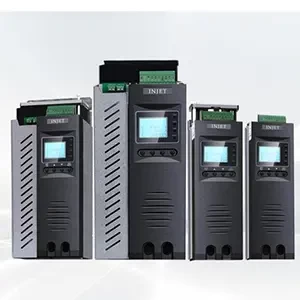
The TPA series high-performance power controller is set to revolutionize energy management across various industrial sectors. By leveraging the latest market trends, this innovative solution integrates high-resolution sampling with a cutting-edge DPS control core, ensuring exceptional precision and stability. As industries increasingly seek to optimize energy efficiency and enhance performance, the TPA series stands out by delivering reliable power control tailored to demanding applications.
This advanced power controller is particularly well-suited for diverse applications including industrial electric furnaces, mechanical equipment, glass manufacturing, crystal growth processes, and the automotive and chemical industries. With its robust design and superior control capabilities, the TPA series enables operators to maintain optimal performance levels while minimizing energy consumption. By adopting this state-of-the-art technology, businesses can not only comply with environmental standards but also achieve significant cost savings, ultimately making the TPA series a crucial asset for forward-thinking organizations striving for operational excellence.
FAQS
: You should consider the type of power supply (linear or switching), efficiency, heat dissipation, and whether the supply is regulated for stable voltage.
Linear power supplies are favored for their reliable output and simplicity, making them a good choice for many projects.
Switching power supplies are preferred for their higher efficiency and smaller size, making them ideal for compact applications.
An efficient power supply converts more input power into usable output power, minimizing energy loss and extending operating time in battery-powered applications.
Look for power supplies with thermal regulation features such as temperature-controlled fans or heat sinks, and ensure that there’s adequate airflow in the project housing.
Consider compatibility, voltage, current ratings, and the quality of the connectors, such as gold-plated contacts for better conductivity.
Common voltage ratings for power supply connectors include 5V, 12V, and 24V.
Choose plug adapters that cater to multiple formats, offer surge protection, and have USB ports for charging multiple devices safely.
High-quality connectors with features like gold-plated contacts ensure maximum conductivity and longevity, which is vital for high-performance applications.
Proper heat dissipation management prevents overheating that can damage sensitive electronic components, ensuring device reliability and longevity.
Conclusion
Picking the right power supply voltage for your electronics projects really matters if you want things to run smoothly and reliably. First off, make sure you know what voltage your components need—that's the main thing that’ll guide your choice. There are all sorts of power supplies out there, each with different voltage, current, and wattage ratings, so it’s pretty important to check these specs and pick one that fits your project like a glove.
Also, don’t forget about efficiency and heat—these might seem minor, but they actually impact how long your setup will last and how safe it is. Picking the right connector is just as crucial, and of course, you wanna find a good balance between cost and quality so you’re not overspending but still getting something reliable. With over 27 years under my belt working with power solutions, I can say that Sichuan Injet Electric Co., Ltd. is pretty solid when it comes to providing innovative, dependable voltage power supplies tailored to all kinds of needs. They really know what they’re doing!


 Who we are
 Discover Who we are
 Power Solutions
 Discover Power Solutions
 Media
Media
 Discover Media
 Services
 Discover Our Services
 Get in touch