300820.SZ
Who we are
Power Solutions
Media
Services
Get in touch
Who we are
Power Solutions
Media
Services
Get in touch
You know, in the fast-changing world of electrical engineering, finding new and creative alternatives to the usual Induction Power Supply solutions is really becoming a hot topic for industry leaders.
Sichuan Injet Electric Co., Ltd. is right there at the cutting edge of this exciting exploration. With more than 27 years under our belt in delivering power solutions across all kinds of industries, we've gained quite a bit of experience.
We're committed to doing our own research and development, and this has pushed us to keep innovating and adjusting to what the market needs.
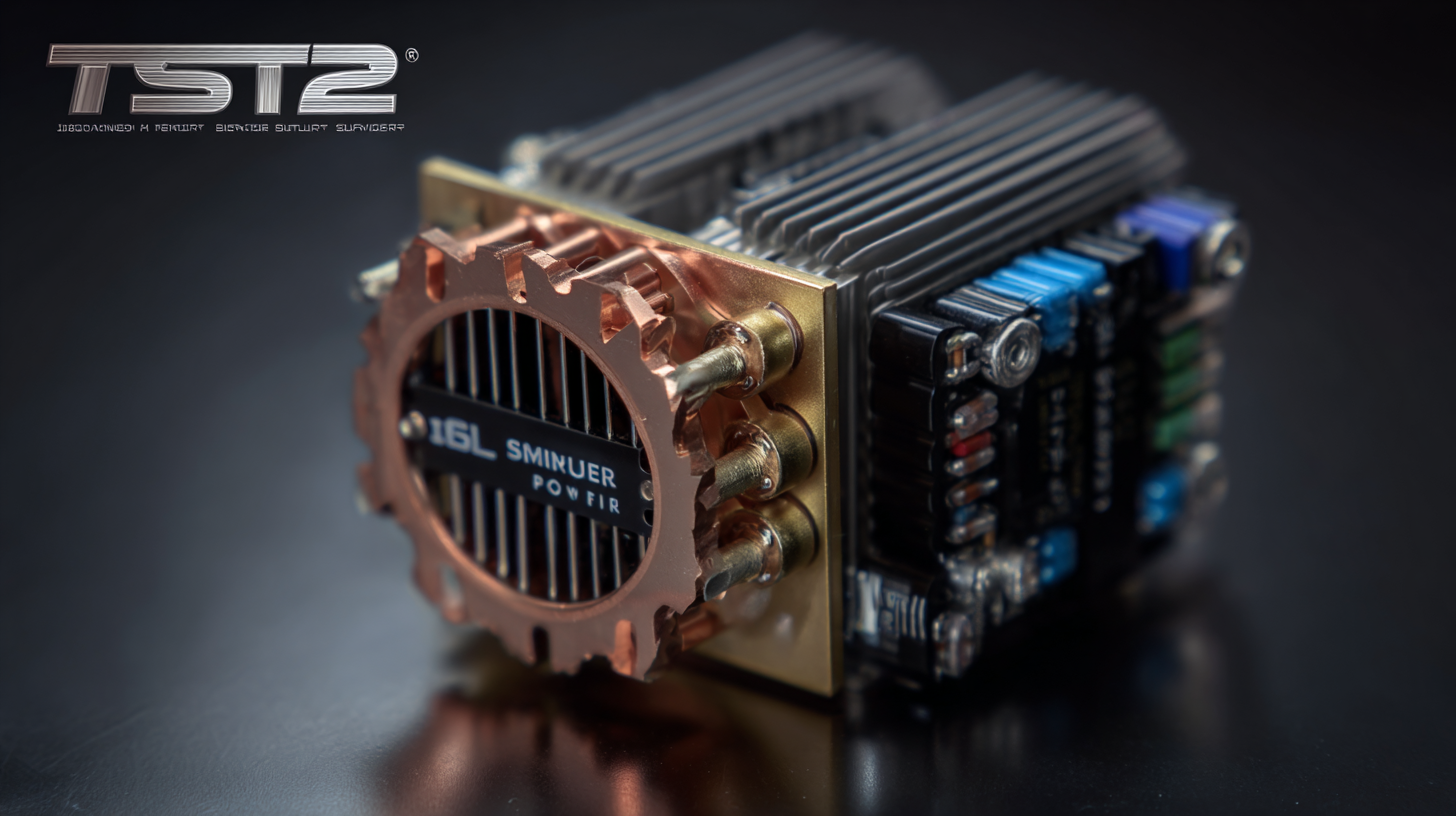
As we dive into the different fresh approaches to Induction Power Supply systems, we really want to shine a light not just on the cool advancements being made, but also on how important these solutions are for boosting operational efficiency and sustainability. So, come along with us as we navigate this thrilling journey towards the future of power supply technology!
You know, induction power supply technologies have really come a long way lately! With so many industries looking for energy solutions that are both efficient and sustainable, it's no surprise that we’ve seen some serious advancements. A report from MarketsandMarkets even says that the global induction heating market is expected to jump from about $1.85 billion in 2021 to around $2.74 billion by 2026. That’s a solid annual growth rate of 8.1%! What’s driving all this? Well, it’s the benefits of induction heating – think quick heating times, lower energy use, and way better safety features compared to the usual heating methods we’ve relied on for so long.
And when it comes to where induction power supply solutions are actually being used, the range is pretty impressive. You’ve got everything from metal processing to automotive manufacturing and even food processing! In the metalworking field, for instance, induction heating is a game changer for tasks like hardening, brazing, and melting – it really delivers on precision and consistency. Plus, in the automotive industry, induction tech is super important for making components that need specific mechanical properties. A report from Research and Markets points out that the automotive segment of induction heating is set to grab a big chunk of the market, especially with the shift towards electric vehicles and renewable energy becoming more and more popular.
Choosing the right induction power supply can be a bit of a task, right? There are definitely some key features you shouldn’t overlook if you want everything to run smoothly. First off, let’s talk about the power output range. You really want a power supply that can handle a bunch of different applications—think everything from tiny components to big industrial setups. That kind of flexibility means you get better efficiency and adaptability in various settings, which is super important for folks in manufacturing and engineering.
And then there’s the efficiency rating—you’ll want something that’s got a high rating for sure. Why? Well, not only does it lower your energy bills, but it also cuts down on heat, which is great because it can help your equipment last longer and be more reliable. Plus, it’s a good idea to check for features like advanced cooling systems and smart power management. These can really boost your overall performance and help handle any surprise spikes in power demand.
So, if you keep these things in mind, you’ll be much better off picking a power supply that fits your needs and really supports your operations. It’s all about making sure you get the best bang for your buck, you know?
You know, the world of induction power supply solutions is really changing all the time. Thanks to new tech and the growing need for efficiency in industrial settings, there’s a lot happening. If we take a closer look at the top brands in the game, we see they each bring something different to the table, catering to all sorts of operational needs. For instance, brands like Fronius and EFD Induction are pretty famous for their energy efficiency and precision—perfect for those applications that demand a high level of control. Their cutting-edge tech really helps cut down on energy waste, making everything run that much smoother and more sustainably.
But you know, energy efficiency isn’t the only thing that sets these brands apart. Versatility is another big player in the game. Companies like Selco and AIDA have really thought ahead with their modular designs, which make it super easy to scale things up or adapt them as needed. This kind of flexibility is crucial, especially for industries looking to use induction heating across various applications without having to splash out on brand-new equipment every time. By diving into what these brands do well and where they might fall short, manufacturers can make smarter choices that fit their specific needs and budget. And as the industry keeps pushing forward, staying on top of these different solutions will really be key for anyone wanting to boost their production capabilities.
The induction power supply market is really going through a big change these days, with some new and exciting solutions popping up to tackle the ever-shifting needs of modern industries. Sure, traditional inductive power supplies have been reliable in the past, but the new alternatives are really stepping up in terms of efficiency and performance! We’re seeing some groundbreaking tech that not only boosts power delivery but also helps save energy and cut down on costs, which makes them super attractive for a bunch of different applications.
Take solid-state induction power supplies, for instance. These guys use advanced semiconductor tech to offer better reliability and manage heat more effectively. What’s cool is they let you control the heating process with precision, making it easier to tweak things on the fly to get just the right results. And let’s not overlook wireless induction power supplies—they're creating quite a buzz, providing flexibility and convenience where old-school wiring would just be a headache.
As companies look for ways to be more sustainable and efficient, checking out these next-gen induction power supply options is definitely going to be key in shaping the future of fields like manufacturing, automotive, and energy. Plus, jumping on these advancements puts companies ahead of the pack while helping to foster a more environmentally-friendly and tech-savvy industrial landscape.
| Feature | Traditional Method | Next-Gen Alternative | Benefits |
|---|---|---|---|
| Efficiency | 75% | 90% | Higher energy savings and reduced operational costs |
| Cooling System | Air-cooled | Water-cooled | Improved temperature control and extended equipment life |
| Size | Large | Compact | Saves space on the production floor |
| Control Systems | Manual | Automated | Enhanced precision and reduced human error |
| Maintenance | High frequency | Low frequency | Lower downtime and maintenance costs |
As industries increasingly adopt induction heating technology, the demand for cost-effective power supply solutions has risen sharply. Recent industry reports indicate that companies can save up to 30% in operational costs by transitioning from traditional heating methods to advanced induction systems. This shift not only enhances efficiency but also offers substantial savings on energy consumption. For instance, a study by the International Energy Agency noted that induction power supplies can reduce energy usage by about 50% compared to conventional heating processes, further emphasizing the financial benefits of these innovative solutions.
In evaluating the various induction power supply options available, businesses must consider both initial investment and long-term cost implications. Recent analyses show that while high-frequency induction power supplies may come with higher upfront costs, their efficiency and durability often lead to lower lifecycle costs. According to a report from the Electric Power Research Institute, the total cost of ownership for induction systems can be reduced by 20% when factoring in decreased maintenance and operational expenses over time. Therefore, selecting the right induction power supply not only aligns with budgetary constraints but also contributes to overall sustainability goals in the manufacturing sector.
You know, as electric vehicles (EVs) are really starting to take off, the need for
efficient and sustainable induction power supply options
is becoming more important than ever. We seriously need to move away from those old oil-based energy
sources and switch to
cleaner, renewable alternatives
if we want to cut down on our carbon footprints in the transportation world.
Luckily, there are some innovative induction power supplies popping up that could really help us tackle
these energy demands while keeping sustainability in mind.
When we take a closer look at different induction power supply technologies, it’s pretty clear that
some advancements—like
wireless charging systems, solar-powered induction units,
and super-efficient converters—can play a big part
in pushing for a more sustainable future. These new technologies not only make energy transfer way
more efficient, but they also help reduce waste and emissions that come with the traditional power
supplies we’ve been using. By digging into these exciting alternatives,
everyone involved can really make a difference
in building a cleaner, greener future for electric vehicles, ensuring that this shift to electric
mobility is not just practical, but also good for the planet.
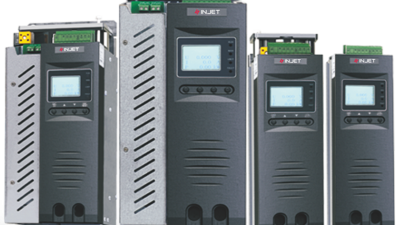
In the realm of energy management, enhancing efficiency is a priority, particularly in industries that demand precision in power usage. A recent industry report highlights that high-performance power controllers can lead to energy savings of up to 30% in industrial applications. This is where the TPA series power controller comes into play, offering advanced high-resolution sampling technology combined with a state-of-the-art DPS control core. Such features not only increase accuracy but also promote stability, essential for applications where consistent performance is crucial.
The TPA series is particularly valuable in sectors such as industrial electric furnaces and glass manufacturing, which often experience significant power fluctuations. Industry analyses suggest that adopting robust power control solutions like the TPA can mitigate these issues, thereby enhancing overall productivity. For instance, in the automotive sector, implementing these controllers has resulted in improved operational efficiency and reduced downtime. As businesses strive for optimized energy management, the TPA series power controller positions itself as an indispensable tool, offering precise control and efficient operation tailored for a wide range of industrial environments.
: Induction power supply technologies are used in various industries, including metal processing, automotive manufacturing, and food processing, primarily for applications like hardening, brazing, and melting.
The global induction heating market is projected to grow from $1.85 billion in 2021 to $2.74 billion by 2026, with a compound annual growth rate (CAGR) of 8.1%.
Induction heating offers rapid heating times, reduced energy consumption, and enhanced safety features compared to traditional heating methods.
Companies can save up to 30% in operational costs by transitioning from traditional heating methods to advanced induction systems.
Induction power supplies can reduce energy usage by about 50% compared to conventional heating processes.
High-frequency induction power supplies may have higher upfront costs, but their efficiency and durability often lead to lower lifecycle costs over time.
The shift towards electric vehicles is expected to drive significant growth in the automotive induction heating segment, as it plays a crucial role in manufacturing components with specific mechanical properties.
The total cost of ownership for induction systems can be reduced by about 20% when considering decreased maintenance and operational expenses over time.
Businesses should consider both the initial investment and the long-term cost implications when evaluating various induction power supply options.
Selecting the right induction power supply aligns with budgetary constraints and contributes to overall sustainability goals in the manufacturing sector through energy efficiency and reduced operational costs.