Inquiry
Form loading...
0%

As the EV market keeps growing, finding the right EV Box Charging Station that's just right for your needs is becoming more and more important. Industry folks often point out how crucial it is to pick a charger that not only suits your car but also fits your lifestyle. I mean, John Smith, who’s pretty much an expert in EV infrastructure, once said, “Choosing the right charging solution is key to making life easier and more efficient for EV owners.” His point just reminds us to consider things like where you’ll be charging, how fast it charges, and what that’s gonna cost you when you're making your choice.

With electric vehicles becoming more common, it’s super helpful to really understand what different charging systems can do. An ideal EV Box Charging Station should be reliable, simple to use, and help make charging hassle-free. As we take a closer look at what to think about when choosing your charger, we’ll go over the main factors that can make your EV experience smoother and more enjoyable—helping you find a setup that works for your day-to-day needs and personal vibe.

Top Guide to Finding the Best EV Box Charging Station for Your Needs

Understanding the Importance of Choosing the Right EV Charging Station

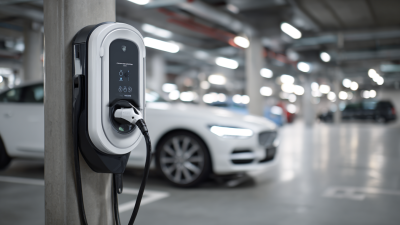
Choosing the right EV charging station is crucial for maximizing the efficiency and convenience of electric vehicle ownership. The varying capabilities of charging stations mean that not all options will suit every vehicle or user’s lifestyle. Understanding the power output, compatibility with your vehicle model, and the charging speed can greatly influence your experience. For instance, some stations may offer faster charging times which can be a huge advantage for drivers who are frequently on the move, while others might prioritize cost-effectiveness and accessibility.

Moreover, the location and installation of the charging station should be taken into account. It’s essential to choose a site that allows for easy access and convenience for daily charging needs, whether that's at home, work, or on-the-go. Additionally, future-proofing your decision by considering potential upgrades or expansions, such as adding more charging points or integrating smart technology, can ensure that the chosen EV charging station continues to meet your needs in an evolving landscape of electric vehicles. In essence, a thoughtful selection process not only enhances the charging experience but also contributes significantly to the overall satisfaction with electric vehicle ownership.

Top Guide to Finding the Best EV Box Charging Station for Your Needs

Understanding the Importance of Choosing the Right EV Charging Station

Types of EV Charging Stations: Level 1, Level 2, and DC Fast Charging

When selecting an EV charging station, understanding the different types available is crucial to meet your needs effectively. The three primary categories are Level 1, Level 2, and DC Fast Charging stations. Level 1 chargers typically use a standard 120-volt outlet, which makes them accessible and easy to install at home. However, they provide a slow charging speed, adding approximately 2 to 5 miles of range per hour. According to the U.S. Department of Energy, Level 1 charging is suited for those who drive short distances daily or have the luxury of overnight charging.

Level 2 chargers operate at 240 volts, which allows them to deliver a significantly faster charging speed—between 10 to 60 miles of range per hour. This makes them a preferred option for both home installations and commercial applications. A report from the International Energy Agency (IEA) states that the deployment of Level 2 charging stations has seen a substantial rise, with estimates indicating over 500,000 public and private charging points globally as of 2022. This growth reflects the increasing demand for faster charging options among EV users.

DC Fast Charging stations stand out as the most rapid charging solution, delivering up to 800 volts and enabling an EV to recharge 80% of its battery in as little as 30 minutes. These stations are often strategically located along highways and in urban areas to facilitate long-distance travel. According to a report by the Electric Vehicle Charging Association, the number of DC Fast Charging stations has surged, with projections suggesting that the global market for such infrastructure could exceed $20 billion by 2030. This evolution in charging technology is vital in addressing range anxiety and enhancing the overall EV ownership experience.

Key Features to Consider When Selecting an EV Box Charging Station

Top Guide to Finding the Best EV Box Charging Station for Your Needs

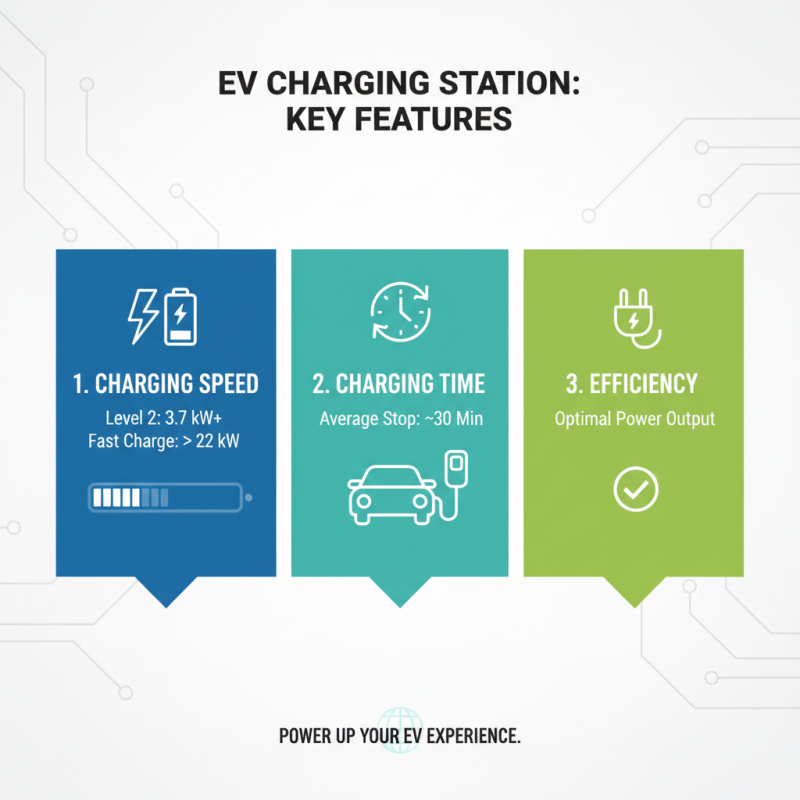
When selecting an EV box charging station, several key features must be considered to ensure it meets your specific requirements. First and foremost, the charging speed should be a priority. Most EV chargers on the market today provide a range of output, typically from 3.7 kW for Level 2 chargers to more than 22 kW, which allows for quicker charging times. According to the International Energy Agency, the average EV owner spends approximately 30 minutes at a charging station, highlighting the importance of investing in a unit that can deliver efficient power output for optimal turnaround.

Another critical aspect to evaluate is the station’s compatibility with various electric vehicle models. With the multitude of EV types available, from hybrid options to all-electric systems, a universal connector type can enhance the usability of the charging station. Studies show that around 24% of EV owners have faced compatibility issues with their charging stations, underscoring the importance of verifying that the model you choose works seamlessly with your vehicle. Additionally, features such as smart charging capabilities, which allow for demand response and energy management, are becoming increasingly relevant. Recent research from the EVBox Group indicates that smart charging can reduce operational costs by up to 40%, making it a powerful option for both residential and commercial users.

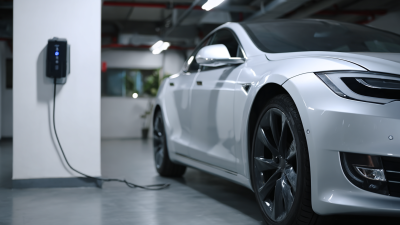
Lastly, consider the installation process and location options for your charging station. Whether you opt for a wall-mounted unit or a free-standing charger, the infrastructure should accommodate your space while adhering to local regulations. The U.S. Department of Energy points out that easy access to charging stations can significantly influence EV adoption rates, making placement considerations pivotal for maximizing convenience and usability. Thus, evaluating these key features will guide you in selecting the best EV box charging station tailored to your needs.

Analyzing Charging Speed and Compatibility with Your Electric Vehicle

When seeking the ideal EV box charging station, understanding charging speed and compatibility with your electric vehicle is paramount. The charging speed, typically measured in kilowatts (kW), can vary significantly among different stations. Level 1 chargers, which use a standard household outlet, deliver around 1.4 kW and are suitable for overnight charging. In contrast, Level 2 chargers, often found in public charging stations, deliver between 3.7 kW to 22 kW, making them a preferable choice for quicker charging times. According to the U.S. Department of Energy, a Level 2 charging station can charge an electric vehicle up to 20 miles of range per hour, highlighting its efficiency for daily use.

Compatibility is another essential aspect when choosing a charging station. Different electric vehicles support varying charging protocols, including J1772 and CCS. A report from the International Energy Agency (IEA) indicates that by 2021, approximately 80% of EVs sold in major markets were equipped to handle rapid charging, reflecting a growing trend toward faster, more versatile charging solutions. When selecting a charging station, it’s crucial to ensure it supports the charging standards of your specific vehicle model to avoid any inconvenience during charging sessions. This alignment not only guarantees optimal performance but also enhances the overall driving experience for EV owners.

Cost Factors and Incentives for Installing an EV Charging Station

When considering the installation of an EV charging station, it’s essential to evaluate various cost factors that can influence your overall investment. Initially, the price of charging stations can vary based on the type, features, and installation requirements. Basic Level 1 chargers may be less expensive but take longer to charge vehicles compared to Level 2 chargers, which generally require a higher upfront cost but offer faster charging capabilities. Additionally, you'll need to account for installation costs, which can fluctuate based on your location, electrical system upgrades, and whether a professional electrician is needed to ensure safe and compliant installation.

Furthermore, various incentives may be available to help offset costs. Many governments offer tax rebates or direct grants for EV charging station installation, encouraging the transition to electric vehicles and supporting environmental initiatives. These incentives can significantly reduce initial expenses, making it more feasible to install a charging station at home or in a business. Additionally, local utility companies may provide special rates or rebates for charging during off-peak hours, further enhancing the financial appeal of investing in an EV charging station. By carefully assessing these cost factors and exploring available incentives, you can make an informed decision that aligns with your needs and budget.

Safety Standards and Certifications for EV Charging Equipment

Top Guide to Finding the Best EV Box Charging Station for Your Needs

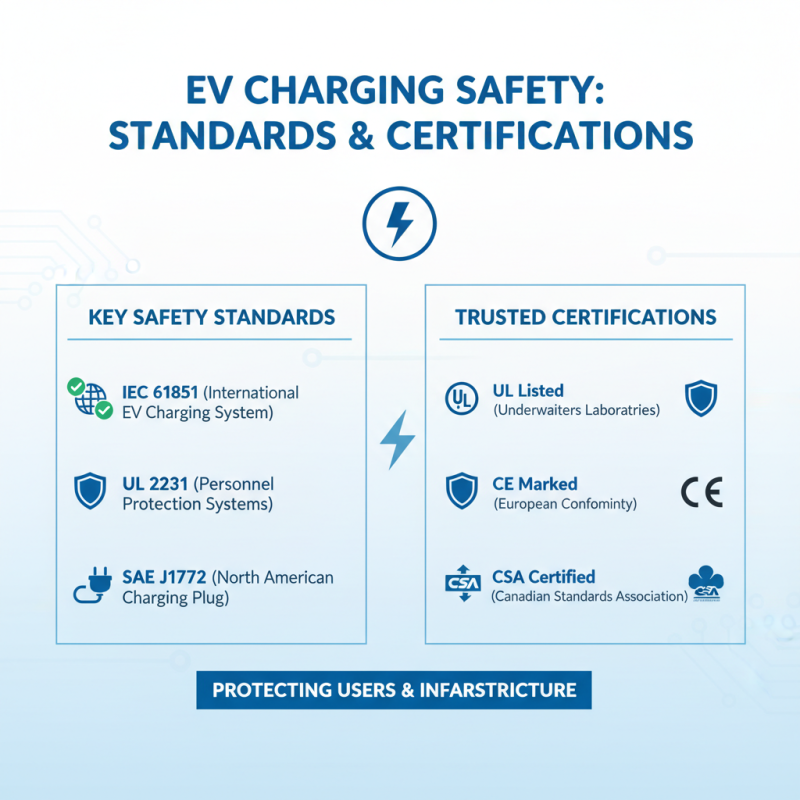
When considering the installation of an EV box charging station, understanding safety standards and certifications is paramount. EV charging equipment must adhere to stringent safety requirements to protect both users and the infrastructure. Various organizations set these standards, ensuring that the products are designed to prevent hazards such as electrical malfunctions, fire risks, and potential injuries. Equipment that meets these safety criteria typically displays certifications from recognized bodies, which can offer peace of mind to consumers.

In addition to safety, look for certifications that ensure the charging station is efficient and environmentally responsible. Standards such as UL, IEC, and CE signify that a product has undergone rigorous testing and is compliant with international safety protocols. It's crucial to verify these certifications when selecting a charging station, as they not only guarantee user safety but also promote sustainability in electric vehicle charging. By prioritizing safety standards and certifications, you can make an informed decision, ensuring that your EV box charging station meets both your practical needs and safety expectations.

Finding Reliable Installation and Maintenance Services for EV Chargers

When it comes to ensuring your electric vehicle (EV) charging station is both efficient and reliable, selecting the right installation and maintenance services is crucial. Begin your search by assessing local providers who specialize in EV charger installations. Look for companies with proven experience in the field, as they will possess the necessary skills to navigate the unique requirements of EV charger setup, including proper electrical work and ensuring compliance with local regulations. Requesting reviews and testimonials from previous customers can also provide insight into their reliability and quality of service.

Maintenance is just as important as installation, as regular check-ups can extend the lifespan of your EV charging station and help prevent costly repairs. Choose a service provider that offers comprehensive maintenance plans tailored to the specific needs of your charging equipment. Look for options that include routine inspections, software updates, and troubleshooting services. This proactive approach will not only enhance the performance of your charger but also give you peace of mind knowing that help is just a call away should any issues arise. By prioritizing reliable installation and maintenance services, you can ensure that your charging station remains efficient and user-friendly for years to come.

FAQS

: What are the different types of EV charging stations?

: The three primary types of EV charging stations are Level 1, Level 2, and DC Fast Charging. Level 1 chargers use a standard 120-volt outlet and provide slow charging speeds. Level 2 chargers operate at 240 volts, offering faster charging speeds. DC Fast Charging stations deliver the fastest charging solution, recharging up to 80% of an EV's battery in about 30 minutes.

How fast can Level 1 and Level 2 chargers charge an electric vehicle?

Level 1 chargers add approximately 2 to 5 miles of range per hour, while Level 2 chargers can provide between 10 to 60 miles of range per hour, depending on the charger’s power output.

What is the significance of DC Fast Charging stations?

DC Fast Charging stations are crucial for facilitating long-distance travel as they can recharge 80% of an EV's battery in as little as 30 minutes, making them ideal for drivers requiring quick turnarounds.

What features should I consider when selecting an EV charging station?

Key features to consider include charging speed (output range), compatibility with various electric vehicle models, smart charging capabilities, and the installation process for your charging station.

How can I ensure that my EV charging station is compatible with my vehicle?

It is important to verify that the charging station has a universal connector type that works with your vehicle model. Compatibility checks can prevent issues often faced by EV owners.

Why is smart charging important in EV charging stations?

Smart charging allows for demand response and energy management, which can significantly reduce operational costs by up to 40%. This feature is beneficial for both residential and commercial users.

What safety standards should EV charging equipment meet?

EV charging equipment should adhere to stringent safety standards and display certifications from recognized bodies to prevent electrical malfunctions, fire risks, and ensure user safety.

What are some common certifications for EV charging stations?

Common certifications include UL, IEC, and CE, which signify that the product meets international safety protocols and has undergone rigorous testing for efficiency and safety.

How does the installation location of an EV charging station affect its usability?

The installation location is critical for maximizing convenience and usability since easy access to charging stations significantly influences EV adoption rates.

How much time do average EV owners spend at charging stations?

On average, EV owners spend approximately 30 minutes at a charging station, highlighting the importance of investing in a charger that provides efficient power output for optimal turnaround.

Conclusion

Choosing the right EV Box Charging Station is essential for optimizing your electric vehicle (EV) charging experience. Understanding the different types of charging stations, such as Level 1, Level 2, and DC Fast Charging, helps you determine which one best meets your needs. When selecting an EV Box Charging Station, key features like charging speed, compatibility with your vehicle, and safety standards must be considered to ensure reliable and efficient charging.

Additionally, cost factors and available incentives for installing an EV charging station can significantly impact your decision. It's also crucial to find trustworthy installation and maintenance services to keep your charging station in optimal condition. By carefully evaluating these various aspects, you can secure an EV Box Charging Station that aligns with your lifestyle and supports your EV journey effectively.

Mia

Mia

Mia is a dedicated marketing professional at Sichuan Yingjie Huanyu International Trade Co., Ltd., where she leverages her extensive expertise to enhance the company’s visibility and outreach. With a profound understanding of the trade industry, Mia specializes in articulating the unique advantages......
Previous Comprehensive Insights into Scr Power Controller for Global Buyers