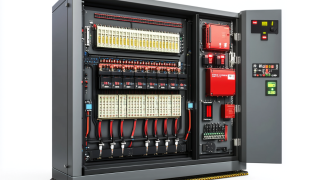
You know, in today's world, where keeping things running smoothly is the name of the game, it's fascinating how far temperature regulation tech has come. A recent report from MarketsandMarkets shows that the global temperature controller market is expected to jump from $2.1 billion in 2020 to around $3.0 billion by 2025. That's a pretty solid indicator that folks are really craving accurate temperature control. Among the bunch of controllers out there, the SCR Temperature Controller really takes the cake. It offers this amazing precision and quick response, which is a total game changer for boosting production in various industries.
Now, let’s talk about Sichuan Injet Electric Co., Ltd. With more than 27 years in the game, we’ve been right there leading this tech evolution. Our passion for independent research and development, along with a commitment to innovation, drives us to create top-of-the-line SCR Temperature Controllers that fit a wide range of industrial needs. By tapping into the latest technologies and insights from our industry, Injet is all set to shake things up, helping businesses ramp up their efficiency and meet their operational goals with our advanced temperature control solutions.
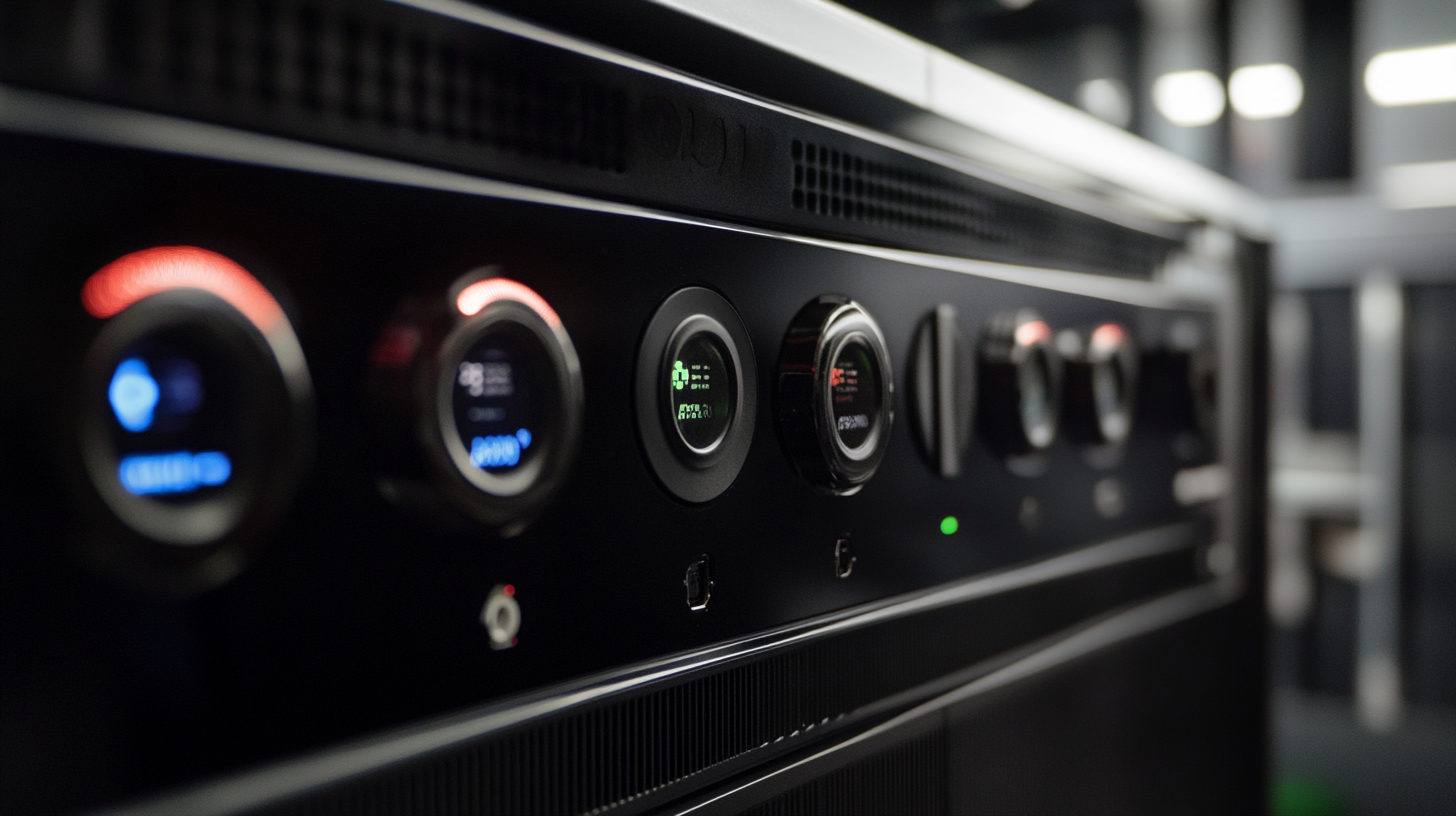
Understanding the Role of SCR Temperature Controllers in Modern Industries
In today’s industries, keeping an eye on temperature is super important for boosting productivity and making sure product quality stays top-notch. That’s where SCR (Silicon Controlled Rectifier) temperature controllers come into play. These bad boys really help achieve precise temperature regulation across different fields—from chemical processing to manufacturing. Thanks to some pretty advanced semiconductor tech, these controllers deliver great performance and efficiency, making them a key player in the industrial scene.
You can really see the importance of SCR temperature controllers, especially when it comes to innovating materials and developing new equipment. Industries are always evolving, and that means there’s a growing need for smarter temperature control systems. The upcoming Open Day event is all about highlighting how cutting-edge equipment can drive material innovation. The phrase “一代材料、一代装备” sums it up perfectly—it’s all about the relationship between materials and the tools we use to process them. You can really see how innovative temperature controllers can lead to breakthroughs in material science.
Now, in this fast-paced tech world, bringing SCR temperature controllers into industrial processes not only makes things run smoother but also helps with sustainability efforts. By optimizing energy use and cutting down waste, these systems play a big part in creating more sustainable operations. As companies work hard to stay resilient and adaptable in this constantly changing market, embracing new temperature control solutions will definitely be key to keeping a competitive edge.
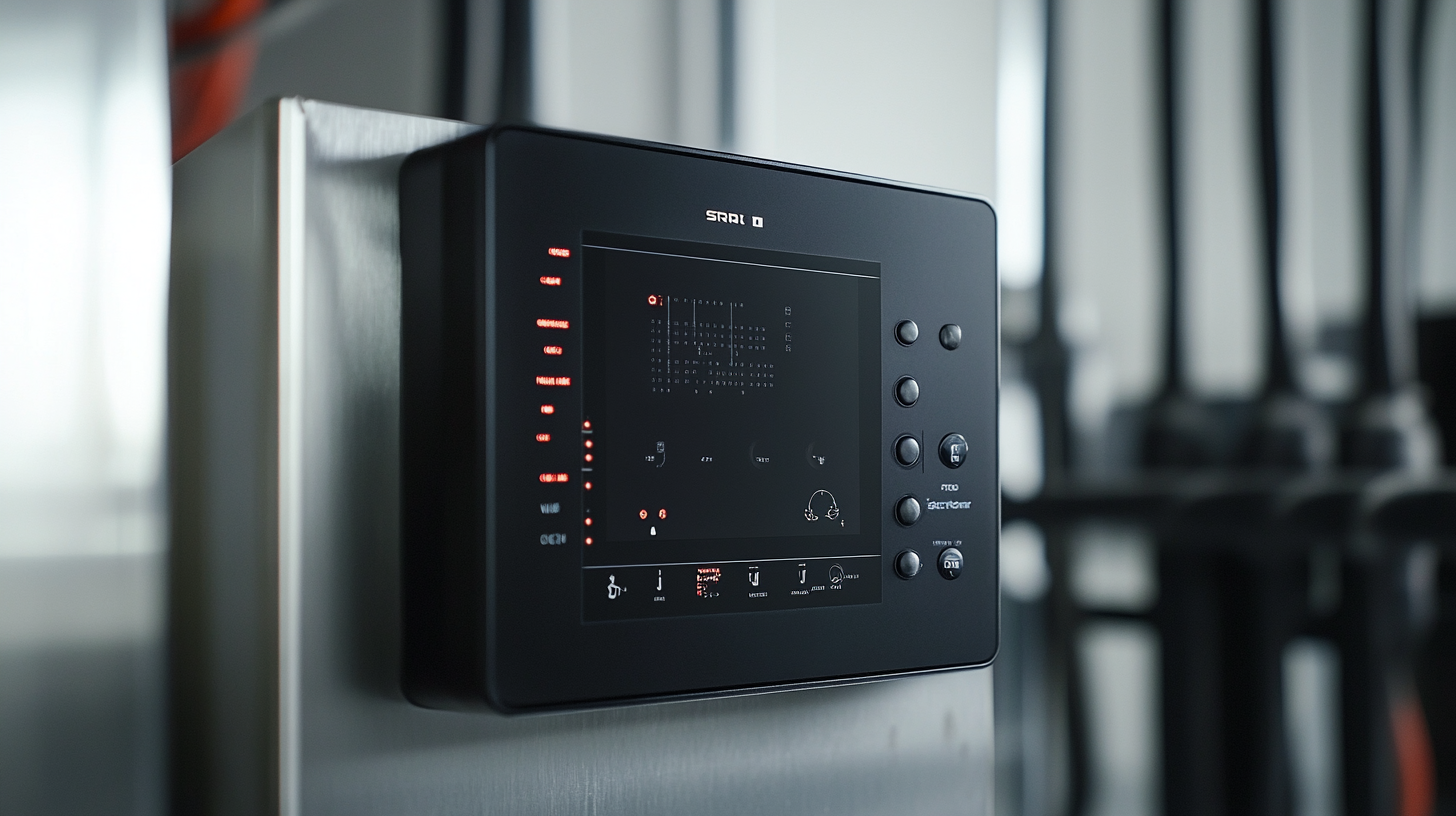
Advancements in Temperature Control Technology: What’s New?
You know, there’s been a lot of exciting stuff happening lately with temperature control technology, and it's really shaking things up across different industries. A big part of this is the new temperature controllers that are seriously boosting performance in processes like rubber mixing. I read this interesting article the other day about breakthroughs in high-temperature measurement tech, and it really emphasized how vital it is to keep a close eye on temperature variables. For example, using solid thermometric solutions can cut down on production downtime and really up the quality of what you’re making. Some studies even suggest you could boost efficiency by as much as 25%! How cool is that?
On the smart tech front, we’re seeing things like smart thermostats and advanced telematics changing the game in industrial practices. Industry data shows that the global smart thermostat market could grow at a whopping 26.8% from 2021 to 2028, which just goes to show how important it is to weave smart control systems into things like HVAC applications. These systems not only give you real-time data but also help with predictive maintenance, which is great for cutting down on energy use and keeping operational costs in check.
And let’s not overlook how tech and teamwork in industries like rubber mixing are really setting the bar high for innovation. By teaming up and using cutting-edge technologies, manufacturers are making big strides in optimizing their mixing processes. This exciting collaboration between tech and industry is paving the way for more sustainable practices, which is awesome because it shows a genuine commitment to being efficient while caring for the environment. As we look ahead, you can bet that the ongoing evolution of temperature control technologies will play a crucial role in boosting operational capabilities across the board.
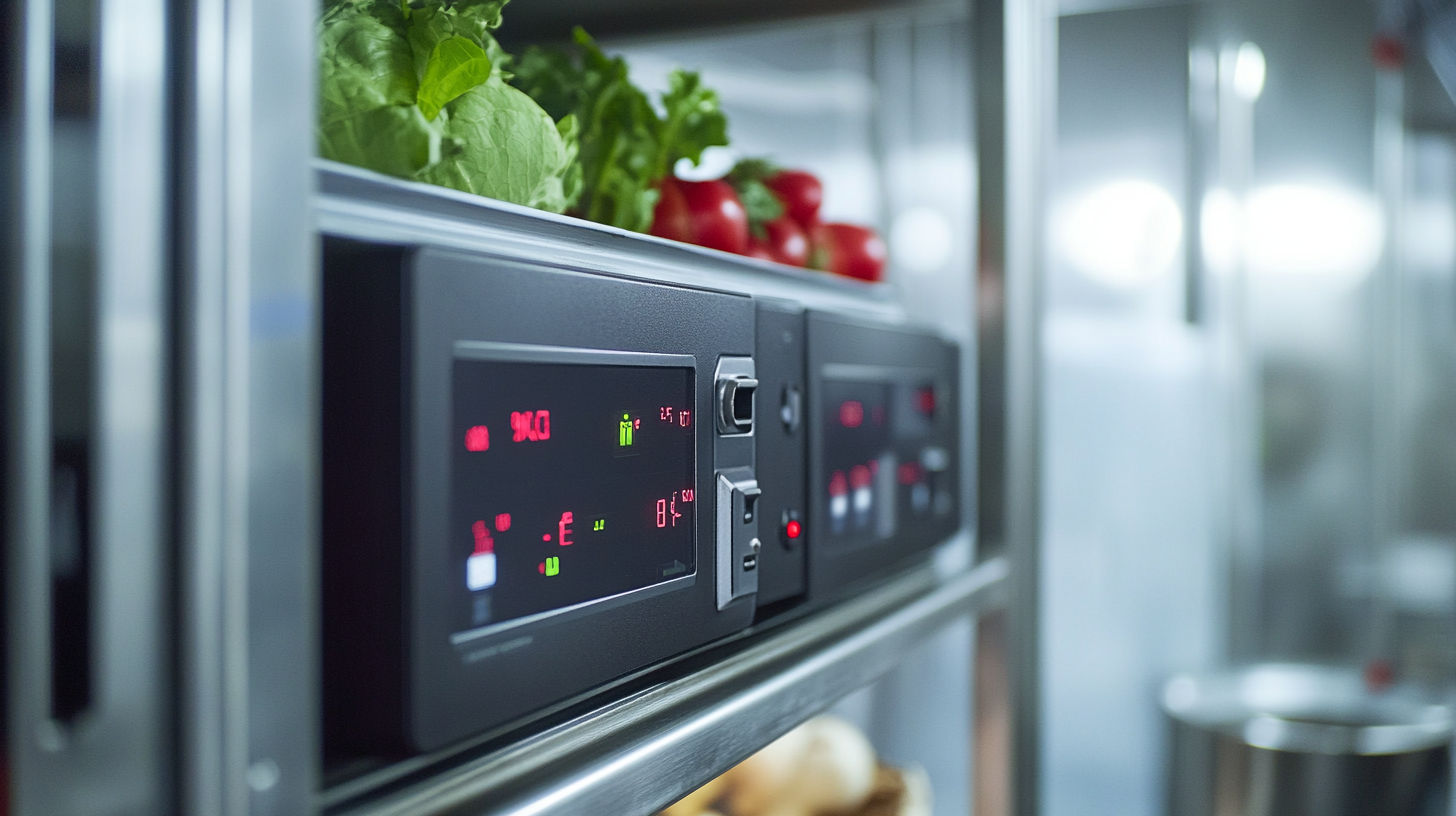
The Importance of Precision in Temperature Regulation for Industrial Processes
You know, in today's super fast-paced industrial world, getting temperature regulation spot on isn’t just a nice-to-have; it's absolutely essential. The little details in how we control temperature can really make or break product quality, energy efficiency, and the overall effectiveness of operations. That's where these cutting-edge SCR (Silicon Controlled Rectifier) temperature controllers come into play. They’re like the superheroes of the industry, giving companies the tools they need to keep thermal conditions just right in all sorts of processes.
One of the coolest things about these advanced controllers is how they can maintain perfectly consistent temperatures with incredible accuracy. If temperatures fluctuate even a bit, it can lead to all sorts of issues—think defects in product quality, wasted energy, and those dreaded unexpected downtimes. By using SCR technology, industries can fine-tune their heating and cooling systems to keep those annoying temperature variations in check. This level of precision is super important in places like pharmaceuticals and food processing, where even a tiny deviation could mess with safety and regulations.
And it gets even better! SCR temperature controllers come with enhanced data monitoring features that allow for real-time tweaks and predictive maintenance. So, if there's a potential issue brewing, it can be caught early, before it turns into a costly headache. The smart tech in these controllers creates a kind of feedback loop; data from the production environment helps make adjustments on the fly, driving ongoing improvements. As companies focus more and more on being efficient, precision temperature control is becoming key to optimizing processes and ramping up productivity.
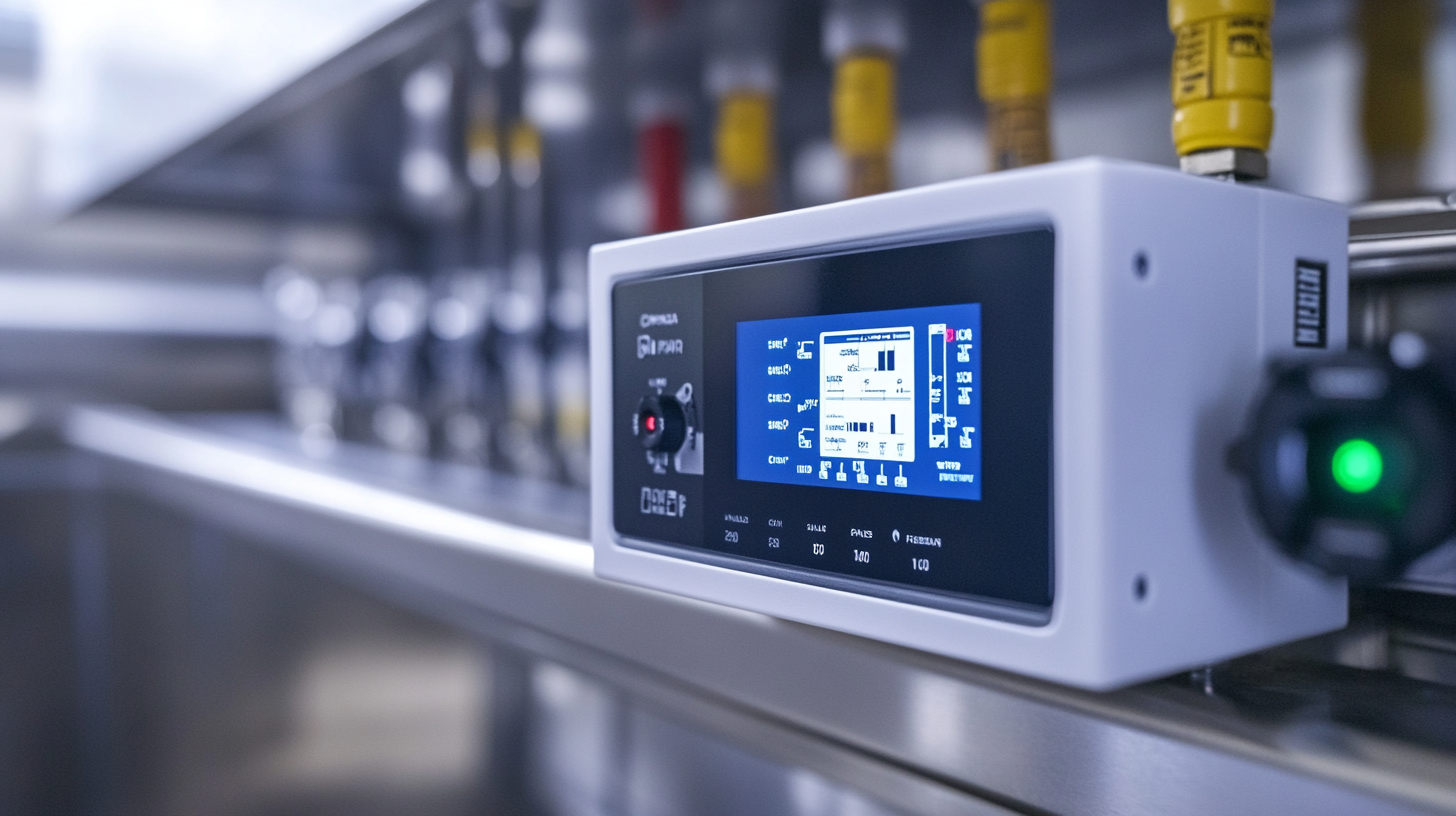
How SCR Technology Enhances Energy Efficiency in Manufacturing
You know, the manufacturing world has come a long way when it comes to energy efficiency. A big part of this shift is thanks to Silicon Controlled Rectifier, or SCR, technology. There’s this report from the Department of Energy that says using SCR temperature controllers can slash energy consumption by as much as 30% in industrial heating processes. That’s huge! Not only does it help meet those global sustainability goals we all hear about, but it also cuts down on costs for manufacturers. By keeping temperature control spot-on in things like injection molding and metal treatment, SCR tech really boosts product quality while saving energy at the same time.
And it doesn’t stop there. SCR technology brings a whole new level of reliability and flexibility for handling electrical loads, which is super important in high-demand manufacturing environments. I came across this study from the International Energy Agency that points out how smart energy systems—including SCR controllers—can actually decrease peak load demand by 15%. That’s a win-win! It means lower energy bills and less strain on our electrical grids, which ultimately makes manufacturing more efficient overall.
On top of that, companies that jump on board with SCR temperature controllers often see their maintenance costs drop too, mainly because there are fewer moving parts compared to traditional controllers. According to Frost & Sullivan, these businesses can save about 20% on maintenance. That’s money that can be redirected toward other innovative projects, and it also means more uptime and greater productivity on the shop floor.
Case Studies: Real-World Applications of SCR Temperature Controllers
You know, temperature control plays a huge role in so many industrial processes, and let me tell you, SCR (Silicon Controlled Rectifier) temperature controllers are really leading the charge in this area. These clever gadgets have completely changed the game when it comes to how industries manage temperature, making things a lot more efficient and precise than ever before. If you look around, you’ll find tons of examples showing just how impactful SCR temperature controllers are across different sectors, from manufacturing right down to food processing.
Take manufacturing, for instance. SCR temperature controllers are super common in injection molding processes. They keep the temperature just right, which means the materials stay consistent and there’s a lot less waste. I read about a case study from a big automotive parts manufacturer that showed a major drop in production costs and defects once they started using SCR tech. Thanks to real-time temperature tweaks, manufacturers are able to boost their processes and significantly improve the quality of what they produce.
And then there's the food processing industry, where keeping the right temperatures is beyond essential for safety and quality. A well-known dairy producer switched to SCR temperature controllers in their pasteurization processes, and the results were pretty impressive! They ended up with better product quality and even improved energy efficiency because the controllers kept temperature swings to a minimum. This not only helped them meet health regulations but also made a big dent in their carbon footprint, showing how SCR tech can promote more sustainable practices in industry.
Challenges Faced in Implementing SCR Controllers and How to Overcome Them
So, you know, using SCR temperature controllers can be a bit of a challenge for industries. It’s like, they really need to figure out how to make the most of all the efficiency they can get. One big hurdle? Integrating these new SCR systems into what they already have. Often, that means some serious retrofitting and, yeah, a bit of downtime too. I remember reading about a refinery expansion project where they actually used urea-based SCR systems along with some temporary boiler equipment just to keep the steam coming for processes. This clever move not only took care of immediate needs but also highlighted how important it is to transition smoothly to newer tech. It really proved that with some thoughtful planning, you can dodge a lot of the disruptions that could pop up.
And then there’s the whole issue of having skilled folks to manage and maintain those SCR controllers. As industries keep adopting these fancy technologies, the demand for training and qualified technicians is definitely going to rise. It’s really interesting—data shows that if companies invest in developing their workforce, they can actually put together a much stronger implementation strategy. Manufacturers facing lean transformation trickiness have figured out that building a culture of continuous improvement and having strong technical skills is key for pulling off successful tech integrations.
Last but not least, keeping an eye on some of the reliability issues that can come with SCR technology is super important. Having effective monitoring systems and being proactive with maintenance schedules can really cut down on downtime and help ensure everything’s running at its best. Industries that take a holistic approach—focusing on training, planning, and integrating new tech—tend to navigate the challenges of putting in SCR controllers way better and boost their operational efficiency in the process.
Future Trends in Temperature Control Solutions and Industry Impacts
You know, temperature control solutions are really making some big strides lately, especially in the cold chain packaging world. As businesses keep growing, there’s a rising need for dependable temperature-controlled logistics, particularly in areas like refrigerated transport and those cold storage warehouses. The market looks set for steady growth, fueled by the increasing number of perishable goods and the uptick in global trade. It’s clear that innovative temperature management tech is more important than ever.
Looking ahead, we’re seeing some interesting trends, like how the temperature control market is being divided by specific factors such as temperature range and product types. Take freezing solutions, for example; they’re in high demand right now, with products like EPS and PUR containers leading the charge. Plus, with cutting-edge tech like the Internet of Things (IoT) and automation coming into play, companies are ready to step up their game, cutting down on energy use and boosting the overall effectiveness of their temperature controllers.
And it's not just about meeting regulatory standards—people are becoming more health-conscious, which makes having effective temperature control even more crucial. This shift is not only enhancing the market share of temperature control solutions but is also changing how industries operate. We’re starting to see more sustainable practices and innovative solutions that really meet the growing demands of today’s economy.
Comparative Analysis: SCR Temperature Controllers vs. Traditional Methods
You know, when it comes to making industries run smoother, SCR temperature controllers are really standing out as a great alternative to the old-school temperature regulation methods. Those traditional systems? They usually depend on pretty basic mechanical controls, which definitely struggle to keep those ideal temperature settings when things start to change operationally. But with SCR, or Silicon Controlled Rectifiers, we've got advanced electronic tech that adjusts temperatures on the fly. This means we can boost efficiency in processes and really up the quality of products.
Comparing these two options really shines a light on the downsides of conventional temperature control, especially in areas like municipal solid waste (MSW) management and shipping. Take urbanization, for example—it's cranking up MSW production. So, traditional incinerators aren’t just struggling; they’re also cranking out tons of nitrogen oxide (NOx) emissions. But here’s where SCR tech comes in: it optimizes the incineration process, dialing in the right temperature and cutting down those pesky emissions. So not only do you get better temperature control, but it’s also a win for the environment.
And when we talk about shipping, there's this huge shift towards alternative fuels, which means we really need to keep temperature management on point for everything to run smoothly. SCR temperature controllers are super adaptable, which makes monitoring and adjusting how ships operate with different fuel types way easier. This flexibility is huge for staying up to speed with changing environmental rules while still getting the most out of fuel. It’s clear that integrating SCR technology across different industries is a game-changer, opening doors for practices that are both efficient and way more sustainable.
FAQS
Precision in temperature regulation is crucial because it significantly affects product quality, energy efficiency, and overall operational effectiveness. Fluctuations in temperature can lead to defects, inefficiencies, and unexpected downtimes.
Innovative SCR (Silicon Controlled Rectifier) temperature controllers are leading this advancement, providing industries with the capability to maintain optimal thermal conditions.
SCR temperature controllers improve data monitoring capabilities by allowing for real-time adjustments and enabling predictive maintenance, which helps identify potential issues before they become costly problems.
In manufacturing, SCR temperature controllers ensure accurate temperature regulation, which leads to consistent material properties and a significant reduction in production costs and defects, as demonstrated in case studies.
In food processing, SCR temperature controllers help maintain specific temperatures for safety and quality, resulting in more consistent product quality, improved energy efficiency, and compliance with health regulations.
Emerging trends include advancements in temperature-controlled logistics, increased demand for freezing solutions, and the integration of IoT and automation to optimize operations and improve energy consumption.
The growth of the cold chain packaging market is driven by the rising demand for refrigerated transport and cold storage due to an increase in perishable goods and global trade.
Industries are adjusting to regulatory standards by investing in effective temperature control solutions, which is reshaping industry dynamics and promoting sustainable practices.
SCR technology assists in achieving sustainability by minimizing temperature fluctuations, which can lead to reduced energy consumption and a lower carbon footprint in industrial processes.
As consumers become more health-conscious and regulations evolve, effective temperature control is essential for ensuring product safety and quality, driving demand for innovative temperature management technologies.


 Who we are
 Discover Who we are
 Power Solutions
 Discover Power Solutions
 Media
Media
 Discover Media
 Services
 Discover Our Services
 Get in touch