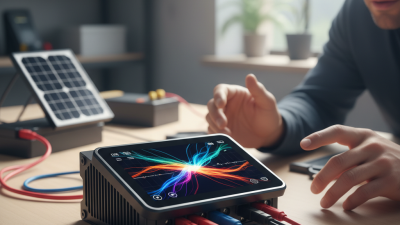
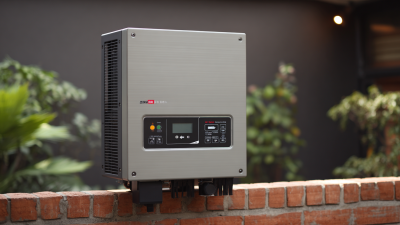
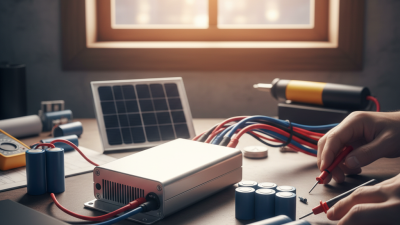
Lately, there's been a real boom in demand for renewable energy solutions all around the world. One key piece in solar power setups is the Lithium Solar Controller. It’s crucial because it helps make sure your energy is used efficiently. I remember what Dr. Emily Carter from Solar Solutions Inc. once said—she’s kind of a pro in renewable tech—she mentioned, "Getting the right Lithium Solar Controller can really boost how well your solar batteries perform and how long they last." It’s pretty true; choosing the right controller can make a big difference.
That said, shopping around for these controllers can be pretty overwhelming. There are so many options out there, with all kinds of specs, and it’s easy to get lost trying to find the best one. But the right pick really can improve your energy storage and overall experience with your solar system. So, it's super important to know what to look for—like how quickly it charges and whether it works with different kinds of batteries.
A lot of folks tend to overlook how important reliability is or don’t pay much attention to what experts recommend. Good Lithium Solar Controllers shouldn’t just be efficient—they should also support a sustainable future. Being aware of these things can really help when you’re making a decision. Sometimes looking back on your past experiences, both the wins and the mistakes, can give you a leg up when picking out a controller. In the end, it’s all about making smarter, more informed choices.

Understanding Lithium Solar Controllers: An Overview
Lithium solar controllers play a crucial role in managing the charging process of lithium batteries. These devices ensure optimal battery performance and longevity by regulating the energy flow from solar panels. Understanding their functionality is essential for anyone looking to implement solar technology effectively.
A key feature of these controllers is the ability to adapt to various weather conditions and battery states. They help maintain battery health by preventing overcharging and deep discharging. This intelligent management can increase the lifespan of the batteries, which is particularly important in the case of large-scale solar setups. Buyers should consider how these features apply to their specific needs.
The market is flooded with options, particularly with products emerging from regions like China. While many offer advanced features, not all guarantee quality. Potential buyers must do their research. Look for feedback and ratings from previous users. Reflect on your unique requirements and goals for solar energy use. This approach leads to better decisions in selecting a reliable lithium solar controller.
Key Features of Lithium Solar Controllers to Consider
When buying a lithium solar controller, key features can significantly impact performance. Efficiency is crucial. Look for controllers with high conversion rates. This ensures that more energy from solar panels reaches your batteries. A controller with a higher maximum voltage also allows compatibility with various solar panel systems.
Battery management features are another important consideration. A good controller should offer protection functions. These include overcharge, deep discharge, and short circuit protection. Such features extend battery life and enhance safety. Moreover, check if the controller has temperature compensation. This adjusts charging based on battery temperature, promoting optimal performance under varying conditions.
Tips: Always read user reviews before making a decision. Real-world feedback provides insights into reliability. Additionally, ensure that the controller's warranty is solid. A longer warranty indicates confidence in the product. Performance often varies under real use, so do your research thoroughly.
Top Brands and Models of Lithium Solar Controllers in 2026
When choosing a lithium solar controller, buyers should consider top brands and models available in 2026. Several reputable manufacturers focus on performance and reliability. These brands continuously innovate, providing enhanced features. A well-selected controller can significantly improve solar energy efficiency.
Many models now come with advanced monitoring capabilities. Features like mobile app integration allow users to track energy production in real-time. This accessibility improves how you manage energy consumption. Buyers often appreciate custom options tailored to their specific needs. A Custom Lithium Solar Controller can be particularly beneficial for unique setups or systems.
While some controllers offer great value, others may lack essential features. It’s important to research and compare options thoroughly. User reviews can offer insights, but opinions vary widely. Not all experiences will match your own. Make a choice that fits not just the technology, but also your lifestyle.
Comparative Analysis: Lithium Solar Controllers vs. Traditional Controllers
When considering solar controllers, lithium solar controllers present unique advantages over traditional options. Lithium solar controllers are designed specifically to optimize performance for lithium batteries. They efficiently manage charging and discharging, enhancing battery life. Meanwhile, traditional controllers often struggle with various battery types. Their performance may fall short in maximizing energy usage.
One cannot ignore some drawbacks of lithium solar controllers. They can be more expensive initially. For users on a tight budget, this could be a roadblock. However, the long-term savings on energy and battery replacements may outweigh the upfront cost. In contrast, traditional controllers might be cheaper but may not offer the same level of efficiency and lifespan benefits.
Selecting a Wholesale Lithium Solar Controller requires careful consideration of your system's needs. Analyze your energy consumption patterns. Understanding these patterns can guide you in making an informed decision. Remember, an informed choice can lead to better energy management and cost efficiency in the long run.
Factors Influencing the Price of Lithium Solar Controllers
When considering the price of lithium solar controllers, several key factors come into play. The demand for renewable energy has spurred interest in
High-Quality Lithium Solar Controllers, pushing prices higher. Buyers must understand market trends, as fluctuations in battery technology can significantly impact costs. Higher efficiency means better performance, but it often comes with a steeper price tag.
Manufacturing quality also influences the price. Controllers made with superior materials and advanced technology tend to be more reliable. However, this doesn't guarantee that they will meet every user’s needs. Reputable manufacturers invest in research and development, ultimately affecting the price. Some innovative features may be unnecessary for average users, leading to potential overspending.
Durability plays a critical role too. A controller designed for extreme conditions may cost more upfront but could save money long-term with less frequent replacements. Buyers might overlook the importance of
warranty and customer support in price considerations. While it may be tempting to choose the lowest option, the importance of reliability should never be undervalued in your purchase decisions. Prioritizing quality and support can lead to better investments in the long run.
Installation and Maintenance Tips for Lithium Solar Controllers
When installing a lithium solar controller, attention to detail is essential.
Proper installation ensures optimal performance and longevity. A recent study indicated that incorrect wiring can
lead to a 15% drop in efficiency. Make sure to follow manufacturer guidelines closely.
Check all connections and ensure they are secure. Loose connections can cause overheating and damage.
Regular maintenance is key for preserving your system’s functionality.
Cleaning dust from the solar panels regularly can improve energy absorption significantly.
Make a habit of checking system performance monthly. Look out for any anomalies that might indicate a problem.
Neglecting small issues can lead to larger, costly failures down the road.
Tips:
Always use gloves while handling electrical components. This can minimize the risk of short circuits.
Use voltage testers before touching wires; safety first!
Document your maintenance routine to identify patterns in performance over time.
Inconsistent records can hinder troubleshooting and lead to unnecessary expenses.
Future Trends in Lithium Solar Technology and Market Insights
The lithium solar market is evolving rapidly. In recent years, the global demand for lithium-ion solar controllers has surged due to advancements in technology. According to a report from Research and Markets, the lithium-ion battery market is projected to grow at a CAGR of 15.8% from 2021 to 2028. This indicates strong future demand for lithium solar technologies.
Current trends highlight increasing efficiency and lower costs. Innovations in battery management systems are key. They optimize energy storage, ensuring longer life cycles for batteries. However, challenges remain. Supply chain issues and resource scarcity can impact production. Moreover, environmental concerns around lithium mining are gaining attention.
Industry forecasts suggest a shift towards sustainable practices. Companies may need to focus on eco-friendly sourcing methods. In 2022, about 80% of lithium production was concentrated in just a few regions. This dependency can create vulnerabilities in the market. Addressing these concerns is crucial for a sustainable future in lithium solar technology.
FAQS
: They manage the charging of lithium batteries, ensuring optimal performance and longevity.
They prevent overcharging and deep discharging, which increases the lifespan of batteries.
Research previous user feedback and reflect on specific needs and goals related to solar energy.
Demand for renewable energy and fluctuations in battery technology influence pricing significantly.
Controllers with superior materials tend to be more reliable but can be more expensive.
Not every user needs innovative features, leading to potential overspending on unnecessary functions.
Durability can save money long-term, as a controller for extreme conditions requires fewer replacements.
Yes, they are critical and should not be overlooked when considering price and reliability.
Often, lower-priced options compromise reliability; it's better to prioritize quality in your investment.
Yes, understanding market trends can help navigate price changes and make informed purchases.
Conclusion
The article "2026 Top Lithium Solar Controller Buying Guide for Global Buyers" provides a comprehensive overview of lithium solar controllers, emphasizing their importance in modern solar energy systems. It highlights the key features that buyers should consider, such as efficiency, compatibility, and advanced monitoring capabilities. A comparative analysis reveals the advantages of lithium solar controllers over traditional controllers, particularly in terms of performance and longevity.
Additionally, the article discusses the various factors that influence the pricing of lithium solar controllers, providing insights into installation and maintenance best practices. Looking ahead, it outlines future trends in lithium solar technology, contributing to a better understanding of the market landscape. Overall, this guide serves as an essential resource for global buyers seeking to invest in reliable and efficient lithium solar controllers in 2026.


 Who we are
 Discover Who we are
 Power Solutions
 Discover Power Solutions
 Media
Media
 Discover Media
 Services
 Discover Our Services
 Get in touch