As more and more people shift to electric vehicles (EVs), it's no surprise that the demand for good, reliable EV chargers is really taking off. According to the International Energy Agency (IEA), more than 6 million electric cars were sold in 2021 alone, which means we're all looking for easier ways to charge up. But honestly, picking the right charger can be kinda overwhelming—there’s just so many options out there. In this fast-moving market, though, knowing what you really need makes a big difference.
Dr. Martin Keller, a well-known expert in the EV charging world, points out, “Getting the right EV charger can totally change how smooth your charging experience is.” And honestly, that really hits home—people want chargers that are reliable and quick. With all the different types of chargers out there, it’s important to think about things like how fast they charge and what’s involved in installing them.
Getting a handle on these details can totally improve your experience with EVs, but a lot of folks miss some of the key points. For example, some chargers are better suited for certain vehicle models, and many face hurdles during installation, especially if your home’s electrical system isn’t compatible. These are the kinds of things any future EV owner should keep in mind—choosing the wrong one can lead to frustration and extra costs that you really don’t want to deal with down the line.
Understanding Your EV Charging Needs
When considering an electric vehicle (EV), understanding your charging needs is crucial. The type of charger you choose can significantly affect your daily convenience. According to the U.S. Department of Energy, a standard Level 2 charger can fully charge most EVs in about 4 to 8 hours. With a growing number of households expecting to charge overnight, evaluating your home’s electrical capacity is essential.
Analyzing your driving habits also plays a key role in determining the appropriate charger. Data from the International Energy Agency shows that about 80% of EV owners drive less than 40 miles a day. For these drivers, a lower-capacity charger might suffice. However, for those who make longer trips, investing in a fast charger becomes imperative. Fast chargers can provide an 80% charge in as little as 30 minutes, accommodating the needs of urban and suburban users alike.
The current EV market is booming, with reports indicating that over 15 million electric vehicles will be in use by 2025 in the U.S. alone. This surge will demand more public charging infrastructure. Yet, current statistics reveal that nearly 75% of EV chargers are located in urban settings. Rural users often find it challenging to locate viable charging stations. Evaluating your geographical location alongside your charging requirements can help shape your decision.
How to Choose the Best Ev Car Charger for Your Needs? - Understanding Your EV Charging Needs
| Charger Type |
Power Output |
Charging Speed |
Compatibility |
Installation Type |
| Level 1 Charger |
120V, 12-16A |
4-5 miles/hour |
Most EVs |
Plug-In |
| Level 2 Charger |
240V, 20-40A |
10-60 miles/hour |
Most EVs |
Wall-Mounted, Portable |
| DC Fast Charger |
480V, 100-350A |
60-80 miles/20 minutes |
Select EVs |
Public Charging Stations |
| Tesla Supercharger |
Up to 250 kW |
Up to 200 miles/30 minutes |
Tesla Models |
Public Charging Stations |
Types of EV Car Chargers Available in the Market
When choosing an EV car charger, understanding the types available is crucial.
Level 1 chargers are the most basic. They plug into standard outlets and provide a slow charge.
This option works well for overnight charging at home. However, it may not suit everyone’s needs, especially those with a long daily commute.
Level 2 chargers offer a faster charging solution. They require a dedicated circuit and can charge an electric car in a few hours.
Many prefer this option for home use. An At Home Electric Car Charger
can be a smart investment if you drive frequently. It saves time compared to level 1 options. Still, installation costs can vary, leading to potential headaches.
DC fast chargers are the top tier. They provide rapid charging at public stations.
However, they are not typically installed in residential settings. Not all EVs support fast charging. Thus, vehicle compatibility is a factor to consider.
Reflecting on your charging habits can guide your decision.
Consider how often you travel and the charging time you expect.
Evaluating Charging Speed and Power Output
When selecting an EV Car Charger, charging speed and power output are crucial considerations. Fast charging can significantly reduce the time you spend at charging stations. Standard Level 1 chargers often output 120 volts and are best for overnight charging at home. However, for quicker charging times, you might explore Level 2 options at 240 volts. These are more suitable for daily use and can replenish your battery in a few hours.
Power output is equally important to ensure efficient charging. Chargers come with various amperages. A higher amperage means more energy transfer. Most home EV chargers range from 16 to 40 amps. If you have a larger battery, consider a charger that supports higher power output. However, keep in mind the current electrical system of your home to avoid overload.
It's also essential to reflect on your charging habits. If you generally drive short distances, a lower output charger may suffice. On the other hand, frequent long trips will require faster charging solutions. Evaluate your needs based on your daily routine. This thought process can guide you in making a more informed decision about the best car charger for your lifestyle.
Considering Installation Requirements and Costs
When selecting the best electric vehicle (EV) charger, understanding installation requirements and costs is vital. A well-planned installation can save you time and money. Most chargers require a dedicated circuit. This may involve upgrades to your home’s electrical system. Hiring a licensed electrician is usually the best route. They can assess if your panel can handle the additional load.
Consider the placement of your charger. It should be easily accessible yet protected from the elements. If you're parking in a garage, that’s great. Outdoor installations may need waterproof features. Some communities have permits for installations, so check local regulations. Costs can vary widely. Factors include labor, materials, and electrical upgrades. Budgeting for unexpected expenses is wise.
Tips: Always get multiple quotes from electricians. This ensures you understand the market rate. Research the average installation costs in your area. You might find a good deal if you look early. Lastly, think about future needs. Choosing a more powerful charger today may save costs later.
Exploring Smart Charging Features and Technologies
Smart charging features have transformed the way we think about electric vehicle (EV) car charger technology. These advanced features enhance user experience while maximizing charging efficiency. Users can benefit from programmable charging schedules. This allows for charging during off-peak hours, reducing energy costs. Remote monitoring and management capabilities offer additional convenience. You can check your Car Charger Activity and adjust settings via an app.
Consider the significance of safety features as well. Overcurrent protection and thermal management are essential to prevent malfunctions. Many smart chargers come with built-in diagnostic tools. These tools can alert users to any issues, ensuring reliability. Integration with home energy management systems is another noteworthy aspect. This allows you to balance electric usage across various home appliances.
However, not all smart chargers are created equal. Some lack comprehensive user guides, leading to confusion. Installation can also be a challenge without professional help. Potential buyers should evaluate their current electrical setup carefully. Understanding your home's power capacity is crucial before investing in a car charger AC. This ensures that the charger aligns with your home's electrical system.
Electric Vehicle Charger Types and Their Features
This chart illustrates the different types of electric vehicle chargers and their respective charging speeds measured in kilowatts (kW). Level 1 chargers are typically the slowest, making them suitable for home use, while DC Fast Charging offers the highest speeds, suitable for quick top-ups during travels.
Assessing Compatibility with Your Electric Vehicle Model
When selecting an electric vehicle (EV) charger, compatibility is crucial. Different EV models have unique charging requirements. For instance, some require a Level 1 charger, while others need Level 2 or faster options. Understanding your vehicle's charging specifications will guide your choice effectively.
It's essential to check connector types before purchasing a charger. Most EVs use standard connectors, but there are exceptions. If your vehicle is a newer model, it might have a different plug type. Researching these details ensures you avoid buying an incompatible charger.
Additionally, consider the charger’s power output. Some chargers deliver faster speeds, reducing charging time significantly. However, faster chargers might not always be necessary. Reflect on your daily driving habits to determine the ideal charging speed for your needs. Evaluating all these factors will lead to a more informed, reliable decision.
Reading Reviews and Recommendations Before Purchase
Choosing the right EV car charger can seem daunting. The growing availability of charging options makes it essential to read reviews and recommendations. Industry reports indicate that up to 90% of consumers rely on product reviews before making a purchase. This highlights the importance of credible feedback.
When evaluating chargers, consider user experiences. Some chargers might promise fast charging but fail to deliver. It’s essential to cross-check multiple sources for reviews. Look for professionally vetted platforms that offer detailed evaluations of various models. Car Charger Factories often provide information on performance metrics, but user feedback adds crucial context.
Tips: Focus on the features that matter most to you. Fast charging capabilities, compatibility with your vehicle, and installation options should be at the top of your list. Additionally, ensure the charger meets safety standards. User recommendations can indicate reliability. Look for common themes in feedback, such as ease of use and customer service responsiveness.
Not every charger will meet your expectations. Occasionally, performance may not align with advertised specs. This discrepancy can lead to frustration, so being well-informed is vital. Remember to check for updates on new models and technology, as the EV charging landscape continues to evolve.
Revitalize Your Device with the Injet Blazer AC Charger: Unleashing Speed and Efficiency
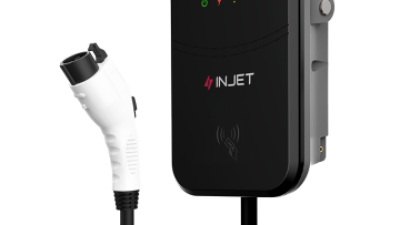
Revitalizing your electric vehicle charging experience is now a reality with the innovative Injet Blazer AC Charger. This charger does not only emphasize speed but also efficiency, making it an ideal choice for both residential and commercial settings. Its design allows for easy installation, whether wall-mounted or pole-mounted, catering to various indoor and outdoor applications. With the growing shift towards electric mobility, industry data reveals that EV sales are projected to increase significantly, with estimates suggesting global EV sales may reach 30 million units annually by 2030. This increasing demand necessitates robust and efficient charging solutions.
Featuring four LED lights for user convenience and a special ergonomic enclosure, the Injet Blazer is built to withstand diverse environmental conditions. It meets stringent safety standards, including UL, FCC, and Energy Star approvals, ensuring that users can charge their vehicles with peace of mind. The Type 4 enclosure adds an extra layer of protection, making it suitable for outdoor installations, while its support for OCPP (Open Charge Point Protocol) and RFID authorization enhances its compatibility with various management systems, positioning it as a forward-thinking solution within the charging infrastructure landscape.
In a time where energy efficiency is paramount, adopting such chargers can lead to significant energy savings. According to the U.S. Department of Energy, electric vehicle charging can be more efficient than traditional fuel refilling, often resulting in lower energy costs for users. This aligns perfectly with the increasing focus on sustainability and reducing carbon footprint, making the Injet Blazer AC Charger not just a charging device, but a strategic investment for a greener future.
FAQS
: Consider charging speed, power output, and charging habits. Understanding these helps you choose effectively.
Level 1 chargers operate at 120 volts for overnight charging. Level 2 chargers offer 240 volts for faster replenishing.
Higher power output means more energy transfer. It’s essential for efficient charging, especially for larger batteries.
Most home chargers range from 16 to 40 amps. Choose based on your vehicle’s battery size and your home’s electrical system.
You need a dedicated circuit and may require electrical upgrades. Placement should be safe and accessible for daily use.
It helps you understand market rates and avoid overpaying. Researching average installation costs can lead to better deals.
Check your vehicle’s charging requirements and connector types before purchasing. This helps avoid incompatible chargers.
Not always. Reflect on your daily driving habits and determine the charging speed that fits your needs.
Planning upgrades and budgeting for unexpected expenses can save money. Think about future needs when selecting a charger.
Ensure the charger is weatherproof and accessible. Local regulations may require permits, so check your community requirements.
Conclusion
When choosing the best EV car charger, it's crucial to understand your specific charging needs, including your vehicle's battery capacity and typical usage patterns. There are various types of EV car chargers available in the market, each with different charging speeds and power outputs, which can significantly affect how quickly you can recharge your vehicle.
Installation requirements and associated costs should also be carefully considered, as some chargers may need professional installation, while others can be easily set up at home. Additionally, exploring smart charging features can enhance your overall charging experience, allowing for more flexibility and efficiency. Lastly, ensure compatibility with your electric vehicle model and consult reviews and recommendations to make an informed decision before purchasing your EV car charger.


 Who we are
 Discover Who we are
 Power Solutions
 Discover Power Solutions
 Media
Media
 Discover Media
 Services
 Discover Our Services
 Get in touch