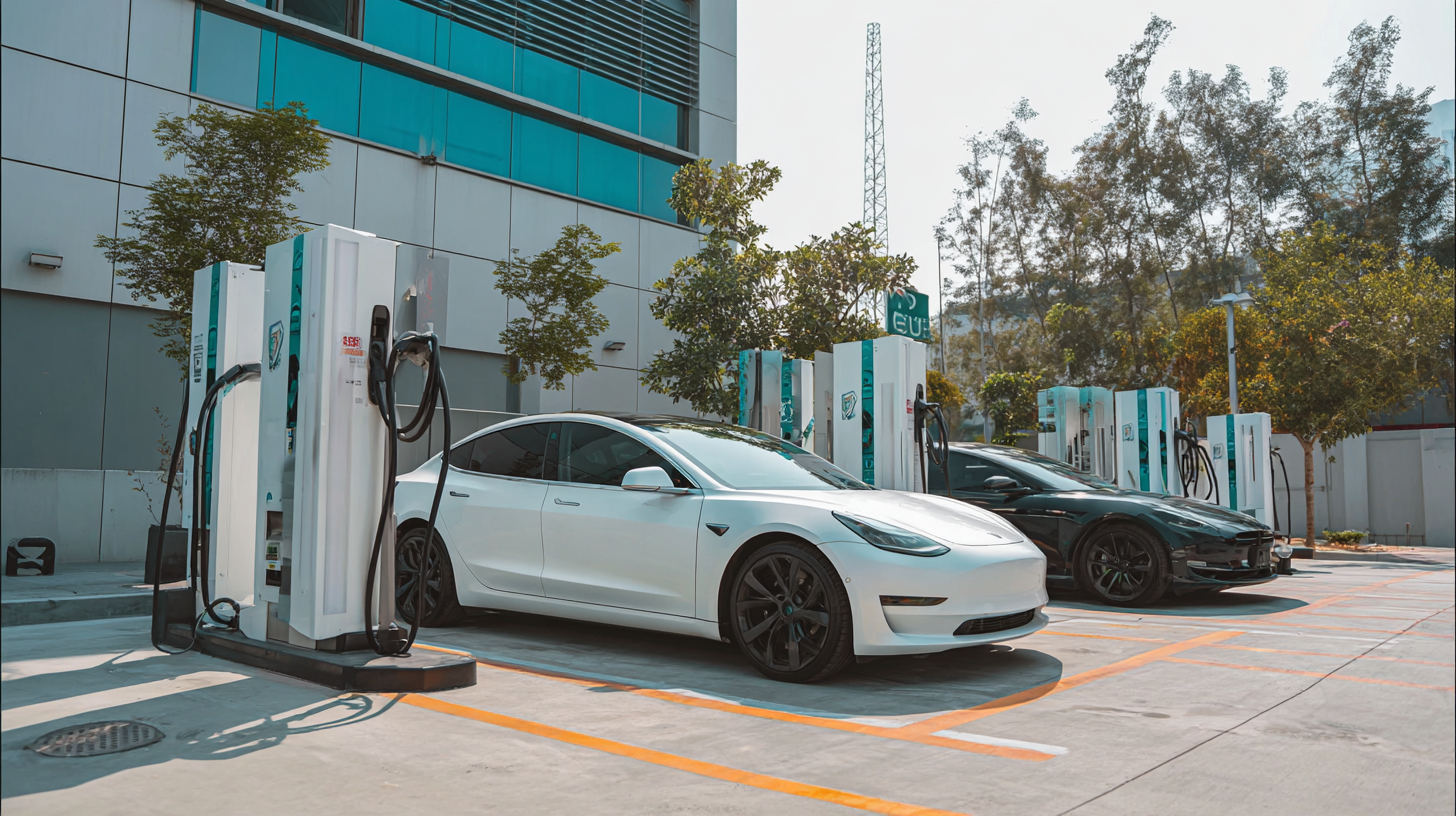
Okay, so here’s the thing: the electric vehicle (EV) market is booming and is expected to hit about $800 billion by 2025. That means the infrastructure really needs to keep up — especially things like
EV Box Charging Stations. With over 27 years of hands-on experience,
Sichuan Injet Electric Co., Ltd. has been a key player in powering up this fast-moving industry.
People are going to want more reliable, fast-charging options — it’s no secret that by 2025, nearly 30% of all vehicles sold worldwide will be electric.
Injet’s focus on independent R&D gives them a real edge in developing cutting-edge EV charging stations that meet today’s tech needs and also look ahead to where transportation is headed.
When you’re trying to pick the best charging solutions, it’s super important to understand what's happening in the market so you can make smarter, informed choices in this rapidly growing space.
Understanding Different Types of EV Charging Stations Available in the Market
When you're trying to pick out an electric vehicle (EV) charging station, it's pretty important to understand the different kinds out there. Basically, there are three main types:
Level 1, Level 2, and DC fast chargers.
Level 1 chargers are the simplest—they plug right into a regular household outlet and give you about
4-5 miles of range per hour. So, if you're charging overnight at home, it works pretty well. The Department of Energy says it might take
up to 20 hours to fully juice up your EV, depending on the size of your battery, which is a bit of a wait but doable for overnight charging.
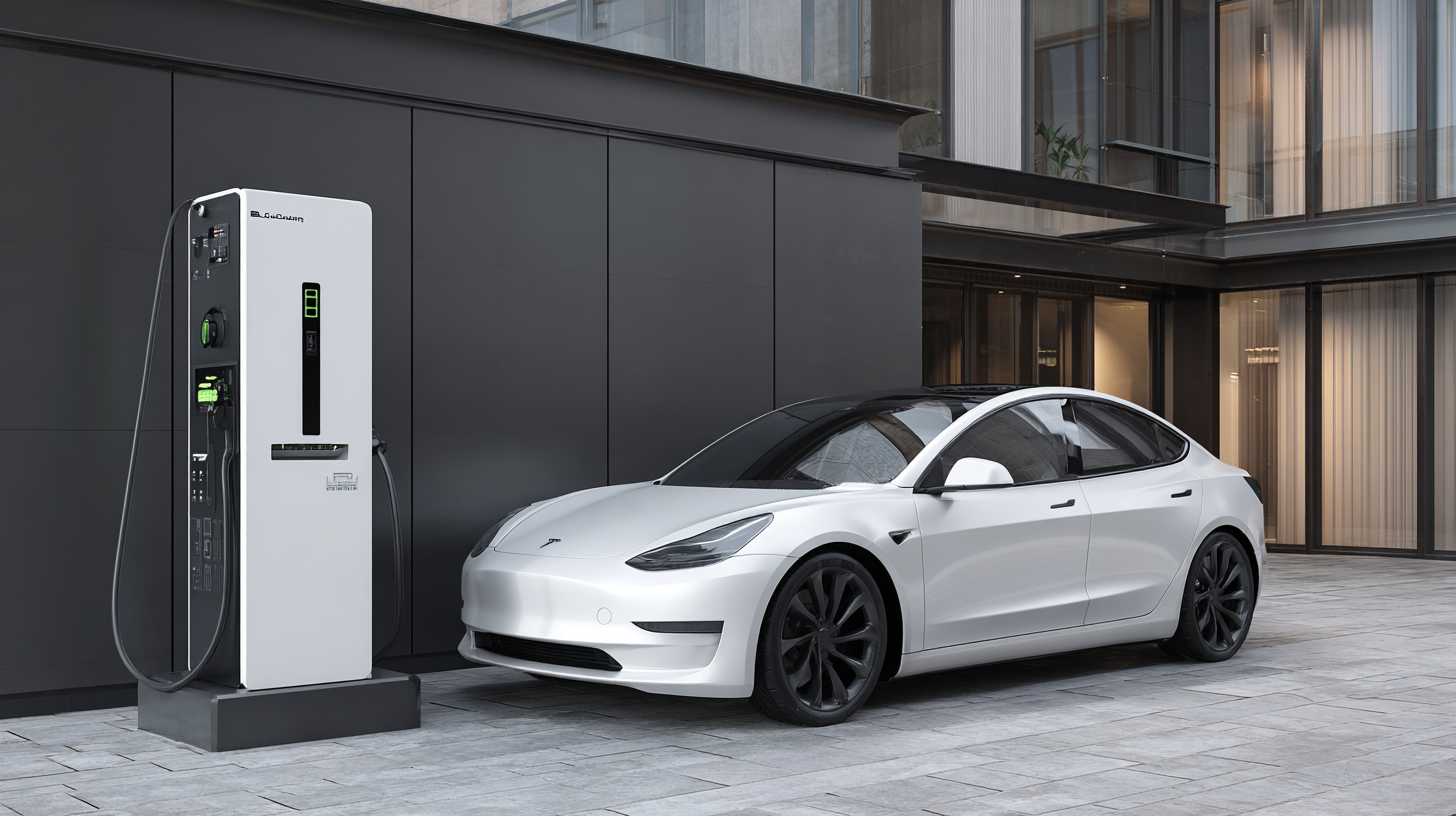
Then we have the Level 2 chargers. These are more efficient and you'll usually find them at public charging stations or in commercial spots. They can give you
anywhere from 10 to 60 miles of range per hour, so charging times are much shorter—think just a few hours, tops. As the International Energy Agency reported back in 2022,
over 80% of public EV charging spots were Level 2 stations, so they’re pretty common.
And finally, there are DC fast chargers. These are the speedy guys—they can deliver up to
350 kW, which means you’re looking at about 3 to 20 miles of range every minute. They’re a bit pricier to install and not as widespread, but they're super helpful on long road trips,
letting you top off your EV quickly while on the highway. Knowing the differences between these chargers really helps you make smarter choices based on what you need for your specific vehicle and lifestyle.
Key Features to Look for in Alternative EV Charging Solutions
When you're choosing an EV charger for your home or business, it's pretty important to pay attention to a few key features that can really make your life easier and ensure your EV gets the best care. First off, charging speed matters a lot. The National Renewable Energy Laboratory points out that Level 2 chargers can give you anywhere from 10 to 60 miles ofRange per hour—so they're a solid pick if you're setting up at home. But if you’re someone who hits the road often and needs to recharge quickly, a station with DC fast charging might be the way to go. These can top off your battery up to 80% in just about 30 minutes—huge time saver, right?
Also, don’t forget to check if the charger is compatible with your specific EV model. A 2022 report from the International Energy Agency mentions that the variety of EVs will keep growing—in fact, there are over 300 different models worldwide now. So, it’s smart to pick a station that supports all the popular connectors like CCS and CHAdeMO, just to be safe.
And lastly, smart tech features are becoming pretty much a must-have. Many stations now come with smartphone apps that let you monitor your charging, schedule it during cheaper off-peak hours, or even connect with your home energy system to help keep everything running smoothly and efficiently. Basically, the more tech, the better, as it adds flexibility and convenience to your charging experience.
Comparing Level 1, Level 2, and DC Fast Charging Options for EVs
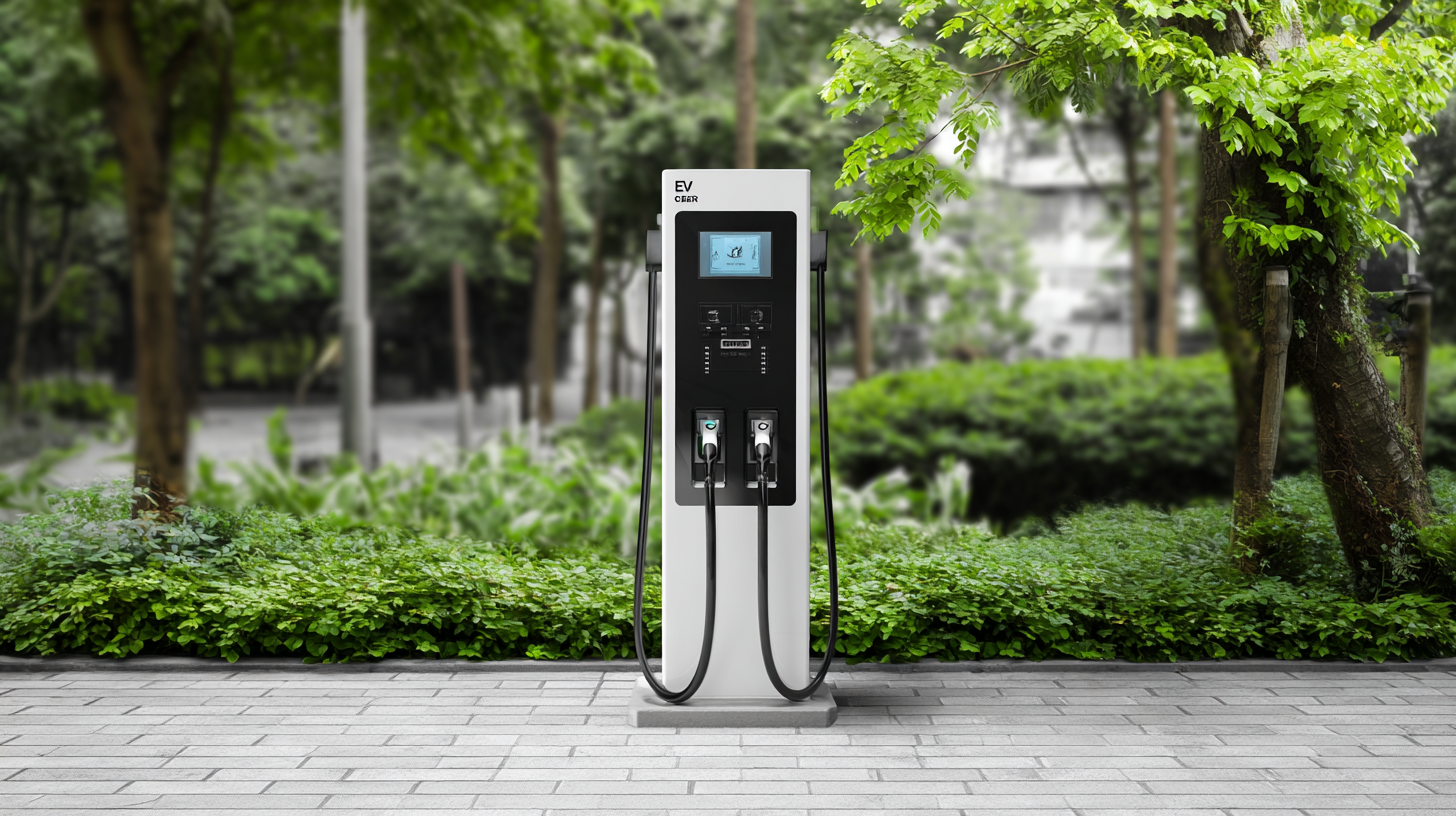
So, if you're trying to pick out the best EV charging station for your needs, understanding the difference between Level 1, Level 2, and DC Fast Charging is honestly pretty important. Level 1 chargers are the simplest—they plug right into a regular 120V outlet. That makes them super easy to access, but let’s be real—they’re slow as molasses. Perfect if you’re mostly charging overnight at home and don’t drive a ton each day. Now, Level 2 chargers bump it up a notch with 240V power. They cut down charging time quite a bit and are pretty versatile—great for both your home and business setups. They kinda hit that sweet spot between speed and convenience, so lots of folks go for these because they’re efficient without needing special equipment. Then there’s DC Fast Charging, which is really the way to go if you’re in a rush. These stations can give you about 80% of your battery back in just around half an hour—awesome for quick stops, especially in public places or busy commercial areas. Sure, they’re pricier to install and set up, but the convenience they offer is huge—especially if you’re someone who’s always on the go. Companies like Sichuan Injet Electric Co., Ltd., have been in the game for over 27 years, making sure they craft smart, reliable charging solutions. They really get what’s needed to keep your EV charged while helping move us all toward cleaner, greener energy.
Evaluating the Compatibility of Charging Stations with Your Electric Vehicle
When you're picking out an electric vehicle (EV) charging station, it's really important to make sure it’s compatible with your specific car model. The charging world is growing fast—did you know the market’s expected to hit around $3.74 billion by 2024? That’s huge! But that also means there are tons of options out there, so taking the time to pick the right one can save you a lot of hassle down the line. Things like connector types, how fast it charges, and the power output need to match what your EV actually needs. Getting a good understanding of both your car's tech specs and what the charging stations offer can make the whole experience way smoother.
And, honestly, compatibility isn’t just about plugging in—it's also about checking if the station supports different charging tech like DC fast charging or Level 2 AC stations. Some newer stations come loaded with smart features that optimize the charging process or even sync up with your home automation. It’s smart to think ahead, too—make sure the station you pick works now and can handle changes if you upgrade your vehicle later on. As the EV scene keeps evolving, keeping tabs on the latest charging tech will help you get the most bang for your buck, both in your car and your charging setup.
How to Choose the Best Ev Box Charging Station for Your Electric Vehicle Needs - Evaluating the Compatibility of Charging Stations with Your Electric Vehicle
| Charging Station Type |
Power Output (kW) |
Charging Connector Type |
Smart Features |
Installation Location |
| Level 1 Charger |
1.4 - 2.4 |
NEMA 5-15 |
None |
Home / Residential |
| Level 2 Charger |
3.3 - 19.2 |
J1772 |
Wi-Fi, App Control |
Home / Public Charging Stations |
| DC Fast Charger |
50 - 350 |
CHAdeMO, CCS |
GPS, Payment Integration |
Highway Rest Stops, Urban Areas |
| Portable Charger |
1.4 - 3.6 |
J1772 |
None |
Mobile Use |
Cost Considerations: Budgeting for Your EV Charging Station Choices
Thinking about getting an electric vehicle (EV) charging station? Well, one of the first things you probably want to consider is the cost. I mean, a recent report from the International Council on Clean Transportation mentioned that residential charging stations typically run anywhere from about $500 up to $2,000 — and that’s just for the unit itself. The total cost can bump up even more once you factor in installation, which varies based on where you live and how complex the electrical work needs to be — anywhere from $300 to over a grand, really.
Here's a little tip: Before you jump in, it's a smart idea to check if your home’s electrical system can handle a Level 2 charger. Those are the fast chargers that juice up your EV quicker. This might save you some money on electrical upgrades down the line. And don’t forget to see if there are any rebates or incentives from your state or federal government — they could really help cut down the overall costs.
Another thing to keep in mind is how much you'll be spending on electricity to charge your car every month. According to the U.S. Department of Energy, charging an EV usually costs around $0.14 per kilowatt-hour, which is way cheaper than filling up a tank with gas. So, by installing your own charging station, you could end up saving quite a bit over time.
If you want to get a bit more precise on your costs, check out your utility company's rate plans. Some utilities offer lower rates if you charge during certain off-peak hours, which can make charging even more budget-friendly.
Cost Considerations for EV Charging Stations
The Future of EV Charging: Emerging Technologies and Innovations
The future of charging up your electric vehicle (EV) is happening fast, thanks to new tech and innovations that aim to make charging stations more efficient and easier to access. A recent report from the International Energy Agency (IEA) estimates that by 2030, there could be around 230 million EVs on the road worldwide. That’s a huge jump, which means we’ll need a lot more charging stations. Things like wireless charging, ultra-fast chargers, and smart grid tech are all set to change the game — cutting down charging times a lot and making the whole process a lot smoother for users.
When you're picking out an EV charging station, there are a few must-know tips. First off, go for a model that can do both Level 2 AC and DC fast charging — that way, you’re covered whatever your needs. Also, look for stations with smart features like Wi-Fi and apps you can control from your phone. These let you monitor your charging session and keep tabs on energy use in real-time. According to Bloomberg New Energy Finance, the global market for EV charging infrastructure is expected to hit around $190 billion by 2027 — so, choosing a station that’s future-proof and scalable really makes life easier down the line.
And don’t forget about compatibility. Make sure your charging station works with a variety of EV models. Recent surveys show that about 80% of EV owners prefer stations with universal connectors, so they can charge any vehicle without drama. By keeping these innovations in mind, you'll be stepping into the future of electric mobility confident and ready to roll.
Leveraging the 2023 EV Charging Infrastructure Report: The Case for Compact DC Charging Stations in Urban Areas
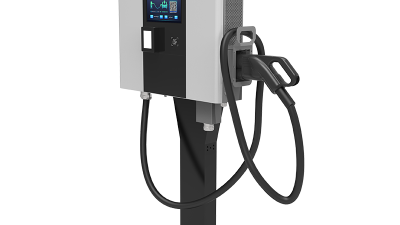
As urban areas continue to expand and the popularity of electric vehicles (EVs) rises, the need for efficient and accessible charging infrastructure is more vital than ever. The 2023 EV Charging Infrastructure Report highlights the growing demand for compact DC charging stations tailored for bustling city environments. One product that stands out in this context is the Injet Hub, a cutting-edge compact DC charging solution designed to meet the fast-paced lifestyle of city dwellers.
The Injet Hub excels in public venues such as shopping malls, parks, and hotels, where time is of the essence. With its rapid charging capability, it significantly reduces wait times, transforming the experience of charging an electric vehicle from a tedious task that could take an entire day to just a few hours. This feature is particularly appealing for busy urbanites who often juggle multiple commitments. Moreover, the Injet Hub is equipped with high-quality components and robust safety features, ensuring stable and secure operation in various environments.
Ease of use is another hallmark of the Injet Hub, which offers a user-friendly design that allows drivers to simply plug in and charge without the hassle of complicated setups. Its wide compatibility with various EV brands and models makes it an ideal choice for diverse users. By integrating infrastructure like the Injet Hub into urban areas, cities can enhance their EV ecosystem, making electric vehicle ownership not only convenient but also a popular choice among residents.
FAQS
: The three primary types of EV chargers are Level 1, Level 2, and DC fast chargers. Level 1 chargers use a standard household outlet, Level 2 chargers are more efficient and commonly found in public settings, and DC fast chargers provide rapid charging suitable for long-distance travel.
Level 1 chargers can take up to 20 hours to fully charge an EV, depending on the battery capacity, providing around 4-5 miles of range per hour.
Level 2 chargers can deliver 10-60 miles of range per hour, significantly reducing charging time to just a few hours, making them suitable for both residential and commercial settings.
DC fast chargers can replenish an EV's battery to 80% in about 30 minutes, offering up to 350 kW and delivering 3-20 miles of range per minute.
Ensuring compatibility with your specific vehicle model saves time and frustration. Factors to consider include connector types, charging speeds, and power output that correspond to your vehicle's capabilities.
Evaluate factors like connector types, charging technologies (e.g., DC fast charging or Level 2 AC charging), and whether the charging station's specifications align with your vehicle's capabilities and future upgrades.
The global market size for EV charging infrastructure is projected to reach $3.74 billion by 2024, indicating significant growth and development in charging technology.
It’s essential to select a charging station that meets your immediate charging needs while also being compatible with potential future vehicle upgrades as the EV market continues to evolve.


 Who we are
 Discover Who we are
 Power Solutions
 Discover Power Solutions
 Media
Media
 Discover Media
 Services
 Discover Our Services
 Get in touch