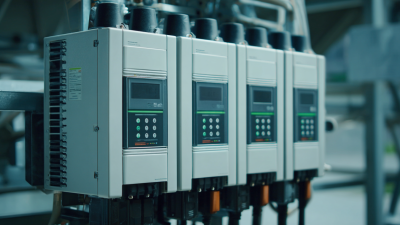
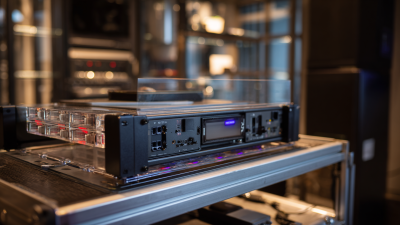
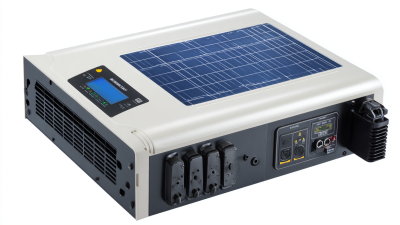
With the global push for more efficient energy solutions, everyone's talking about the upcoming 2026 Top Single Phase Power Controller. It’s a pretty important device for lots of residential and industrial setups alike. Companies like Schneider Electric and Siemens are really pushing the envelope with innovative designs that boost energy efficiency. Basically, this kind of power controller helps manage energy smarter, making it a must-have in today’s power systems.
When you're diving into this market, it’s not as simple as just picking anything off the shelf. You really gotta know what to look for—things like reliability, flexibility, and overall performance. Sure, lots of brands claim they’re the best, but if you dig a little deeper, you'll find that not all of them hold up to high standards. Some controllers, especially under heavy loads, can falter, which isn’t ideal. So, a savvy buyer will definitely want to go for the models that have proven themselves over time.
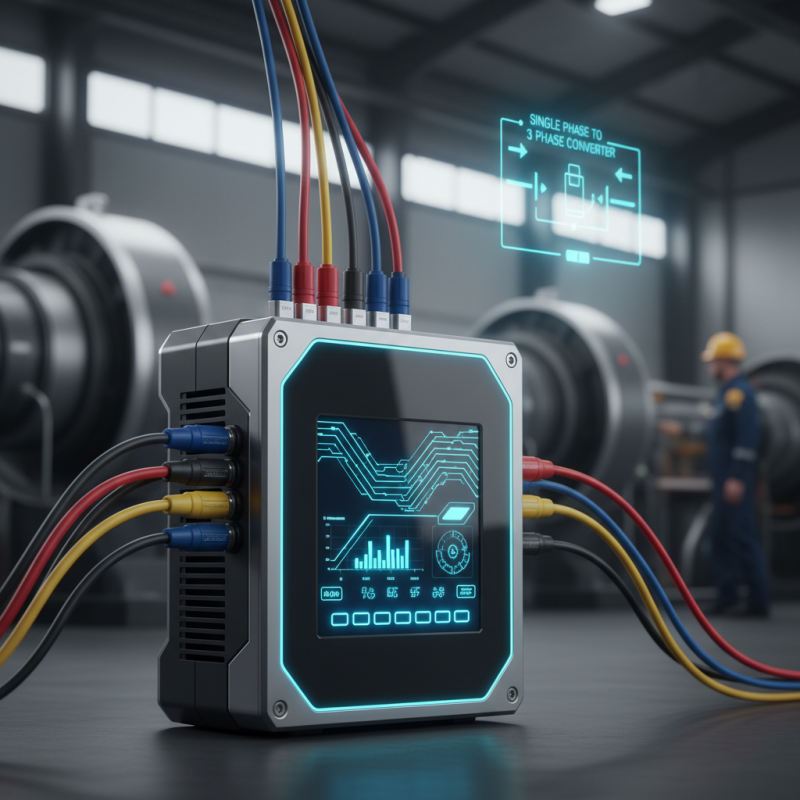
And let’s not forget, system upgrades are becoming more the norm. More folks are now looking into Single Phase To 3 Phase Converters. These upgrades really open up new possibilities and make switching between power phases a lot smoother. As this whole power control scene keeps changing and improving, staying in the loop with the latest tech is pretty much essential if you want to make smart, informed choices.
Overview of Single Phase Power Controllers in 2026
As we look ahead to 2026, single phase power controllers will play a crucial role in various applications. These controllers efficiently manage power distribution in residential and commercial settings. They cater to a growing need for energy efficiency, especially as governments worldwide push for reduced carbon emissions. Industry reports indicate that the market for power controllers is expected to reach $4.5 billion by 2026, reflecting a compound annual growth rate (CAGR) of 6.2% from 2021. Such growth underscores the increasing reliance on energy management technologies.
One notable trend is the transition from single phase to three phase inverter systems. This shift provides better efficiency and performance in larger installations. Professionals in the field must stay updated on advancements, as these technologies quickly evolve. Integration with smart grid solutions and IoT systems is becoming the norm, allowing for real-time monitoring and optimization.
**Tip:** Regularly reviewing data from industry reports can help you stay informed. Understanding the specifications and requirements of single phase power controllers is essential for making informed decisions. Keeping tabs on emerging technologies ensures that you are not left behind in this rapidly advancing field.
2026 Top Single Phase Power Controller Trends
Key Features to Look for in Single Phase Power Controllers
When selecting a Single Phase Power Controller, various key features should be prioritized. Efficiency is paramount. According to a recent industry report, optimal controllers achieve up to 95% energy efficiency. This balance translates to significant cost savings over time. Look for features such as adjustable voltage control. This allows users to tailor the output according to specific power requirements, enhancing the device's usability.
Another crucial aspect to consider is load compatibility. Compatibility ensures the controller can manage different electrical loads without causing damage or inefficiency. Advanced controllers also offer built-in protections against overloads and surges. Such features can prevent costly equipment failure and extend the lifespan of connected devices. A report from a leading industry analyst revealed that controllers with robust safety features can reduce maintenance costs by up to 30%.
Monitoring capabilities form another essential criterion. Real-time data gives insights that can significantly improve operational efficiency. Devices equipped with digital displays or smart technology allow users to track performance metrics effectively. However, reliance on technology can sometimes lead to overlooking manual checks or human error. Finding the right balance between automated monitoring and manual oversight is vital for optimal performance.
Top Brands and Manufacturers in the Global Market
The demand for single-phase power controllers is on the rise. According to industry reports, the market is projected to grow by 7% annually over the next five years. This growth is driven by sectors like residential automation and renewable energy systems. Key players in the market are embracing innovative technologies to enhance energy efficiency and user experience.
One notable trend is the shift towards smart controllers. These devices enable remote management and monitoring, adding convenience and efficiency. Industry experts suggest that integrating IoT capabilities can significantly improve functionality. However, the competition is fierce, with numerous manufacturers vying for market share. This can lead to confusion about the best options available.
Tips: Always consider the specific application when choosing a power controller. Read reviews and user experiences to gauge reliability and performance. Also, look for warranty and support services as these can be indicators of a brand's commitment to quality. Adopting a thorough evaluation process can help prevent buyer's remorse and ensure optimal performance in your applications.
Comparative Analysis of Price and Performance
When considering the best single-phase power controllers for 2026, buyers need to focus on price and performance. The global market offers a range of options, yet understanding the nuances can be challenging. For instance, some controllers excel in energy efficiency but come with a higher price tag. Others are more budget-friendly but may not deliver the same level of performance. It’s vital to evaluate these trade-offs carefully.
In terms of performance metrics, efficiency ratings are essential. Many models provide detailed specifications that highlight their operational effectiveness. However, discrepancies occasionally arise in real-world applications. The performance a buyer experiences may differ from advertised claims. This gap underlines the need for thorough research and reliable customer reviews.
For those interested in China single-phase power controller options, the landscape is competitive. Price variations can be significant based on features and manufacturers. Buyers must scrutinize the technology used and its applicability to their needs. Honest feedback from previous users can reveal insights that technical sheets may not cover. Balancing cost against performance is crucial. Prioritizing what matters most to your specific situation will ultimately guide you in making an informed decision.
Applications and Benefits of Using Single Phase Power Controllers
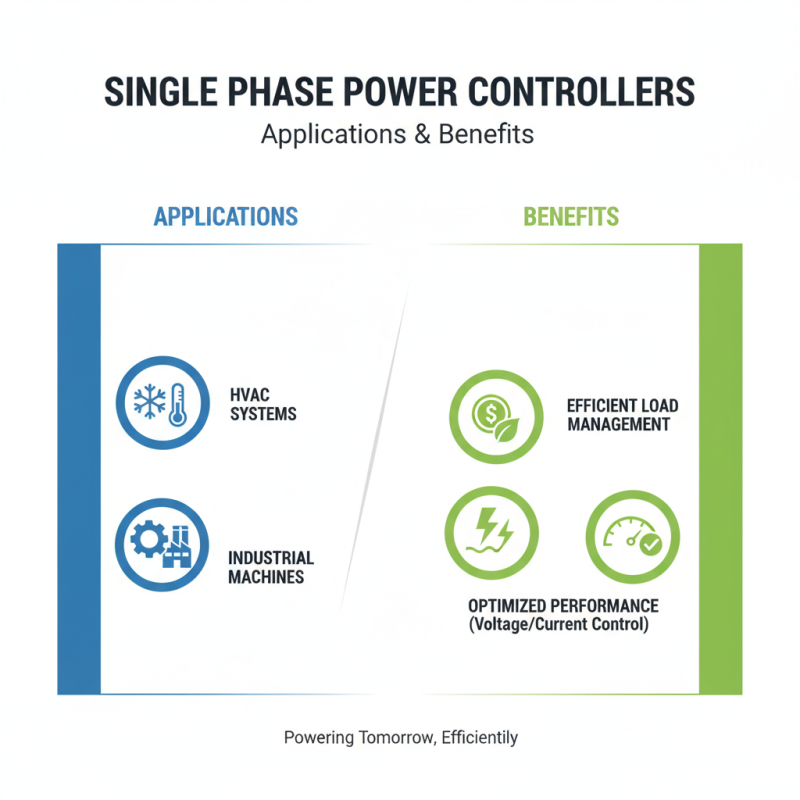
Single phase power controllers are crucial in many applications. They efficiently manage electrical loads, leading to increased energy savings. These controllers are widely used in HVAC systems and industrial machines. Their ability to control voltage and current makes them essential for optimizing performance.
The benefits of using a Custom Single Phase Power Controller are significant. Custom solutions can address specific needs, such as varying load conditions. This adaptability allows for improved reliability and efficiency in operations. Moreover, integrating these controllers can reduce wear and tear on equipment, extending its lifespan.
However, challenges exist in selecting the right controller. Factors like compatibility and load type must be considered. Improper matching may lead to inefficiencies or failures. Buyers should conduct thorough research to ensure the best fit for their applications. This attention to detail can prevent costly mistakes in the long run.
Future Trends in Single Phase Power Controller Technology
The landscape of single-phase power controller technology is rapidly evolving. In 2026, we expect to see innovations that enhance efficiency and reduce energy consumption. Manufacturers are focusing on smart technology integration. This includes monitoring and regulatory features that enable real-time adjustments. Such advancements promise to maintain voltage stability and improve overall performance.
As the industry progresses, the need for user-friendly interfaces will become essential. Easy-to-navigate controls allow for better user interaction. However, many existing models lack intuitive designs. This presents an opportunity for developers to rethink ergonomics and functionality. Simplifying complex functionalities could lead to wider adoption among consumers. Energy savings also hinge on optimizing designs for scalability and integration with renewable sources.
The focus on sustainability drives another trend. Controllers designed with energy efficiency in mind can significantly lower carbon footprints. However, the challenge remains in balancing cost and effectiveness. Some technologies may initially appear costly, but they often yield long-term savings. As buyers consider these options, it’s crucial to reflect on the trade-offs involved. The journey to a fully optimized power solution will require ongoing collaboration and innovation across multiple sectors.
Guidelines for Global Buyers: Making Informed Choices
Choosing the right single phase power controller is vital for global buyers. The demand for efficient power management systems is increasing. Reports suggest that the market will grow at a CAGR of 5.8% from 2023 to 2028. Buyers must stay informed to make effective decisions.
Understanding specifications is crucial. Look for controllers with high efficiency ratings. Efficiency rates above 90% can reduce energy wastage significantly. However, not all products will meet that standard. It's essential to assess third-party testing results and user reviews. Reliability shouldn't be overlooked, as some controllers may have higher failure rates than reported.
Consider the integration capabilities with existing systems. Power controllers must be compatible with various technologies. Look for those with versatile communication protocols. That can prevent costly upgrades later. However, it is tricky to find the perfect fit. Some users face compatibility issues after purchasing. Researching compatibility is not always easy, but necessary for long-term satisfaction.
Maximizing Efficiency and Control: An In-Depth Look at the ST Series Three-Phase Power Controller
The ST series three-phase power controllers stand out for their compact design, making them a space-saving choice for cabinet installations. Their simple wiring and user-friendly interface enhance operational efficiency, allowing for quick setup and maintenance. These controllers feature a dual-language liquid crystal display, available in both Chinese and English, which provides users with clear visibility of output parameters and operational statuses. This intuitive display significantly reduces the complexity often associated with managing power control systems.
Widely versatile, the ST series is employed across various industries, including vacuum coating, fiberglass production, and tunnel kiln operations. The ability to seamlessly adjust power output makes these controllers invaluable for applications in roller kilns and mesh belt furnaces as well. The efficient control mechanisms enable better energy management while maintaining high levels of precision in production processes. By prioritizing both efficiency and user control, the ST series delivers a robust solution for modern industrial needs.
FAQS
: Efficiency is crucial. Optimal controllers can achieve up to 95% energy efficiency.
It allows users to tailor the output to their specific power needs, improving usability.
Compatibility ensures the controller manages different electrical loads without causing damage or inefficiency.
Look for built-in protections against overloads and surges to prevent equipment failure.
Real-time data provides insights into performance, aiding operational efficiency and decision-making.
They allow remote management and monitoring, adding convenience and improving energy use.
Relying too much on technology can lead to overlooking essential manual inspections or human error.
Trends like IoT integration can enhance functionality but can also contribute to confusion in decision-making.
Evaluate specific applications and read user reviews to gauge reliability and performance.
These factors indicate a brand's commitment to quality and can prevent buyer's remorse.
Conclusion
The article "2026 Top Single Phase Power Controller for Global Buyers" provides a comprehensive overview of single phase power controllers anticipated in 2026. It highlights the key features that buyers should consider, such as efficiency, compatibility, and advanced control options. The discussion also includes a comparative analysis of various models based on price and performance, aiding buyers in making informed decisions while exploring the global market.
Additionally, the article outlines the diverse applications and benefits of using single phase power controllers, emphasizing their crucial role in modern electrical systems. Future trends in technology are also anticipated, showcasing potential advancements that could enhance functionality and user experience. For global buyers, thoughtful guidelines encourage careful evaluation to ensure optimal choices that meet specific needs.


 Who we are
 Discover Who we are
 Power Solutions
 Discover Power Solutions
 Media
Media
 Discover Media
 Services
 Discover Our Services
 Get in touch