When you're trying to pick out the best electric inverter for your needs, having a clear picture really helps. The right inverter can keep your essential gadgets running smoothly and even boost your energy efficiency. With so many options out there, it’s easy to get overwhelmed, but focusing on the features that actually match your lifestyle and what you need makes all the difference.
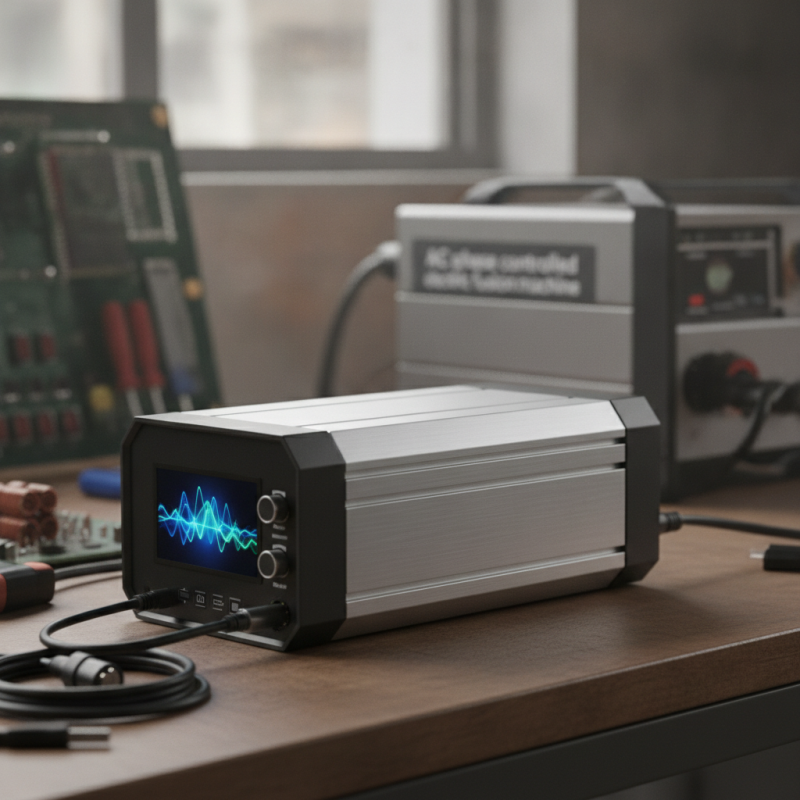
Getting to know the specs is super important. For example, you wanna check the wattage and make sure it can handle your devices without breaking a sweat. If you're using specialized equipment like an AC phase controlled electric fusion welding machine, you'll want an inverter that supports that kind of load. Also, don’t forget to look for brands with good reviews—that usually tips you off about quality.
Think about what really matters to you. Are you looking for something portable, or do you need a high-capacity unit that can handle more? The best inverter isn't just about what works now, but one that can also adapt if your needs change later on. Being well-informed and taking your time to make a thoughtful choice will definitely pay off in the long run.
Understanding Electric Inverters: A Comprehensive Overview
Electric inverters are essential for converting DC power from batteries to AC power. Understanding their features and specifications is vital for effective energy use. The global inverter market is projected to grow at a CAGR of 9.6% from 2023 to 2030, reflecting increasing demand for renewable energy solutions.
Electric inverters come in various types, including pure sine wave, modified sine wave, and square wave. Each serves different applications. For instance, pure sine wave inverters are ideal for sensitive electronics, while modified sine wave units are typically cheaper. According to industry reports, 40% of users overlook the type of inverter they need, leading to inefficiencies and equipment damage.
Efficiency ratings are another critical aspect. Many modern inverters exceed 90% efficiency, yet some older models may fall below 70%. This discrepancy can significantly impact energy costs over time. It's crucial to consider the inverter's total harmonic distortion (THD) as well. A low THD is necessary for maintaining the longevity of connected devices. Some users fail to evaluate these metrics, potentially resulting in poor performance and unnecessary expenses.
Types of Electric Inverters: Which One Is Right for You?
When it comes to selecting the right
Electric Inverter, understanding the different types available is crucial.
There are mainly three types:
pure sine wave,
modified sine wave, and
square wave inverters.
Pure sine wave inverters offer the best performance for sensitive devices. They provide clean, smooth power, just like your home outlet.
If you use delicate electronics, consider this option.
On the other hand, modified sine wave inverters are more affordable. They work for many appliances but may not be ideal for everything.
Some devices could struggle or overheat. Square wave inverters are the most basic type and suited for simple tools.
However, they are less common due to limited applications.
Tips for choosing the right electric inverter:
-
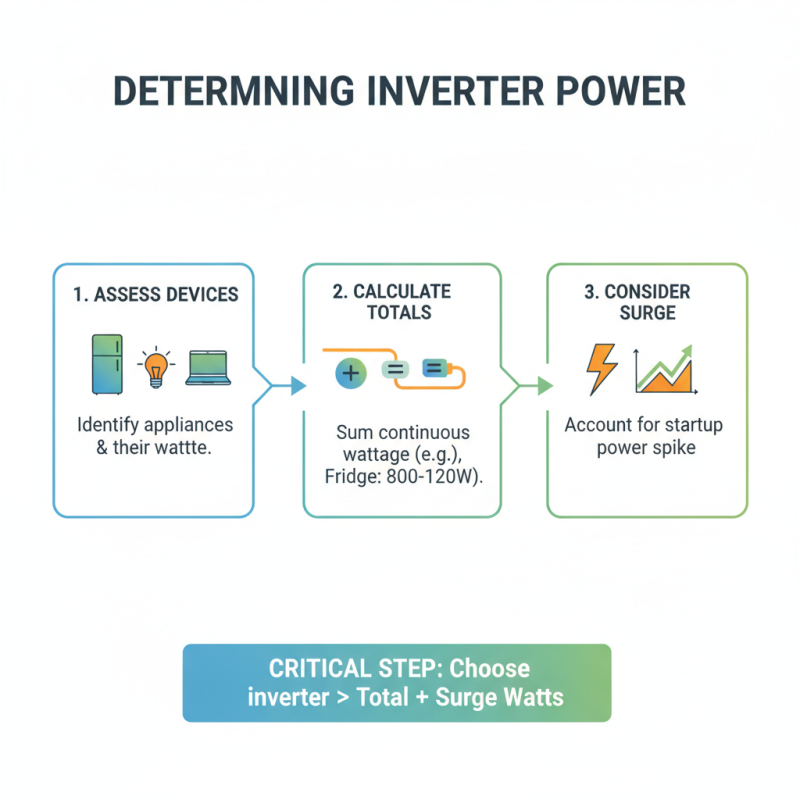
Assess your power needs: Calculate the wattage of the devices you plan to use. It's vital to ensure your inverter can handle the load.
-
Look for safety features: Protecting your devices matters greatly.
-
Check reviews and ratings: User feedback can highlight reliability and performance. This insight aids in making a well-informed decision.
Taking time to research pays off in the long run. Every choice impacts your experience with your electric inverter.
Determining Your Power Requirements for Inverter Selection
Choosing the right electric inverter starts with understanding your power needs. You should assess what devices you plan to use. Calculate the total wattage required. This step is critical. For instance, a refrigerator typically needs 800-1,200 watts. Also, consider the starting surge for some appliances. This initial power demand can be much higher.
Evaluate your lifestyle as well. Do you often use multiple devices simultaneously? If yes, factor that in. An Electric Inverter For Home use must accommodate peak usage. Break down your power needs into daily and peak consumption. It’s essential to have a buffer, allowing the inverter to handle unexpected loads.
Consider the inverter's efficiency too. A unit with higher efficiency can save you money. Sometimes, products with flashy features can be tempting, but be cautious. Look for reliable reviews from experts. Remember, an inverter is a long-term investment. Make sure it aligns well with your future needs, not just the current ones. An ill-informed choice can lead to overpaying or unreliable power supply. Prioritize your requirements wisely.
Key Features to Look for in a Quality Electric Inverter
When selecting an electric inverter, consider several key features that enhance its performance and reliability.
Power output is crucial; it determines the devices you can run.
Look for inverters with at least 1000 watts if you plan to power appliances like refrigerators or microwaves.
Smaller devices require less power, but knowing your total load is essential for efficiency.
Another vital factor is the inverter's efficiency rating.
A higher efficiency means less energy loss. Aim for at least 90% efficiency.
Additionally, check for safety features such as short-circuit protection and overload protection.
These elements can prevent damage to your electronics. However, many users overlook the importance of temperature control.
Inverters can overheat, leading to failures, so consider those with built-in cooling systems.
Finally, portability might be a consideration based on your needs.
If you plan to use it in different locations, lightweight models could be beneficial.
Still, remember that lighter inverters might compromise power and efficiency.
Think carefully about the balance between portability and performance.
Decision-making can often reveal more questions than answers about what best suits your needs.
Evaluating Inverter Efficiency and Performance Ratings
When selecting an electric inverter, performance ratings and efficiency are key. Efficiency indicates how well the inverter converts DC power into AC power. Look for inverters with high efficiency rates, typically above 90%. This ensures minimal energy loss during the conversion process, maximizing the power available for use.
Consider the inverter's performance ratings as well. These ratings help you evaluate load capacity and output stability. A good inverter can handle peak loads without compromising performance. Check the Total Harmonic Distortion (THD) value; ideally, it should be below 5%. High THD can affect sensitive electronics and appliances.
Efficiency is not the only factor to ponder. Think about your specific needs and usage patterns. An inverter that works well for one setup may not suit another. You may find that a lower efficiency inverter suffices for minimal applications. Experimentation can reveal what works best for your needs. Balancing efficiency, performance, and your unique requirements is crucial in making the right choice.
Budget Considerations: Finding an Inverter That Fits Your Needs
When considering a Solar And Electric Inverter,
budgeting is crucial. The inverter price range can vary significantly.
A basic model may cost around $200, while high-efficiency models can exceed $1,500.
According to industry reports, investing in a quality inverter can impact your overall solar system performance.
Higher initial costs often translate into better energy efficiency and longevity.
Understanding your power needs helps narrow down the options.
Evaluate how much energy you consume daily. A household using 30 kWh a day may need a different inverter than one using 10 kWh.
This assessment will guide your inverter choice. While it’s tempting to select the most affordable option, cheaper models sometimes lead to increased costs later.
For instance, subpar inverters might require replacement sooner.
Another factor is warranty and support.
The average warranty for inverters is around five to ten years.
However, some brands offer extended options. This aspect can influence overall value.
Researching customer reviews and experiences provides insight into reliability.
Sometimes, the numbers don’t reflect real-world performance.
Balancing upfront costs with long-term savings is essential.
Where to Buy: Trusted Retailers and Online Options for Inverters
When it comes to purchasing an inverter for your needs, knowing where to buy is crucial. Trusted retailers and online platforms are essential for ensuring reliability. A recent market report revealed that 72% of consumers prefer online shopping due to convenience and better deals. Check platforms that specialize in power equipment or electronics for a variety of options.
Local retailers also play a significant role. Many customers appreciate the opportunity to see products in person. Additionally, knowledgeable staff can provide insights that help in making informed choices. Seek out stores that focus on industrial tools. They may have demo units available, which is essential for items like the Inverter electric fusion welding machine.
Always consider the return policies and warranty options when purchasing. Even reputable online sellers can sometimes have complicated return processes. Read customer reviews—but remember, not all reviews reflect actual product performance. Aim to verify claims through other sources. It’s important to find a balance between convenience and customer service. A little research can lead to more informed decisions.
FAQS
: Electric inverters convert DC power from batteries into AC power for various applications.
There are three main types: pure sine wave, modified sine wave, and square wave inverters.
Pure sine wave inverters are ideal for sensitive devices, providing clean and smooth power.
Many users overlook the inverter type needed, leading to inefficiencies and potential damage.
Higher efficiency ratings reduce energy costs. Modern inverters can exceed 90% efficiency.
Low THD is crucial for device longevity and performance. High THD can lead to issues.
Prices range from about $200 for basic models to over $1,500 for high-efficiency ones.
Calculate the total wattage of devices you plan to use. This helps select the right inverter.
Standard warranties are typically five to ten years, influencing the overall value of the inverter.
Lower-cost options may lead to higher replacement costs and reduced efficiency over time.
Conclusion
When selecting the best electric inverter for your needs, it is essential to first understand what electric inverters are and their various types. This comprehensive overview will guide you through the process of determining your power requirements, ensuring that you choose an inverter that meets your specific demands. By evaluating the key features, efficiency, and performance ratings of electric inverters, you can make an informed decision.
Budget considerations also play a vital role in your selection process, allowing you to find an inverter that balances quality with affordability. Lastly, knowing where to buy is crucial; consider trusted retailers and online options to make your purchase confidently. By following these guidelines, you can successfully choose the right electric inverter tailored to your needs.


 Who we are
 Discover Who we are
 Power Solutions
 Discover Power Solutions
 Media
Media
 Discover Media
 Services
 Discover Our Services
 Get in touch