300820.SZ
Who we are
Power Solutions
Media
Services
Get in touch
Who we are
Power Solutions
Media
Services
Get in touch
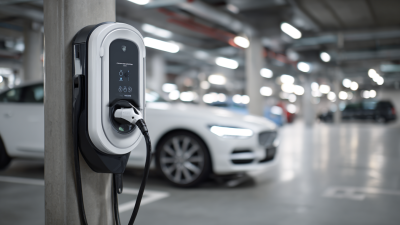
As electric vehicles (EVs) keep gaining popularity, it's no surprise that the demand for reliable battery chargers is skyrocketing. If you’re in China, you’ll find a bunch of options that cater to buyers from all over the world. These chargers can vary quite a bit in terms of speed, compatibility, and price, which means you’ve really gotta weigh your options carefully. Honestly, not all EV chargers are the same, and trying to find the right one can sometimes feel a little overwhelming.
Big players like NIO and BYD have a range of chargers, each with their own features. Some focus on fast charging, while others are more about being easy to use. But here’s the thing—just because a charger sounds great doesn’t mean it meets international standards. It’s super important to pay attention to the specs and how well each charger actually works.
In this crowded market, it’s key to take your time and think about whether the features really match what you need. Sure, some chargers claim to be super efficient, but they might not play nice with all types of EVs. Doing your homework beforehand is the way to go—you want to make sure whatever you pick checks all your boxes and fits with global guidelines.
China's electric vehicle (EV) market is booming. By 2023, it has become a global leader in EV production and sales. This rapid growth is supported by government incentives and environmental initiatives. Many consumers are shifting to electric cars, creating a high demand for charging solutions.
Tips: When choosing an Electric Car Battery Charger, consider charging speed and compatibility with various EV models. Look for chargers that can monitor energy usage and provide updates via a mobile app. These features enhance user experience.
Urban areas in China have seen significant investments in charging infrastructure. Public and private partnerships are expanding the network of charging stations. However, challenges still persist. Not every region has equal access to charging points. This disparity can affect EV adoption rates.
Tips: Research local charging station availability before purchasing an electric vehicle. It’s vital to ensure convenient access to an Electric Car Battery Charger in your area. Stay informed about new technologies that improve charging efficiency and reduce waiting times. These advancements can greatly enhance the EV experience.
When selecting an Ev Battery Charger, consider several key features. Charging speed is crucial. Some chargers can deliver up to 350 kW, enabling faster recharging. This is particularly beneficial for busy individuals with limited time. However, assess your home’s electrical system to ensure compatibility. A powerful charger may require upgrades.
Next, look at the charger’s connectivity options. Smart chargers come with Wi-Fi and app integration. These features allow you to monitor your charging status remotely. They may also provide usage insights and alert you of any issues. Additionally, a user-friendly display is essential. It should show real-time information and alerts clearly.
Durability and warranty are also significant. EV battery chargers should withstand various weather conditions. Find chargers with robust construction. A longer warranty often indicates reliable performance. This aspect can save you money in the long run. Lastly, check the installation requirements. Some chargers need professional installation, which can add to your costs. Balancing these factors will help you make an informed decision about the best EV battery charger for your needs.
The electric vehicle (EV) charger market in China is bustling, attracting global buyers. With the rapid adoption of EVs, the need for reliable charging options is critical. Reports indicate that China's EV market will grow by 35% by 2025, making it an essential hub for sustainable transportation solutions. Investors should pay attention to emerging technologies and innovative charging solutions offered by various brands.
Several brands are leading in the EV charger sector by focusing on efficiency and affordability. A comprehensive study from a leading energy research firm highlights the competitive landscape. It reveals that 60% of Chinese manufacturers are now working on universal chargers. These smart chargers can adapt to different vehicle models and offer various power outputs. Some models include 12v Power Supply Battery options, ensuring versatility for users.
Despite advancements, challenges remain. Common concerns include charging speed and compatibility with different EV models. Many chargers, while beneficial, lack user-friendly interfaces. Global buyers need to evaluate the reliability of chargers. Not all chargers can accommodate future technology upgrades. As the global EV market evolves, selecting a reliable EV charger brand in China will be crucial. Responsible research will lead to better choices for both investors and consumers.
The chart below illustrates the various types of EV chargers available in China, including their charging speeds and typical usage scenarios. This data provides insight into the key options for global buyers.
When considering EV battery chargers, it's crucial to evaluate fast charging versus standard charging solutions. Fast chargers have become popular because they significantly reduce charging time. These chargers can provide 80% of a battery's capacity in roughly 30 minutes. This functionality is ideal for those on the go. However, fast chargers typically require more robust infrastructure and can put stress on batteries over time.
On the other hand, standard chargers offer slower charging, usually taking several hours to fully recharge a vehicle. While they are less convenient for quick stops, they are more accessible in residential areas. Installation of standard chargers is often simpler and less costly. This makes them suitable for many users who primarily charge vehicles overnight.
Users often face challenges when deciding which solution best fits their lifestyle. Fast charging is great for those with busy schedules but may lead to battery degradation. Standard charging has a gentler impact on battery health but requires more time and planning. It’s essential to weigh convenience against battery longevity and infrastructure availability in the decision-making process.
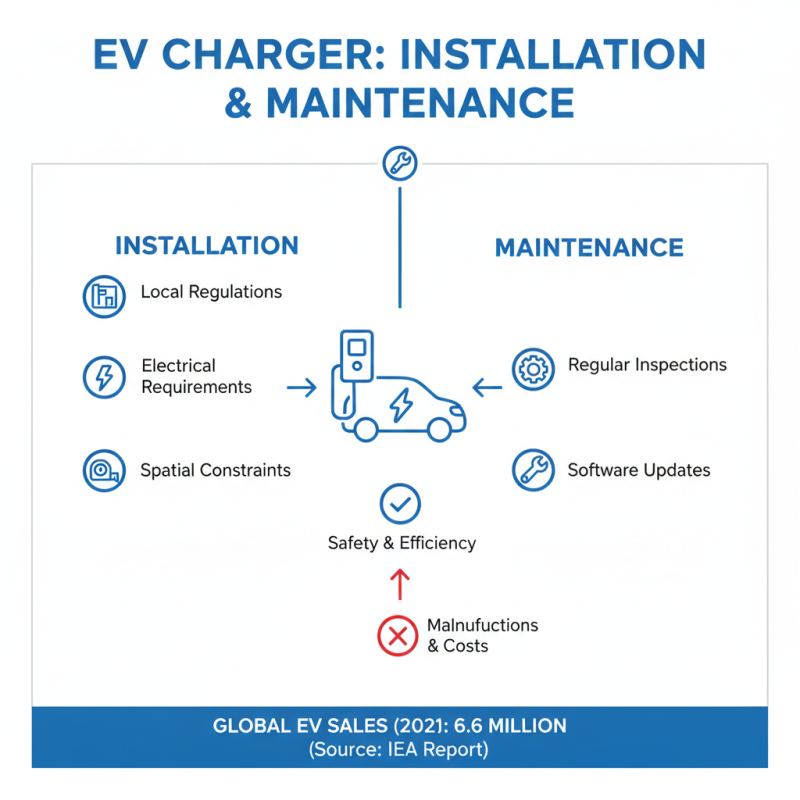
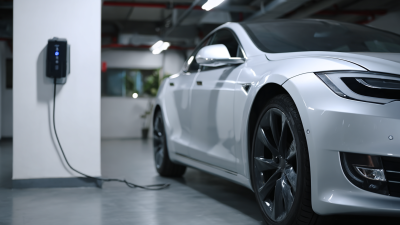
Electric vehicle (EV) chargers require careful installation and maintenance. A report by the International Energy Agency states that global EV sales reached 6.6 million in 2021. This surge highlights the need for reliable charging infrastructure. Installers must consider local regulations, electrical requirements, and spatial constraints. Proper installation ensures safety and efficiency. Mistakes can lead to malfunctions and increased costs.
Maintenance is crucial for optimal performance. Regular inspections can prevent breakdowns and prolong charger life. The average lifespan of EV chargers is about 10-15 years. However, neglecting maintenance can shorten this lifespan. Users should clean connectors and check for wear regularly. According to the National Renewable Energy Laboratory, a well-maintained charger operates 10-20% more efficiently than neglected units.
Costs can escalate if issues aren’t addressed promptly. Users must consider both the initial investment and ongoing maintenance expenses. Balancing these factors is vital for long-term satisfaction. Choosing the right charger and ensuring its upkeep can directly affect EV performance, user experience, and energy costs.
The demand for electric vehicle (EV) battery chargers in China is rapidly increasing. As more global buyers seek reliable options, pricing trends are evolving. In recent years, the average cost of quality chargers has fluctuated. This trend reflects both technological advancements and the growing competition among manufacturers.
Many chargers range from budget-friendly models to high-end devices. An entry-level charger can be affordable, but it may lack advanced features. On the other hand, premium options often provide faster charging times and smarter technology. However, buyers should research to find the ideal balance between price and quality. Some users report that more expensive chargers do not always guarantee better performance.
International buyers need to consider additional costs like shipping and import taxes. These factors can significantly impact the overall price. While many manufacturers claim to offer the best value, it's vital to read reviews and compare specs. Discrepancies in product performance are common, leaving some buyers feeling disappointed. Investing time in understanding these aspects can lead to better purchasing decisions in the long run.
When considering EV chargers in China, international buyers face unique regulatory landscapes. Navigating local laws is crucial. Various standards apply to electric vehicle (EV) infrastructure in China. These can impact the selection process significantly.
Global buyers must understand import regulations. Certification for safety and efficiency is often mandatory. This includes adhering to specific guidelines for Lithium Battery Materials. Non-compliance can lead to hefty fines or delays in delivery. Understanding quality assurance processes is essential, especially for businesses aiming to meet international standards.
Potential buyers should engage with local experts. Their insights into the regulatory environment can be invaluable. Challenges may arise, such as differences in voltage requirements or plug types. Each detail must align with local practices. A one-size-fits-all approach can lead to costly mistakes. Awareness of these nuances can facilitate smoother transactions and enhance the overall buying experience.
: Fast charging can charge 80% of a battery's capacity in around 30 minutes. This is ideal for busy schedules.
Fast chargers can stress batteries and may lead to degradation over time. This could affect battery life.
Standard charging usually takes several hours to fully recharge a vehicle. It's less convenient for quick stops.
Standard chargers are often simpler and less expensive to install. They're great for overnight charging at home.
Installation must comply with local regulations, spatial constraints, and electrical requirements. Mistakes can be costly.
Regular inspections and upkeep can increase efficiency by 10-20%. Neglecting maintenance can shorten charger lifespan.
They should be aware of local laws and import regulations that impact charger selection and compliance.
Local experts understand specific regulatory environments. They can help avoid costly mistakes in the buying process.
Non-compliance can lead to fines or delivery delays. It's crucial to understand quality assurance processes.
Yes, ongoing maintenance expenses can escalate if issues aren't addressed promptly. Balancing these is vital for satisfaction.
The electric vehicle (EV) market in China has experienced significant growth, making it an attractive hub for global buyers seeking high-quality EV battery chargers. When selecting an EV battery charger, key features such as charging speed, compatibility, and safety standards should be considered. Fast charging solutions offer the convenience of quicker refueling, while standard charging may be more suitable for home use.
It is crucial for international buyers to be aware of installation and maintenance considerations to ensure optimal performance. Pricing trends indicate a competitive market for quality EV battery chargers in China, which can vary based on features and technology. Additionally, understanding regulatory requirements will help smooth the purchasing process for global buyers interested in tapping into China's EV infrastructure.