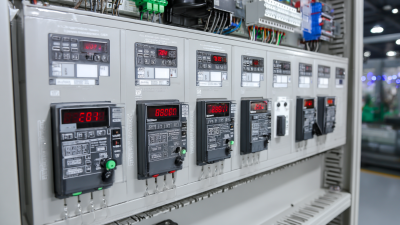
In today’s world, where everyone’s trying to be more energy-conscious, picking the right electricity controller for your home isn't just a nice-to-have—it's kind of a must these days. Did you know that, according to the International Energy Agency, global electricity use is expected to jump by around 25% between 2020 and 2040? That’s a huge increase! So, making sure you’re using energy efficiently isn’t just about saving a few bucks on your bills; it’s also about helping out the planet. A good electricity controller can really make a difference—it can help you keep track of your energy habits, improve overall efficiency, and even give you some insights into how you're consuming power.
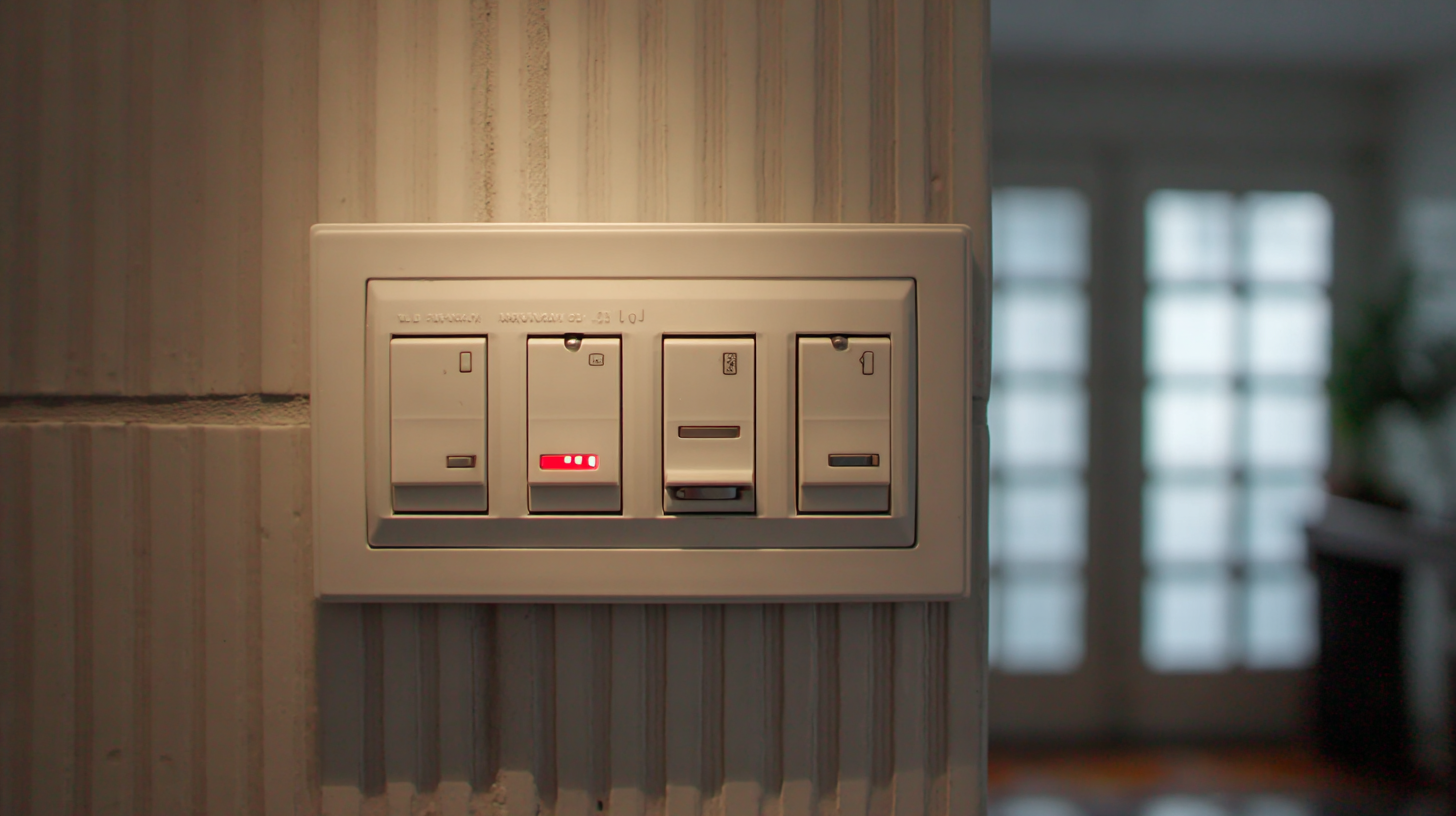
And speaking of smart controllers, recent studies suggest they can cut down energy use by as much as 20%. Crazy, right? The American Council for an Energy-Efficient Economy found that these tech-savvy devices are a big step forward in home automation. They give homeowners the power to better handle their heating, cooling, and lighting systems—making life a little easier and your home more energy-friendly. As we dig into how to choose the best electricity controller for your needs, we’ll look at stuff like compatibility, features, and potential savings. At the end of the day, you want a choice that not only suits your lifestyle but also helps you save some money—and that’s good for the environment too.
Understanding Your Home's Electricity Needs
When selecting the best electricity controller for your home, it is crucial to first understand your home's specific electricity needs. Begin by assessing the total wattage of all your appliances and lights. This will provide a clear picture of your consumption patterns and help you identify any peak usage times. Consider factors such as the number of devices you have, their power ratings, and whether you have energy-efficient appliances that could lower your overall energy demand.
Additionally, think about your future electricity requirements. If you plan to upgrade your home with new technology, such as electric vehicles or smart home systems, ensure that the controller can accommodate these enhancements. Another vital aspect is understanding the different types of electricity controllers available, including programmable timers and smart home solutions that offer remote monitoring and control. By aligning the controller's capabilities with your specific needs and future plans, you can make a more informed decision that optimizes energy use and enhances your home's efficiency.
Evaluating Different Types of Electricity Controllers
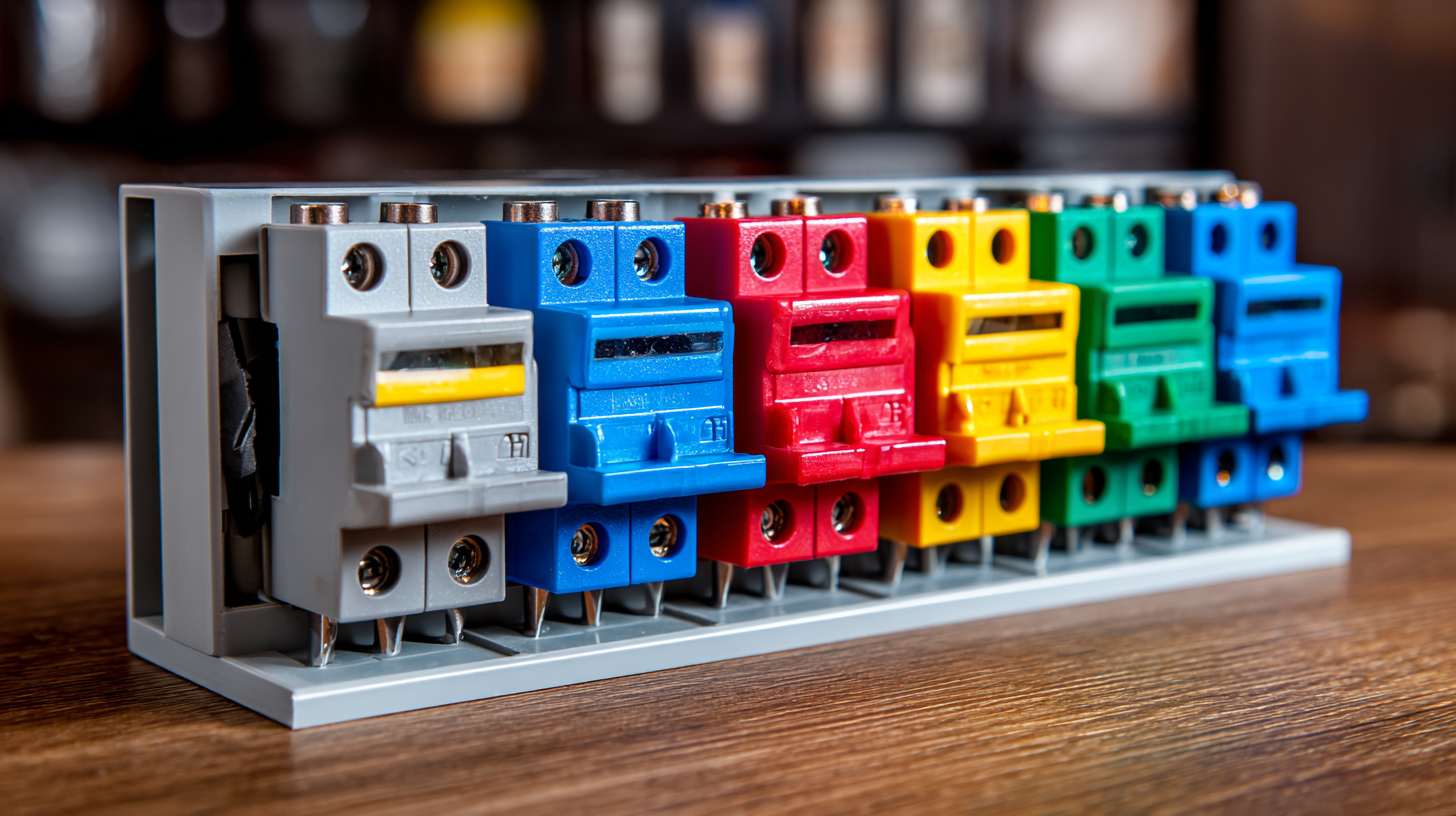
When evaluating different types of electricity controllers for your home needs, it's essential to consider the specific functions and features that will best serve your requirements. Common types include smart plugs, programmable timers, and energy management systems. Smart plugs allow for remote control of appliances via a smartphone app, while programmable timers can automate lighting and other devices based on your schedule. Energy management systems provide real-time monitoring and can help optimize energy consumption throughout your home.
Tips: When choosing a smart plug, look for devices compatible with your existing smart home ecosystem for seamless integration. For programmable timers, select models with multiple settings to accommodate various schedules. If opting for an energy management system, ensure it has robust analytics tools that can help you track energy usage patterns over time.
Furthermore, consider the ease of installation and user-friendliness. Some devices may require professional installation or complex setup processes, while others can be easily configured. Prioritize options that offer intuitive interfaces and comprehensive customer support to enhance your experience. As you make your decision, remember to factor in your budget, ensuring you strike a balance between cost and functionality to meet your home's electricity management needs effectively.
Key Features to Look For in an Electricity Controller
When selecting the best electricity controller for your home, it's crucial to focus on key features that can enhance efficiency and convenience. First, consider the compatibility of the controller with your existing electrical systems and appliances. A reliable electricity controller should seamlessly integrate with various devices, allowing for easy monitoring and control of energy consumption. Look for features such as smart technology compatibility, which enables remote access through mobile apps, giving you the flexibility to manage your energy use from anywhere.
Another important feature to contemplate is the user interface. A controller with an intuitive and user-friendly design can significantly improve your experience, making it easier to navigate settings and access real-time energy data. Additionally, energy-saving capabilities like scheduling and automation can help you optimize your energy consumption. This means you can program the controller to turn off devices when they are not in use, which can lead to noticeable savings on your electricity bill. Ultimately, prioritizing these key features will ensure you choose an electricity controller that meets your home needs effectively.
Comparing Energy Efficiency and Costs
When choosing the best electricity controller for your home, it's essential to compare energy efficiency and costs to determine the most suitable option for your needs. Energy efficiency is a crucial factor as it affects both your electricity bills and the environmental impact of your energy consumption. Look for controllers that offer features designed to optimize electricity use, such as programmable settings, load balancing, and real-time consumption monitoring. These features not only help you reduce your energy usage but can also extend the lifespan of your appliances.
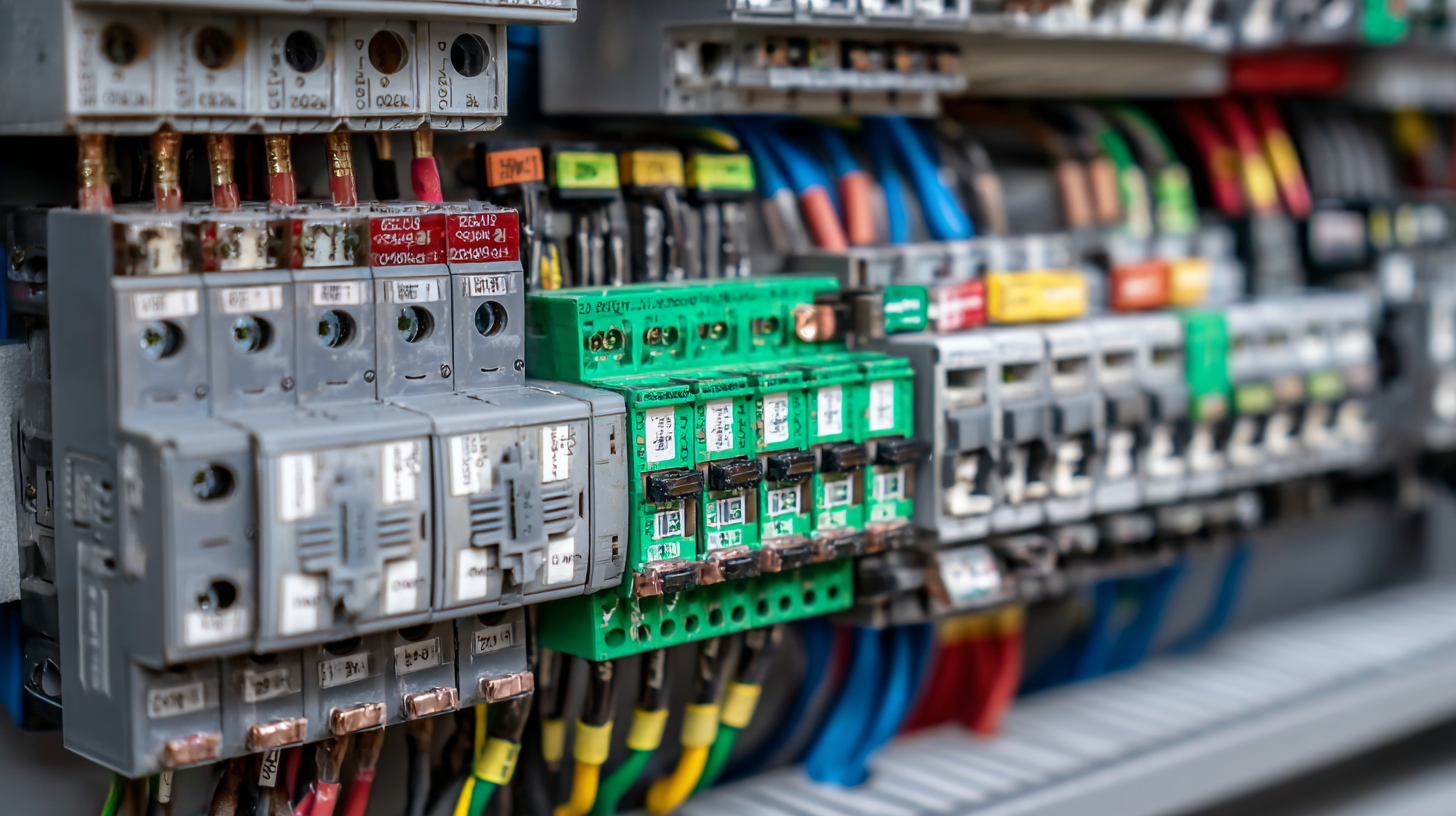
Cost is another significant consideration when selecting an electricity controller. While some controllers may have a higher upfront cost, their long-term savings on energy bills can make them more economical over time. It's wise to analyze the potential return on investment by factoring in energy savings, maintenance costs, and the expected lifespan of the device. Additionally, consider any available rebates or incentives for energy-efficient devices, as these can further offset initial costs and contribute to substantial savings in the long run. By carefully considering both energy efficiency and costs, you can make a more informed decision that aligns with your home energy needs.
Installation Options: DIY vs Professional Help
When choosing the best electricity controller for your home, one of the critical considerations is determining how you'll install it:
DIY or professional assistance.
DIY installations can be a cost-effective option for those who possess basic electrical knowledge and confidence in their skills. Many modern controllers come with user-friendly installation guides, making it accessible for homeowners to set them up without calling in a professional. However, it's essential to ensure that you adhere to safety regulations and understand your home's electrical system to avoid potential hazards.
On the other hand, hiring a professional electrician can take the guesswork out of the process, especially for those who may not be well-versed in electrical work.
Professionals bring expertise and experience, ensuring that the installation meets local codes and functions optimally.
This option can also save time and reduce stress, allowing homeowners to focus on other aspects of their home improvement projects. Ultimately, your decision should be based on your comfort level with electrical systems and the complexity of the controller you choose.
Reading Customer Reviews and Expert Recommendations
When selecting the best electricity controller for your home, paying attention to customer reviews and expert recommendations is essential. Customer reviews provide real-life experiences that can highlight the strengths and weaknesses of various models. Look for feedback on ease of use, reliability, and the responsiveness of customer service. A product that consistently receives high ratings for performance and durability is likely a solid choice.
Tips: Always read a range of reviews to get a balanced view. Pay attention to comments regarding the controller's compatibility with different devices in your home. Additionally, consider the star ratings and the number of reviews the product has received—higher quantities of reviews typically indicate a more reliable performance.
Experts can help guide your decision with their insights into the latest technologies and features. They often highlight essential aspects such as energy efficiency, installation requirements, and long-term cost savings. Following these recommendations can help ensure that you choose a controller that meets your household needs effectively.
Tips: Look for products that have been tested and vetted by reputable tech reviewers. They often provide in-depth comparisons that clarify how different models stack up against one another, helping you make an informed choice for your home electricity management system.
Conclusion
When selecting the best Electricity Controller for your home, it is crucial to first understand your specific electricity needs. This involves evaluating the various types of controllers available, whether they're designed for basic home use or more advanced applications. Key features to consider include compatibility with your existing systems, ease of use, and energy efficiency ratings. Additionally, comparing costs is vital to ensure you find a balance between quality and affordability.
Installation options play a significant role in your decision-making process. You may opt for a DIY installation if you have the necessary skills, or seek professional help for a more seamless setup. Reading customer reviews and expert recommendations can also provide valuable insights into performance and reliability. With over 27 years of expertise, Sichuan Injet Electric Co., Ltd. is well-positioned to offer innovative Electricity Controllers that cater to a wide range of needs, ensuring that you make an informed choice for your home’s energy management.


 Who we are
 Discover Who we are
 Power Solutions
 Discover Power Solutions
 Media
Media
 Discover Media
 Services
 Discover Our Services
 Get in touch