As industries push harder for better precision and efficiency, the importance of
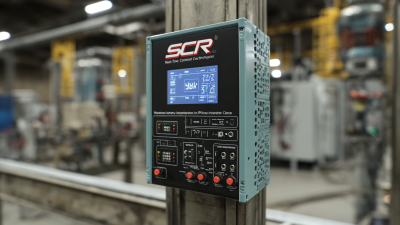
SCR Temperature Controllers has really taken center stage—they’re pretty much essential if you want things
to run smoothly across lots of different applications. I recently came across a market report that predicts the global
temperature controller market will hit about about $2.2 billion by 2027. A big part of
this growth is thanks to more automation and the rising demand for energy management solutions—pretty exciting stuff!
One company that’s really leading the charge is Sichuan Injet Electric Co., Ltd. They've been around for over
27 years, focusing on power solutions. What’s cool is their heavy investment in independent R&D, constantly coming up with
new innovations to keep up with the changing needs of various sectors.
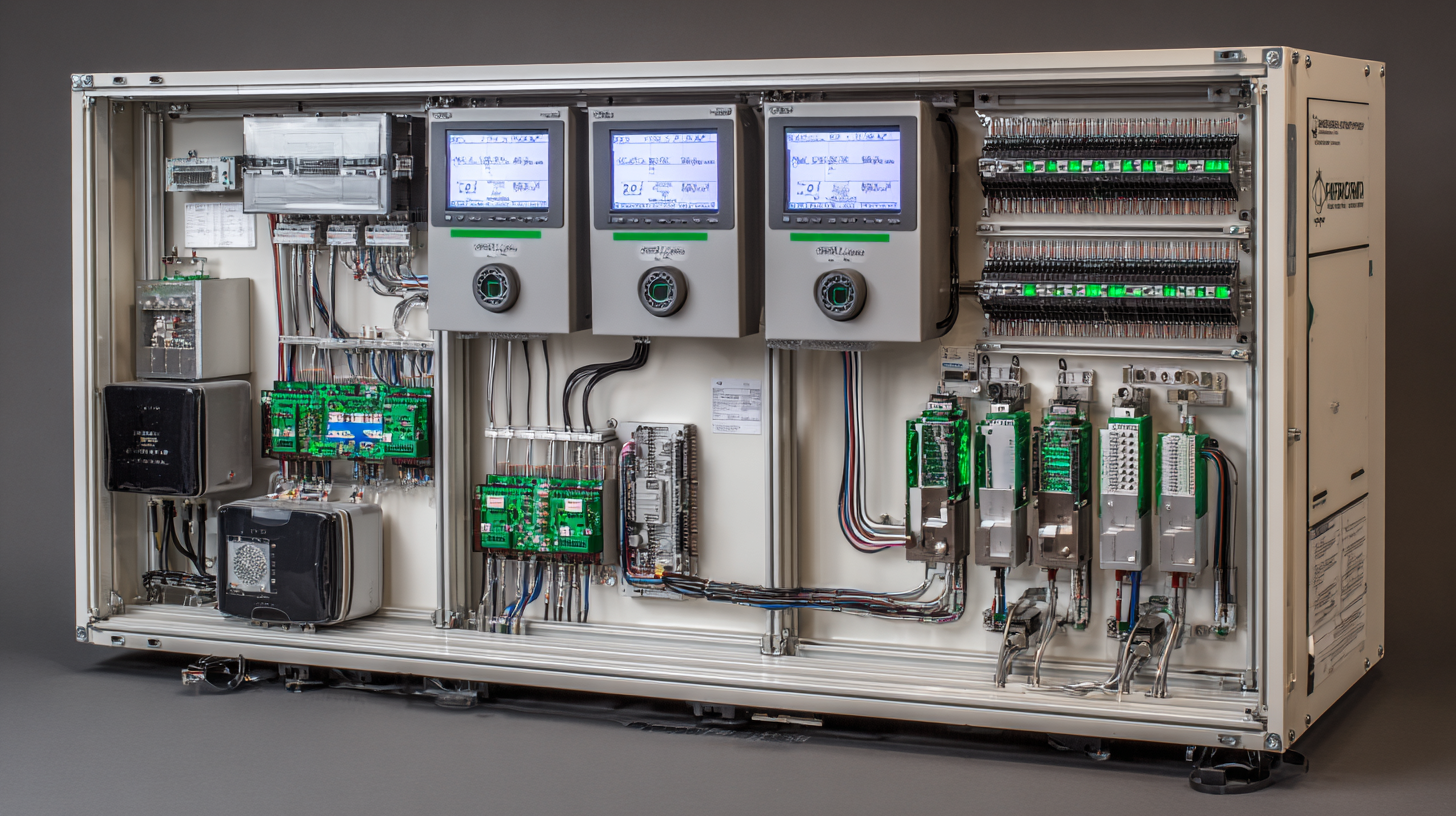
This guide's here to help you compare different SCR Temperature Controllers so you can make smarter
choices—ultimately helping your business run more efficiently and set you up for
future growth.
Understanding SCR Temperature Controllers: A Comprehensive Overview
SCR temperature controllers are really key players when it comes to industrial processes. They keep things running smoothly by precisely controlling the power sent to heating elements. Whether it's a single-phase or three-phase AC setup, these controllers work by adjusting how long they turn the power on and off, which helps fine-tune the temperature as needed. As industries push for better energy efficiency and aim to cut down on emissions, SCR controllers have become pretty much essential. They help get the job done efficiently while cutting back on waste.
Looking ahead, the market for SCR power controllers is expected to hit over $194.9 million in 2024, and it's projected to grow at about 5.5% annually through 2034. This growth mostly comes from the rising awareness around energy management in sectors like manufacturing, chemical processing, and food production. Meanwhile, regions like Europe, the Middle East, and Africa are also jumping on the bandwagon. Their market in this area is forecasted to exceed $48 million during the same period. Basically, adopting reliable power management tools is a big deal for businesses that want to be more efficient while also playing by the tough environmental rules out there.
Key Features to Consider When Comparing SCR Temperature Controllers
When you're shopping around for SCR temperature controllers, there are a few key things you really wanna keep in mind. First off, the accuracy and stability of the control are super important. A good SCR controller should keep temperatures precise and steady, so your equipment runs smoothly no matter what you’re working on. Look for models with smart algorithms that cut down on those annoying temperature swings — it really helps with consistent quality and reliability.
Another thing to think about is how user-friendly the controller is. Devices with clear, easy-to-read displays and straightforward controls can save you a bunch of time during setup and help avoid mistakes. Features like programmable set points, alarms, and the ability to monitor things in real time can make your workflow way smoother and more efficient. Also, don’t forget to check if it plays nice with your existing systems — seamless integration is a total game changer here.
Top Brands to Consider for Reliable SCR Temperature Controllers
When you're on the hunt for SCR temperature controllers that actually deliver, it’s really important to pick brands you can trust. Names like Omron, Fuji Electric, and Honeywell have been around the block and are well-known in the industrial world for sticking to quality and reliability. They each offer a variety of controllers suited to all sorts of needs—whether you're just managing simple temperature tasks or running complex processes.
For instance, Omron catches your eye with its user-friendly interfaces and solid features, making it a good choice whether you're just starting out or you're a seasoned pro. Their controllers are pretty precise and respond quickly, which can make a big difference in keeping your system running smoothly.
Then there's Fuji Electric, which is all about durability—these controllers hold up well even in tough conditions, so they’re perfect for heavy-duty industries. And Honeywell? They've got it all covered, with integrated hardware and software solutions that make it super easy to fit temperature control into larger automation setups.
Looking into these brands should help you find the perfect SCR temperature controller to keep things running at their best, no matter what your specific application might be.
Evaluating Performance Metrics of SCR Temperature Controllers
When you're looking into SCR temperature controllers, it’s super important to pay attention to how they perform—this really makes a difference in industrial setups. Some of the main things to look at are precision, response time, and stability.
Precision, for example, is all about how accurately the controller keeps the temperature steady—crucial for processes that need tight thermal control. A high-precision SCR controller doesn’t let fluctuations get out of hand, which is great because it means better product quality and less waste.
Then there's response time—basically, how quickly the controller reacts when something changes. A fast response is key because it helps prevent things like overheating or underheating, keeping everything within the right limits. And let's not forget stability. That’s all about how consistently the controller can hold a set temperature over time. A stable controller doesn’t wobble or drift too much, which is essential for operations that need a steady environment.
If you focus on these performance aspects, you’ll be able to pick an SCR temperature controller that really fits your needs, helping your process run smoother, more efficiently, and with less worry about temperature swings.
Common Troubleshooting Tips for SCR Temperature Controllers
When you're working with SCR (Selective Catalytic Reduction) temperature controllers, it's pretty important to keep an eye on common troubleshooting tips to make sure your emissions system is running smoothly. A lot of times, folks run into issues with the Diesel Particulate Filter (DPF), but ignoring the SCR can really lead to some big inefficiencies. One of the main things to watch out for is the temperature inside the SCR system — keeping it properly regulated is key for the catalytic reactions that turn nasty NOx gases into harmless nitrogen and water.
Sometimes, problems with these controllers pop up due to faulty sensors or miscalibrations. That can result in not enough heating, which means the conversion process doesn't work as well as it should. It's a good idea to regularly check the settings and make sure sensors are accurate — it might save you a lot of trouble down the line. Oh, and don’t forget to keep an eye on the Diesel Oxidation Catalyst (DOC) too. If there are blockages or if it’s not working right, it can make things worse and mess up the whole system. By staying on top of these components and understanding how they all work together, diesel vehicle owners can avoid costly repairs and stay within emissions limits without too much hassle.
The Ultimate Guide to Comparing SCR Temperature Controllers Performance
Choosing the Right SCR Temperature Controller for Your Application
Choosing the right SCR temperature controller for your setup isn't just about picking any model —
you really need to understand what your system actually needs. Different industries have pretty different temperature control requirements,
so going for a one-size-fits-all solution can end up costing you in efficiency, or worse. Think about things like the
operating temperature range, how precise you need the control to be, and what kind of load you're dealing with.
For example, an industrial oven probably calls for a controller that’s super accurate and quick to respond, whereas
a simple heating blanket might not need such fancy specs.
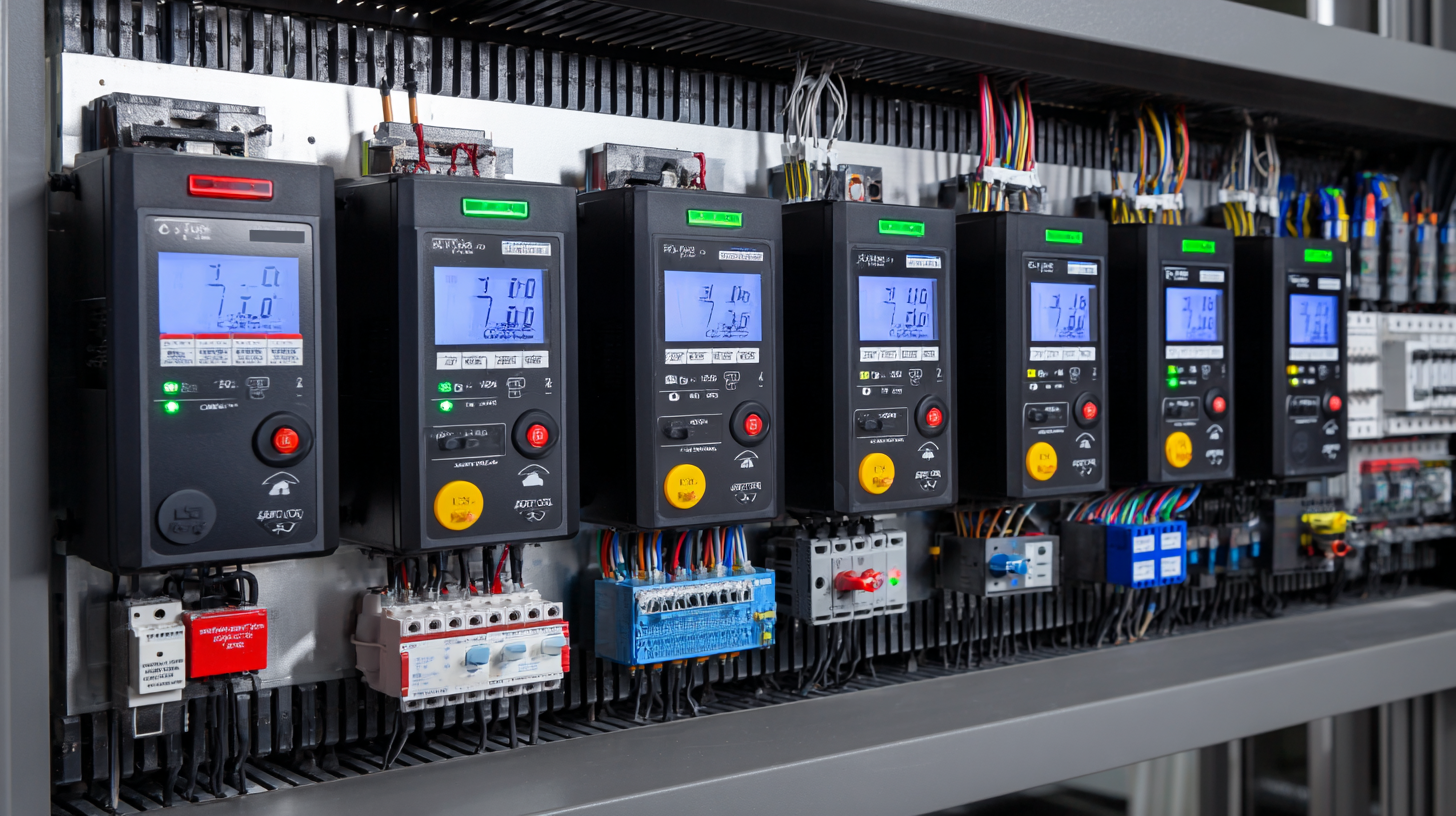
Also, don’t forget to check if the SCR temperature controller plays nicely with your existing system components. It's important that it communicates smoothly with your sensors and interfaces —
seamless integration really makes a difference. Look out for features like easy programming, a
user-friendly interface, and reliable feedback systems that let you monitor and tweak things in real-time. Taking the time to evaluate these aspects means you’ll make a smarter choice,
one that boosts efficiency and keeps your system running reliably — all tailored to what you actually need.
Honestly, a little bit of research here can go a long way in making sure you’re not just buying something that sort of works,
but that actually fits your application perfectly.
Maximizing Efficiency and Reliability with SCR DC Power Supply Systems: A Comprehensive Guide
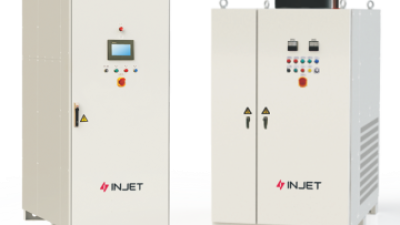
In the quest for maximizing efficiency and reliability in industrial applications, SCR (Silicon Controlled Rectifier) DC power supply systems have emerged as an essential technology. The DS series SCR DC Power Supply System, developed by INJET, stands out as a pinnacle of innovation and experience in this field. Combining years of engineering expertise with cutting-edge design, these systems ensure that industries relying on electrolysis, electroplating, gold treatment, surface treatment, and industrial furnaces can operate at optimal performance while maintaining exceptional stability.
The DS series is engineered to deliver high-quality power solutions that meet stringent requirements across diverse industrial sectors. The reliability of INJET's SCR technology ensures that users benefit from a consistent power supply that significantly enhances productivity and reduces downtime. With features tailored for various applications, the DS series provides not only a robust power source but also flexibility, making it an ideal choice for industries seeking to enhance their operational efficiency and reliability. As industries continue to evolve, integrating dependable power solutions like the DS series will be crucial for sustained success in an increasingly competitive landscape.
FAQS
: SCR temperature controllers regulate power to heating elements with precision, playing a crucial role in managing temperature in various industrial processes.
SCR controllers can operate under either single-phase or three-phase AC voltage.
They optimize performance while minimizing waste, helping industries achieve greater energy efficiency and reduced emissions.
The market for SCR power controllers is projected to exceed $194.9 million in 2024, with a CAGR of 5.5% anticipated through 2034.
Recommended brands include Omron, Fuji Electric, and Honeywell, known for their reliability, advanced technology, and robust offerings.
Consider the specific requirements of your system, including operating temperature range, precision needs, load type, and compatibility with existing components.
Seamless integration and effective communication with existing sensors and interfaces are vital for the optimal performance of the SCR temperature controller.
Look for advanced programming options, user-friendly interfaces, and reliable feedback systems that allow for real-time monitoring and adjustments.
Selecting the appropriate controller tailored to specific application needs enhances efficiency and improves overall system reliability, preventing inefficiencies.
Yes, SCR temperature controllers are utilized in diverse sectors, including manufacturing, chemical processing, and food production, addressing their specific temperature control needs.
Conclusion
If you're into industrial automation, then you know how important it is to really get a grasp on SCR temperature controllers. This guide is pretty much your go-to for understanding the key features you'd want to look at when comparing different models. Picking the right one isn’t just about price – it’s about matching the controller to your specific needs. I’ve included some insights into the top brands that are known for being reliable, plus some handy tips for evaluating performance so you can make smarter decisions. This way, your operations will run more smoothly, with better efficiency and precision.
And hey, I didn’t forget about troubleshooting! The blog also covers some practical, no-nonsense advice for common issues you might run into with SCR temperature controllers. That way, you can jump right back on track with minimal downtime. At the end of the day, choosing the right controller really makes a difference, whether you’re working in manufacturing, processing, or other industrial setups. With over 27 years under their belt, Sichuan Injet Electric Co., Ltd. really knows their stuff. They focus on innovation and reliability—making their power solutions something you can count on if you're serious about high-quality temperature control systems.


 Who we are
 Discover Who we are
 Power Solutions
 Discover Power Solutions
 Media
Media
 Discover Media
 Services
 Discover Our Services
 Get in touch