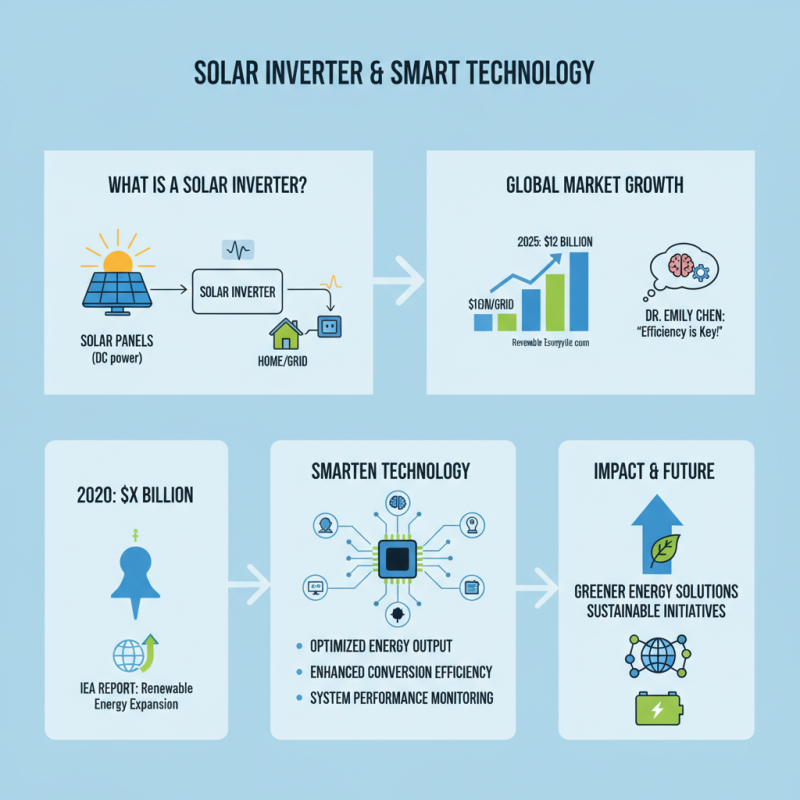
In the fast-changing world of renewable energy, solar inverters are pretty much the unsung heroes when it comes to turning sunlight into usable electricity. If you’ve been keeping an eye on the industry, you’ve probably seen reports from the International Energy Agency (IEA) predicting that the global market for these inverters could hit around $12 billion by 2025. That’s mainly because more and more folks are installing solar panels, and tech behind these inverters keeps getting better and better. For example, take the Smarten Solar Inverter—it's packed with all the latest tech to squeeze out more energy and make solar systems run smoother overall.
Experts like Dr. Emily Chen, who’s a pretty big name in renewable tech circles, highlight how crucial advanced inverter systems are. She points out, “The way solar inverters perform can really make or break the efficiency of solar setups. Things like the innovations we see in the Smarten Solar Inverter show how technology can help turn solar potential into real, practical energy.” When these smart-inverter techs are in play, they don’t just boost energy output—they also push us toward more sustainable energy goals. Basically, they’re key players in the shift to greener energy solutions. With constant tech improvements and a push for more renewable projects, it’s safe to say how important the Smarten Solar Inverter really is—its role can’t be overstated.
What is a Solar Inverter?
A solar inverter is a critical component of any solar power system, as it serves the essential function of converting
direct current (DC) generated by solar panels into
alternating current (AC), which is the form of electricity used by most household appliances.
By transforming the energy captured from sunlight, solar inverters enable homeowners and businesses to utilize solar energy
effectively and efficiently. Additionally, they play a vital role in
monitoring the performance of the solar energy system, ensuring optimal energy production
and providing insights into energy consumption patterns.
The efficiency of a solar inverter can significantly impact the overall performance of a solar energy system. Innovations
in smart technology have led to the development of advanced inverters that feature enhanced capabilities, such as
real-time monitoring and
data analytics. These smart inverters can adjust their operations based on
conditions such as sunlight intensity, temperature, and energy demand. By optimizing the conversion process and reducing
energy losses, smart solar inverters improve the overall efficiency of solar installations, ultimately maximizing
energy output and savings for users.
Types of Solar Inverters and Their Functions
Solar inverters are essential components of photovoltaic systems, converting the direct current (DC) generated by solar panels into alternating current (AC), which can be used by home appliances and fed into the electricity grid. There are several types of solar inverters, each designed to meet different needs and applications. The most common types include string inverters, micro-inverters, and central inverters. String inverters are typically used in residential installations, linking several solar panels together in series. They offer a cost-effective solution for smaller systems but can limit performance if one panel is shaded or underperforming.
Micro-inverters, on the other hand, are attached to each individual solar panel, allowing for independent operation. This arrangement maximizes energy harvest, especially in scenarios where shading occurs or panels are oriented in different directions. Central inverters are primarily used for large-scale solar farms. They handle a greater amount of power and can be more efficient for large systems but require a more complex setup. Understanding these types of solar inverters and their functions is crucial for optimizing a solar energy system's effectiveness and efficiency. Smarten technology has emerged to enhance these systems further, aiming to maximize energy output and ensure that solar installations run at peak performance.
The Role of Solar Inverters in Solar Energy Systems
Solar inverters play a crucial role in solar energy systems by converting the direct current (DC) generated by solar panels into alternating current (AC), making it suitable for use in household appliances and the electrical grid. According to a report by the International Renewable Energy Agency (IRENA), solar inverters account for about 15-20% of the total cost of a solar power system. Their efficiency largely determines the overall performance and energy yield of the solar installation. With advancements in technology, modern solar inverters have become more efficient, achieving conversion efficiencies exceeding 98%. This advancement significantly enhances the net power output, ensuring that households and businesses can maximize their solar investments.
Furthermore, smart technology embedded in solar inverters contributes to improved operational efficiency and system monitoring. Features such as real-time performance tracking and predictive maintenance capabilities allow users to optimize energy output and reduce downtime. As noted in the latest report from Wood Mackenzie, the integration of smart inverters contributes to a 10-20% increase in energy yield over traditional inverter systems. These enhancements not only make solar energy more accessible by improving performance but also support the reliability of the electrical grid, particularly as more renewable energy sources are integrated. This combination of improved efficiency and advanced technology positions solar inverters as vital components in the transition towards sustainable energy solutions.
Introduction to Smarten Technology in Inverters
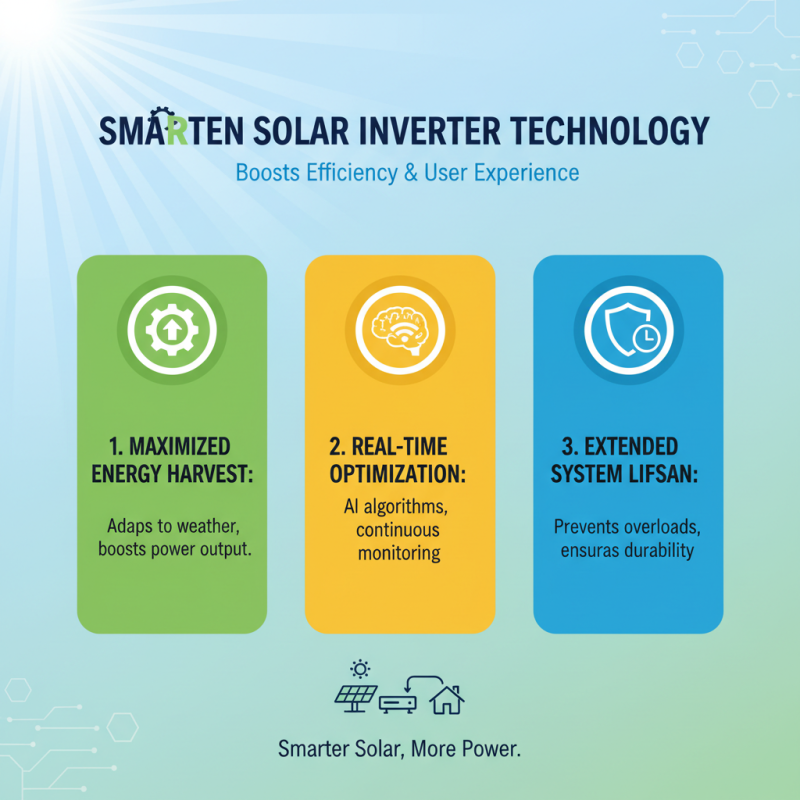
Smarten technology in inverters represents a significant advancement in solar energy conversion, enhancing both efficiency and user experience. This innovative technology integrates advanced algorithms and real-time data analysis to optimize the performance of solar inverters. By continuously monitoring various environmental and operational parameters, smart inverters can adjust their operation to maximize energy harvest from solar panels, even under fluctuating weather conditions. This adaptability not only improves energy output but also extends the lifespan of the solar systems by preventing potential overloads and inefficiencies.
Moreover, Smarten technology facilitates better communication and connectivity. Users are now able to leverage mobile applications and web interfaces to monitor energy generation and consumption in real time. This transparency empowers users to make informed decisions about their energy usage, contributing to more efficient overall system operation. With features such as remote diagnostics and proactive maintenance alerts, Smarten technology not only simplifies the management of solar systems but also ensures optimal performance, ultimately leading to a reduction in operational costs and enhanced sustainability in energy use.
How Smarten Technology Enhances Energy Efficiency
Smarten technology plays a pivotal role in enhancing the energy efficiency of solar inverters, which are essential devices in solar energy systems. By efficiently converting direct current (DC) generated by solar panels into alternating current (AC) usable in homes and businesses, smart technology integrates advanced algorithms and intelligent monitoring systems to optimize performance. These innovations facilitate real-time data analysis and diagnostics, ensuring that the solar inverter operates at peak efficiency under various environmental conditions.
One of the key features of Smarten technology is its ability to adapt to changes in sunlight and temperature. This adaptability allows the solar inverter to adjust its processes, minimizing energy loss and maximizing output. Furthermore, smart inverters often include load management capabilities, which can dynamically allocate energy usage based on demand. This leads to smarter energy consumption patterns, helping users to make informed decisions about their energy use and contributing to overall grid stability. By harnessing these advancements, Smarten technology not only boosts the efficiency of solar inverters but also plays a crucial role in promoting sustainable energy solutions.
Benefits of Using Smarten Technology in Solar Inverters
The integration of Smarten Technology into solar inverters presents a significant leap forward in energy efficiency and overall performance. By utilizing advanced algorithms and real-time data processing, these smart inverters optimally manage energy generation and consumption. According to a report by the International Energy Agency (IEA), the efficiency of solar inverters can be significantly enhanced, leading to an increase in energy yield by up to 20%. This capability is especially crucial as solar energy becomes an increasingly viable option in the global energy sector, with the potential to meet an estimated 30% of global electricity needs by 2030.
Another noteworthy benefit of Smarten Technology is its ability to facilitate predictive maintenance. By continuously monitoring and analyzing performance metrics, these inverters can predict failures before they happen, reducing downtime and maintenance costs. A market analysis by Bloomberg New Energy Finance indicates that smart inverters can result in a 15-30% reduction in operational costs for solar systems. Furthermore, the enhanced communication capabilities enable better integration with energy management systems, allowing for dynamic response to grid demands and optimizing the use of renewable energy sources, ultimately contributing to a more resilient and efficient energy infrastructure.
Future Trends in Solar Inverter Technology and Efficiency Improvements
The future of solar inverter technology is shaped by remarkable advancements aimed at enhancing efficiency and sustainability. A significant trend is the incorporation of smart technologies, which leverage artificial intelligence and machine learning algorithms. These innovations enable solar inverters to optimize energy conversion processes by dynamically adjusting to real-time environmental conditions and grid demands. As a result, solar systems are becoming increasingly responsive, ensuring maximum energy harvest and minimizing losses.
Another critical area of development is the integration of energy storage solutions with solar inverters. This synergy allows excess energy generated during peak sunlight hours to be stored and utilized during periods of low generation. Such a combination not only enhances the overall efficiency of solar installations but also contributes to grid stability and reliability. Moreover, advancements in materials science are facilitating the production of more durable and efficient inverter components, leading to longer lifespans and reduced maintenance needs. As these technologies evolve, the solar energy landscape will significantly benefit, paving the way for cleaner and more reliable energy solutions.
Harnessing the Future: A Comprehensive Guide to Modular Energy Storage Inverters for Optimal Efficiency
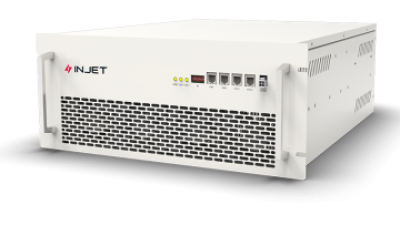
In the evolving landscape of energy solutions, the integration of modular energy storage inverters plays a critical role in enhancing efficiency and adaptability. The BCM series stands out as an exemplary solution for achieving AC/DC bidirectional conversion in energy storage systems. Utilizing an innovative three-level topology, it boasts significant advantages, including high efficiency and reduced harmonic distortion, which are crucial for modern power applications. According to the latest industry reports, optimizing inverter performance can lead to energy savings of up to 20%, highlighting the importance of efficient energy systems.
One of the key features of the BCM series is its modular design, which simplifies both installation and maintenance processes. This aspect is particularly advantageous for operations requiring scalability, allowing parallel connections of multiple modules. As a result, systems can achieve an impressive output expansion of up to 500kW, accommodating various application scenarios like power generation, grid support, and microgrid integration. With control functionalities that include constant power, constant current, and constant voltage, the BCM series ensures that users can effectively manage their energy needs, whether in grid-tied or off-grid configurations.
As the demand for sustainable energy solutions grows, modular energy storage inverters like the BCM series become indispensable. Industry data indicates that the global energy storage market is projected to reach over $540 billion by 2025, underscoring the necessity for adaptable and efficient energy management systems. By leveraging cutting-edge technology in energy storage inverters, stakeholders can enhance their operational efficiency and support the transition towards a more resilient energy infrastructure.
FAQS
: A solar inverter converts direct current (DC) generated by solar panels into alternating current (AC), which is used by most household appliances, enabling effective utilization of solar energy.
The efficiency of a solar inverter can significantly impact the overall performance of a solar energy system by optimizing energy conversion and minimizing energy losses, which maximizes energy output and savings.
Innovations in smart technology have led to the development of advanced solar inverters featuring real-time monitoring, data analytics, and the ability to adjust operations based on environmental conditions like sunlight intensity and temperature.
Smarten technology enhances efficiency by integrating advanced algorithms and intelligent monitoring systems that optimize performance, allow real-time data analysis, and ensure peak efficiency under varying environmental conditions.
Yes, smart solar inverters can adapt to changes in sunlight and temperature, which minimizes energy loss and maximizes energy output by adjusting their processes accordingly.
Load management capabilities allow solar inverters to dynamically allocate energy usage based on demand, leading to smarter energy consumption patterns and contributing to overall grid stability.
Solar inverters monitor the performance of solar energy systems, providing insights into energy production and consumption patterns, which helps users make informed decisions about their energy use.
Smart solar inverters boost energy efficiency, optimize energy output, and promote sustainable energy practices, aligning with goals for grid stability and responsible energy consumption.
Minimizing energy losses is crucial to maximize the overall efficiency of a solar energy system, which leads to greater energy savings for users and a reduced environmental impact.
Users benefit from enhanced energy efficiency, optimal energy output, informed energy consumption decisions, and contributions to sustainable energy solutions by utilizing smart solar inverters.
Conclusion
A solar inverter is a crucial component in solar energy systems, responsible for converting the direct current (DC) generated by solar panels into alternating current (AC) used by most household appliances. There are various types of solar inverters, each serving specific functions, from string inverters to microinverters, ensuring optimal energy conversion and distribution. The integration of Smarten Technology enhances the efficiency of solar inverters by utilizing advanced algorithms and real-time data analytics to optimize performance and reduce energy losses.
The Smarten Solar Inverter leverages this technology to improve energy efficiency, providing numerous benefits such as increased energy yield, better monitoring capabilities, and prolonged system lifespan. As the industry moves forward, future trends indicate a growing focus on innovation in solar inverter technology, aiming for even greater efficiency improvements and enhanced integration with smart grid systems. This evolution signifies a significant leap toward maximizing the potential of solar energy in a sustainable manner.


 Who we are
 Discover Who we are
 Power Solutions
 Discover Power Solutions
 Media
Media
 Discover Media
 Services
 Discover Our Services
 Get in touch