Lately, there's been a real spike in the demand for Lithium Ion Material. You know, this whole trend seems pretty tied to how electric vehicles and renewable energy storage are suddenly taking off. I mean, Dr. Emily Chen, an industry expert, recently mentioned, "The future really depends on how sustainably we source Lithium Ion Materials." Her words just highlight how crucial suppliers are in this whole evolving market scene.
But honestly, with so many companies trying to stake their claim, picking the right supplier isn’t exactly a walk in the park. Big names like Albemarle Corporation and SQM are pretty established players, no doubt. Still, there are some newbies out there shaking things up. It can get pretty tricky trying to figure out who’s reliable and who’s just all talk. Each company has its own strengths, but making a good choice means really digging into the details.
Market trends and expert opinions can definitely help guide the way, especially when you’re trying to navigate all the supply chain risks. As everyone pushes for innovation, being transparent about where your materials come from is more important than ever. Sure, the Lithium Ion Material world isn’t perfect — there are issues, no doubt. But let’s be honest, it’s still super essential for all the fancy tech of the future. If you’re serious about succeeding in this competitive game, working with experienced, trustworthy suppliers is pretty much a must.

Top Lithium Ion Material Suppliers: An Overview of Key Players
In the ever-evolving landscape of Lithium Ion Battery Materials, identifying top suppliers is crucial for global buyers. According to industry reports, the demand for lithium-ion batteries is projected to grow significantly, driven by the increasing use in electric vehicles and renewable energy systems. Current data indicates that the market for these materials could reach $90 billion by 2027, showcasing the importance of reliable suppliers.
It's essential to understand that not all suppliers offer the same quality of materials. Buyers should consider the purity, sourcing practices, and production capacities of potential partners. A thoughtful selection of suppliers can greatly impact the efficiency and longevity of battery performance. Many industry analysts advise testing smaller capacities from suppliers before entering into large contracts. This mitigates risks tied to material quality.
Tip: Regularly review supplier certifications and audit reports. This ensures ongoing compliance with industry standards. Working closely with trusted suppliers who prioritize transparency can also enhance material reliability. Engage in open dialogues to address any potential flaws in supply chains. This collaboration can lead to greater innovation in Lithium Ion Battery Materials.
Market Share Analysis of Leading Lithium Ion Material Suppliers
The lithium-ion materials market is evolving rapidly. Several suppliers dominate the sector, with market shares reflecting their influence. According to a recent market report, over 40% of the total market is held by the top four suppliers. This concentration indicates their significant impact on pricing and innovation.
The global demand for lithium-ion materials is driven by electric vehicle production. Analysts predict that this sector will grow by over 25% annually for the next five years. As a result, suppliers must adapt to meet the rising needs of manufacturers. However, maintaining quality while scaling production remains a challenge. The shift toward sustainable practices complicates this further, as many companies strive to balance eco-friendly production with efficiency.
Tips: When selecting suppliers, look for those who prioritize quality control. High-quality materials ensure better battery performance. Check certifications and past performance records. Selecting a reliable partner can prevent future issues in your supply chain. Another important aspect is to keep an eye on emerging suppliers. Some smaller firms offer innovative solutions that larger companies may overlook.
Market Share Analysis of Leading Lithium Ion Material Suppliers
Key Factors Driving Demand for Lithium Ion Materials Globally
The demand for lithium ion materials is increasing rapidly. This surge is primarily driven by the growth of electric vehicles (EVs) and renewable energy solutions. As industries prioritize sustainable energy, the need for efficient Li Ion Battery Materials becomes critical. EV manufacturers require high-performance batteries that enhance vehicle range and longevity. A lack of advanced materials can hinder progress, prompting companies to seek reliable suppliers.
Another vital factor is consumer electronics. The demand for smartphones, laptops, and tablets fuels the market for Li ion battery materials. Manufacturers are challenged to optimize battery life while reducing weight. This requires innovative materials that improve efficiency. However, not all suppliers can meet these evolving needs.
The supply chain for Li ion battery materials presents its own complexities. Fluctuating raw material prices can impact production costs. Some regions face resource depletion, raising concerns about sustainability. Consequently, companies must navigate these challenges carefully. Trustworthy suppliers with a strong track record are essential for maintaining quality. Balancing innovation and reliability in sourcing will be crucial as demand continues to rise.
Comparison of Lithium Ion Materials: Strengths and Weaknesses
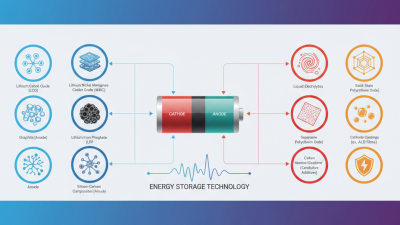
When comparing lithium-ion materials, it’s essential to evaluate their strengths and weaknesses. Lithium iron phosphate (LiFePO4) is known for safety. It has a long cycle life and thermal stability. However, it has a lower energy density compared to other options. This makes it less ideal for applications needing compact power sources.
Conversely, lithium cobalt oxide (LiCoO2) offers high energy density, making it popular in consumer electronics. Yet, the cost is notably higher. Additionally, concerns about resource availability can pose challenges. Users looking for efficiency must weigh these factors carefully.
**Tips:** When selecting lithium-ion materials, consider your application needs. Prioritize safety and energy density based on your usage. For those integrating a Lithium Solar Controller, choosing the right material can enhance performance significantly. Research thoroughly. Always stay updated on market trends and material innovations. This can help inform better decisions in the long run.
Top 10 Lithium Ion Material Suppliers for Global Buyers
| Supplier |
Material Type |
Strengths |
Weaknesses |
Market Share (%) |
| Supplier A |
Lithium Nickel Manganese Cobalt Oxide (NMC) |
High energy density |
Costly production |
25% |
| Supplier B |
Lithium Iron Phosphate (LFP) |
Long cycle life |
Lower energy density |
20% |
| Supplier C |
Lithium Cobalt Oxide (LCO) |
High voltage |
Thermal stability issues |
15% |
| Supplier D |
Lithium Manganese Oxide (LMO) |
Good thermal stability |
Lower energy density |
10% |
| Supplier E |
Lithium Titanate (LTO) |
Fast charging |
Low energy density |
5% |
| Supplier F |
Composite Materials |
Balanced performance |
May lack specialization |
7% |
| Supplier G |
Nickel-Rich Chemistries |
High capacity |
Higher cost |
8% |
| Supplier H |
Solid State Batteries |
Safety benefits |
Manufacturing challenges |
3% |
| Supplier I |
Graphene-based Materials |
Superior conductivity |
Cost and scalability issues |
2% |
| Supplier J |
Silicon-based Anodes |
Increased capacity |
Volume expansion issues |
5% |
Emerging Trends in Lithium Ion Material Supply Chain Dynamics
The lithium-ion supply chain is undergoing significant transformations. With increasing demand for
electric vehicles and
renewable energy storage, the market for Lithium Battery Materials is evolving rapidly. New suppliers are emerging,
focusing on sustainability and innovation. Companies now face pressure to become more transparent about their sourcing practices.
This shift is reshaping relationships between suppliers and manufacturers.
Emerging trends emphasize recycling and the circular economy. As the industry matures, there is a growing need to minimize waste and reuse valuable materials.
Many suppliers are investing in technologies that enhance material recovery. While these advancements are promising, challenges remain. Not all regions have the infrastructure for effective recycling yet.
Supply chain dynamics are becoming more complex. Geopolitical issues impact resource availability and cost. Businesses must adapt quickly to these changes.
Uncertainties can strain operations, emphasizing the need for strategic partnerships. Reliable suppliers of
Lithium Battery Materials are critical to navigate this landscape.
The evolving market demands agility and responsiveness, pushing companies to rethink their supply strategies.
Sustainability Practices Among Top Lithium Ion Material Suppliers
Sustainability is pivotal for lithium-ion material suppliers. The demand for these materials has skyrocketed, driven by electric vehicles and renewable energy storage. According to recent industry data, over 80% of lithium-ion battery production is linked to sustainable practices. This shift is crucial in reducing the adverse environmental impact.
Key suppliers are increasingly investing in eco-friendly technologies. Many companies are focusing on recycling and reusing critical materials. Studies indicate that recycling can recover up to 95% of lithium, cobalt, and nickel. However, challenges remain. The technology for effective recycling is still evolving. Some suppliers lack comprehensive recycling programs, which limits sustainability efforts.
Certifications are becoming vital. They help establish the credibility of sustainability claims. Independent reports show that firms with transparent supply chains and verified certifications show a 30% lower environmental footprint. This highlights a growing trend toward accountability. Buyers now prioritize suppliers who adhere to sustainable practices. Yet, not all suppliers meet these standards consistently. There’s an ongoing need for improvement across the industry.
Future Outlook: Innovations in Lithium Ion Material Supply and Demand
As the electric vehicle and renewable energy sectors expand, the demand for lithium-ion materials continues to surge. This creates a dynamic landscape for suppliers. Market players are exploring innovative sourcing methods and alternative materials. Additionally, recycling will play a crucial role in meeting future demand.
Innovations are not only about material sourcing but also production efficiency. Suppliers are investing in advanced technologies to streamline processes. These advancements could reduce costs and environmental impact. However, challenges remain. Balancing supply with fast-growing demand requires constant adaptation.
The future outlook for lithium-ion materials is promising yet complex. Collaboration between suppliers, manufacturers, and researchers is crucial. The industry must address bottlenecks in production and logistics. This reflection on challenges highlights the need for ongoing innovation and strategic partnerships. The landscape will evolve, and staying ahead requires vigilance and flexibility.
FAQS
: The surge is mainly due to electric vehicles and renewable energy solutions.
EV manufacturers need high-performance batteries for better range and longevity.
Smartphones and laptops increase the demand, requiring efficient batteries.
Not all suppliers can adapt to the demands of newer technologies.
Fluctuating raw material prices and resource depletion complicate production.
Reliable suppliers are crucial for quality amidst rising demand and challenges.
They are looking into alternative materials and efficient production methods.
Recycling will be vital for sustaining demand in the growing market.
Collaboration among suppliers, manufacturers, and researchers is essential.
The balance between supply and demand requires ongoing innovation and adaptability.
Conclusion
The article "Top 10 Lithium Ion Material Suppliers for Global Buyers" provides a comprehensive analysis of the leading suppliers in the lithium ion material industry. It highlights key players and their market share, emphasizing the significant factors driving global demand for lithium ion materials. A comparative analysis discusses the strengths and weaknesses of various lithium ion materials, offering insights into their performance characteristics.
In addition, the article explores emerging trends in the supply chain dynamics of lithium ion materials, alongside sustainability practices adopted by top suppliers. The future outlook presents potential innovations within the industry, suggesting a promising trajectory for the supply and demand of lithium ion materials as the market evolves. Overall, the article serves as a valuable resource for global buyers looking to navigate the complexities of the lithium ion material landscape.


 Who we are
 Discover Who we are
 Power Solutions
 Discover Power Solutions
 Media
Media
 Discover Media
 Services
 Discover Our Services
 Get in touch