Picking the right inverter really matters when it comes to making your energy system efficient and eco-friendly. For example, the Smarten Inverter is pretty standout in the market because of its cutting-edge tech and solid reliability. Did you know that, according to the International Energy Agency, choosing the right inverter can boost your solar setup’s performance by about 15%? That’s a pretty big deal, and it just goes to show how important it is to do your homework before making a choice.
When you’re looking at a Smarten Inverter, it’s smart to consider features that really match your energy needs. Things like power output, efficiency, and warranty details are super important. A report from SolarPowerWorld back in 2022 pointed out that inverters make up roughly 10-20% of the total cost of a solar system. So, going for a high-quality, efficient inverter can make a real difference—not just now, but in how much you save over the long run.
A lot of folks forget to think about customer support and ease of installation, but those really matter too. A trusted brand like Smarten usually offers great after-sales service, which can make your whole experience way better. Still, some users do struggle a bit when trying to get everything set up or adjusted. That’s why it’s so important to do a bit of research beforehand—that way, you’re making a decision you can feel confident about. All in all, understanding these details helps you maximize your energy output and get the best bang for your buck.
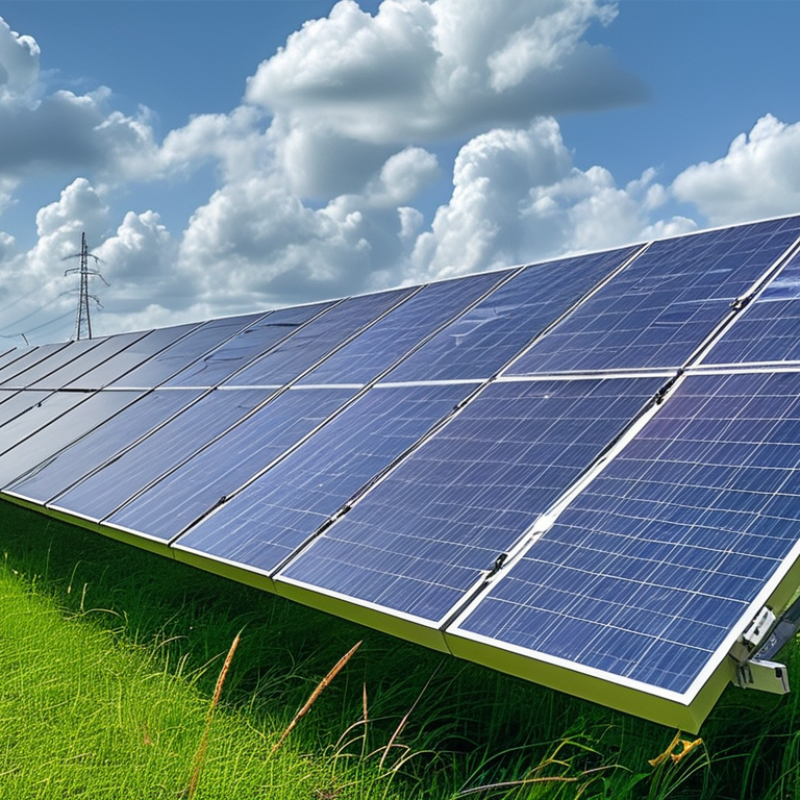
Understanding Smarten Inverter Technology: Key Features Explained
When selecting a solar inverter, understanding the technology behind it is crucial. A Smarten Solar Inverter stands out due to its innovative features. This technology ensures optimal energy conversion, making your solar power system efficient. The inverter transforms direct current (DC) into alternating current (AC) for home use. This function is foundational for the performance of your solar power system.
Efficiency ratings are an important metric to consider. They indicate how well the inverter converts energy. Many inverters might show high efficiency on paper but fail to perform under real-world conditions. Pay attention to warranties and reviews. Sometimes, users face issues with performance drops over time. Researching user experiences can provide essential insights.
Connectivity options also play a key role. Modern inverters often offer smart monitoring capabilities. These features let you track energy production and consumption. While this is convenient, it’s crucial to ensure the inverter's compatibility with your existing system. Security is another concern. An inverter should protect against surge damage convincingly. Thus, always look for comprehensive protection features.
Evaluating Inverter Efficiency: Importance of the European Efficiency Standard
When selecting an inverter, understanding efficiency is crucial. The European Efficiency Standard provides a reliable way to evaluate this. This standard helps determine how well an inverter converts DC power to AC power. Higher efficiency means lower energy loss, which leads to cost savings on electricity bills.
An important aspect of this evaluation is the concept of ‘Euros’—a metric that quantifies efficiency. While many consider wattage when choosing, the focus should also be on this metric. A more efficient inverter not only performs better but often has a longer lifespan. Some might assume high wattage guarantees efficiency, but that’s not always the case.
In real-world scenarios, inefficiencies can arise from various factors. Installation placement, temperature fluctuations, and system compatibility all play a role. Users often overlook these aspects, resulting in subpar performance. Evaluating efficiency with the European Standard can guide buyers in avoiding common pitfalls and making informed decisions. Investing in the right inverter is not simply about power; it's about maximizing energy usability in everyday settings.
Assessing Power Rating: Matching Inverter Capacity with Energy Needs
When choosing the right inverter, assessing its power rating is essential. It dictates how effectively the inverter can convert energy for your needs. A 10 Kw Solar Inverter, for instance, is ideal for a medium-sized household with significant energy consumption. But, how do you know if this capacity fits you?
Start by evaluating your energy requirements. Calculate your average energy usage by examining your utility bills. List your essential appliances and their power needs. Then, match this data with the inverter's capacity. A 10 kW solar inverter can typically handle multiple devices running simultaneously. However, it is crucial to consider peak usage times, which may overload a lower-capacity inverter.
Reflect on future energy needs as well. Are you planning to expand your solar system? Will your energy consumption increase? These questions can impact your decision. Sometimes, customers overshoot power ratings because they overlook their actual needs. Choosing an inverter that's too powerful can result in wasted resources and higher upfront costs. Balance efficiency with practicality to ensure a sound investment.
Top Tips for Choosing the Right Smarten Inverter - Assessing Power Rating: Matching Inverter Capacity with Energy Needs
| Inverter Type |
Power Rating (Watts) |
Suitable for |
Recommended Use Case |
| Pure Sine Wave |
3000W |
Sensitive electronics, home appliances |
Ideal for powering TV, computers, and high-end gadgets |
| Modified Sine Wave |
1500W |
Basic electronics, lights |
Suited for charging batteries and running lights |
| Hybrid Inverter |
5000W |
Solar energy systems, battery systems |
Great for off-grid systems and maximizing solar use |
| Grid-Tie Inverter |
4000W |
Solar energy systems with grid connection |
Efficient for reducing energy bills and net metering |
Considering Battery Compatibility: Ensuring Seamless Integration
Choosing the right smart inverter involves understanding battery compatibility. A seamless integration of components can enhance overall performance. When selecting an inverter, consider the specifications of your batteries. Not all inverters work with every battery type. This mismatch can lead to inefficiencies and potential power issues.
Accuracy in matching an inverter to your battery system is essential. If your inverter, like a 10000 Watt Inverter, isn’t compatible, it may not harness the full power of your batteries. This could lead to underperformance. Pay attention to voltage and capacity ratings. Small discrepancies can cause significant operational problems down the line.
You also need to account for the future. Are you planning to upgrade your battery system later? Your smart inverter should allow for potential expansion. This thoughtfulness saves you from unnecessary expenses in the future. Always research and review the technical specifications carefully. Misjudgments could lead to costly mistakes that affect your energy efficiency.
Analyzing Warranty and Support: Importance of Manufacturer Reliability
When choosing a smart inverter, examining warranty and support is pivotal. A reliable manufacturer should provide transparent warranty details. The duration of coverage often reflects confidence in product durability. For instance, a solid warranty on a 10kva Hybrid Inverter can give peace of mind. However, some manufacturers might limit support, which could lead to frustrations later.
Customer service quality is another key consideration. Waiting for responses or facing language barriers can be frustrating. Opting for brands known for their responsive support can save time and headaches. Reading user reviews can often reveal patterns in customer experiences—positive or negative. Companies that prioritize customer satisfaction tend to inspire trust.
Lastly, consider the repair and replacement parts availability. Not all manufacturers guarantee easy access to components. This may pose a problem if issues arise after the warranty period ends. Reflecting on potential difficulties can help you make a well-informed choice. Reliability is not just about the product but also about the ongoing support you might need.
Cost-Benefit Analysis: Understanding Total Cost of Ownership for Inverters
When considering an inverter, a cost-benefit analysis is crucial. Total cost of ownership includes initial purchase price, installation, and maintenance. Understanding these factors helps in making an informed decision. It’s easy to overlook hidden costs, like repairs and energy inefficiency over time.
The initial cost often draws attention, but longevity impacts overall spending. Some inverters may seem affordable upfront, yet require excessive maintenance or replacement. Researching reviews and user experiences can shed light on this aspect. Consulting with professionals about long-term efficiency will reveal potential drawbacks.
Installation costs can also vary. Professional installation may seem pricey. However, improper setup can lead to performance issues and higher costs later. Monitoring system performance regularly is essential to ensure you maximize your investment. Taking the time to analyze these details can ultimately save money and increase satisfaction.
Exploring User Reviews and Industry Ratings: Inverter Performance Insights
When selecting an inverter, user reviews and industry ratings are crucial. Users often share insights on performance under various conditions. According to the latest industry report, approximately 75% of users emphasize efficiency and reliability. These factors greatly influence their purchasing decisions. User reviews indicate that inverters must handle peak loads effectively. Some products fall short, leading to dissatisfaction.
Performance insights reveal that temperature and load management significantly impact inverter longevity. Higher temperatures can reduce efficiency by up to 20%, based on recent tests. Users frequently report issues with overheating, especially during peak usage times. It's essential to choose an inverter that offers temperature control features. This information is invaluable in making an informed decision.
Tip: Pay attention to user feedback regarding installation ease and maintenance. Many reviews suggest that complicated setups can be frustrating. Opt for models that simplify the process. Additionally, consider the warranty offered. A strong warranty reflects a manufacturer's confidence in their product's durability. Reliable brands often provide generous coverage periods. This can save costs in the long run.
FAQS
: Inverter efficiency is crucial because it determines how well DC power converts to AC power, minimizing energy loss.
The European Efficiency Standard measures how efficiently an inverter operates, quantifying its performance in a reliable manner.
Higher efficiency reduces energy loss, which can result in lower electricity bills over time, benefiting the user financially.
‘Euros’ is a metric used to quantify inverter efficiency, helping buyers assess performance beyond just wattage.
Installation placement, temperature changes, and system compatibility can all lead to inefficiencies, often overlooked by users.
Total cost of ownership includes upfront costs, maintenance, and efficiency that can affect long-term spending significantly.
A low initial price may mask hidden costs, like high maintenance or replacement needs, affecting total investment later.
Improper installation may lead to significant performance issues and increased costs, outweighing initial savings from professional installation.
Regular performance monitoring can ensure optimal operation, saving money and improving satisfaction with the investment.
Buyers should focus on efficiency metrics and long-term performance rather than just wattage for a better overall choice.
Conclusion
When choosing the right Smarten Inverter, it's essential to understand its technology and key features. Evaluating inverter efficiency through the European Efficiency Standard ensures optimal energy usage. Additionally, assessing the power rating is crucial for matching inverter capacity with your specific energy needs, while considering battery compatibility guarantees a seamless integration with existing systems.
Furthermore, analyzing the manufacturer's warranty and support is vital for ensuring reliability and peace of mind. A thorough cost-benefit analysis will help you understand the total cost of ownership for the inverter. Finally, exploring user reviews and industry ratings can provide valuable insights into inverter performance, enabling you to make an informed decision that aligns with your energy requirements and investment goals.


 Who we are
 Discover Who we are
 Power Solutions
 Discover Power Solutions
 Media
Media
 Discover Media
 Services
 Discover Our Services
 Get in touch