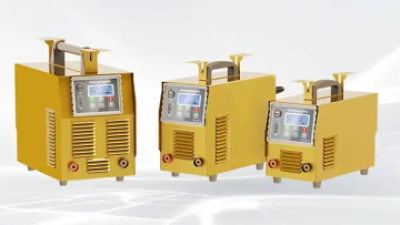
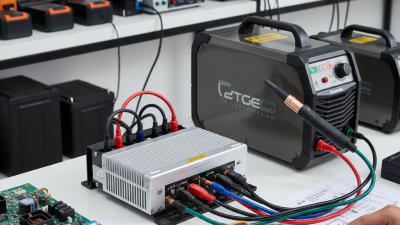
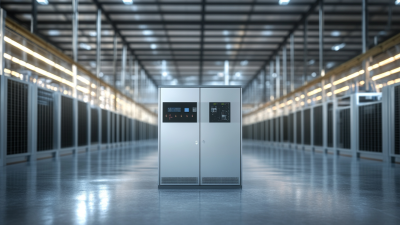
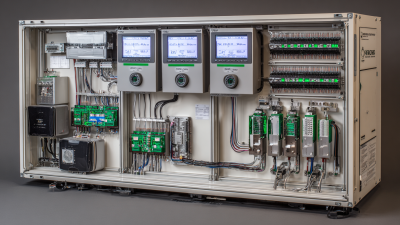
Lately, using Electric Inverters in business setups has become pretty essential. They really help boost efficiency and cut down on costs. A lot of companies notice more stable power, which means spending less on operations. For instance, businesses that rely on AC phase controlled electric fusion welding machine Electric Fusion Welding Machine see a big difference thanks to the steady voltage that inverters provide.
Reliability's another biggie here. Companies need power that’s consistent so they don’t have to worry about unexpected shutdowns. Electric Inverters really step up in keeping things steady. That said, some folks tend to overlook the upfront cost of getting these inverters. But honestly, focusing only on the initial expense can be a bit shortsighted. Sure, it takes a bit of investment upfront, but in the long run, those savings really add up.
Plus, Electric Inverters are great for energy management. They can tweak their output based on what's needed at the moment, which means less waste and lower energy bills. With everyone aiming for greener solutions these days, adopting inverters just makes sense. It’s super important for businesses to recognize these perks and see the potential for improvement instead of sticking to the old ways.
Understanding Electric Inverters and Their Functionality
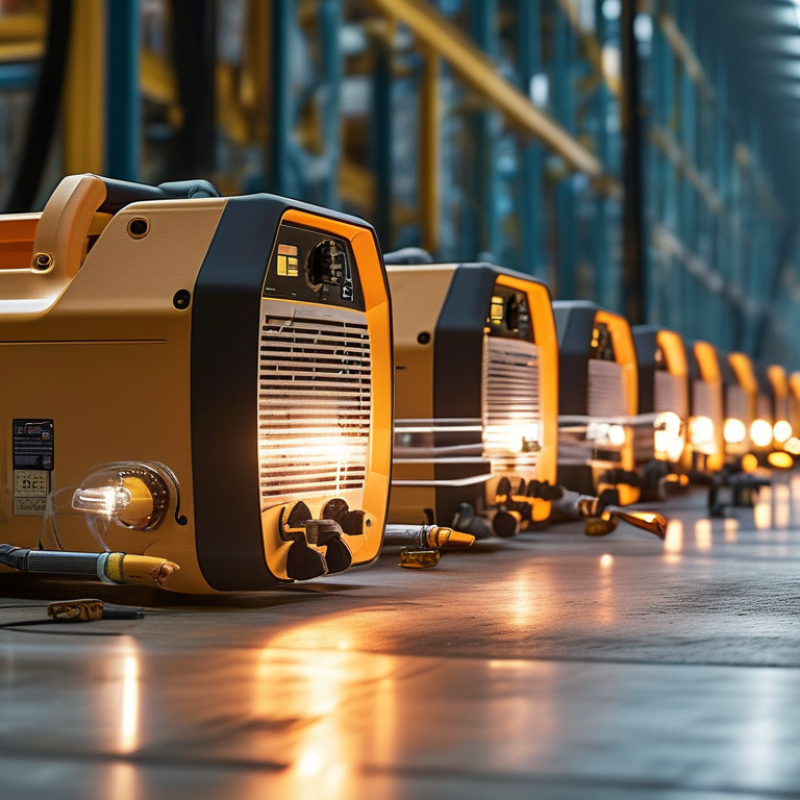
Electric inverters play a crucial role in converting direct current (DC) into alternating current (AC), making them essential for various business applications. They ensure a consistent power supply by efficiently managing voltage levels. According to a report by Global Market Insights, the demand for inverters is projected to grow at a staggering rate of 9% annually through 2027. This growth is attributed to the increasing adoption of renewable energy solutions in commercial sectors.
Inverters can enhance energy efficiency, which is vital for businesses aiming to reduce operational costs. They can increase the effectiveness of renewable energy systems, such as solar panels. A study by the U.S. Department of Energy indicated that systems utilizing inverters can achieve efficiency levels exceeding 95%. However, businesses must also consider the complexities in installation and maintenance. While the benefits are substantial, they are not without challenges. Inverters require proper configuration, and misalignment can lead to energy losses.
Moreover, the integration of smart technology into inverters offers advanced monitoring capabilities. This allows businesses to track energy performance in real-time. Yet, it can also add a layer of complexity. Ensuring staff are trained to handle this technology is crucial. The balance between leveraging advanced technology and maintaining operational simplicity is a point of reflection for many businesses.
Key Advantages of Electric Inverters for Businesses
Electric inverters are gaining traction among businesses due to their numerous benefits. They enable smooth conversion of direct current (DC) to alternating current (AC), which is essential for countless operations. According to a report by the International Energy Agency, businesses adopting inverter technology can enhance energy efficiency by up to 30%. This efficiency is crucial in reducing operational costs and optimizing energy use.
Another advantage lies in the reliability of power supply. Inverters can stabilize power fluctuations and provide backup power during outages. About 25% of companies experience revenue losses due to power interruptions, as stated by the Electrical Reliability Council of Texas. This risk can deter growth and innovation. Inverters mitigate this threat, ensuring continuity and protect critical infrastructure. The initial investment may be high, yet the long-term savings and reliability often justify the expense.
Energy independence is yet another compelling reason. Businesses can harness renewable sources like solar energy effectively with inverters. The U.S. Department of Energy indicates that companies switching to renewable energy can potentially cut energy costs by 50% over time. This transition not only promotes sustainability but also positions a company as an environmentally responsible entity. Adopting inverters can facilitate this strategic shift while boosting brand credibility.
What Are the Benefits of Using Electric Inverters for Business? - Key Advantages of Electric Inverters for Businesses
| Advantage |
Description |
Impact on Business |
| Energy Efficiency |
Electric inverters optimize energy usage, converting power more efficiently. |
Reduces electricity costs, leading to significant savings over time. |
| Power Quality |
Provides stable and clean power, minimizing disturbances in sensitive equipment. |
Improves operational efficiency and reduces equipment failures. |
| Flexibility |
Supports various applications and can be used across multiple industries. |
Enhances the scope of operations and adaptability to changes in demand. |
| Reduced Carbon Footprint |
Enables the use of renewable energy sources, decreasing reliance on fossil fuels. |
Promotes sustainability, enhancing corporate image and compliance with regulations. |
| Lower Maintenance Costs |
Inverters often require less maintenance compared to traditional power systems. |
Minimizes downtime and prolongs the lifespan of equipment. |
Cost Savings: How Electric Inverters Reduce Energy Expenses
Businesses are constantly seeking ways to cut expenses. One effective approach is the use of Electric Inverters. These devices convert DC power into AC power and are essential in renewable energy setups. Their efficiency can lead to significant cost savings over time.
When businesses adopt electric inverters, they experience lower energy bills. The technology optimizes electricity usage. This means businesses pay only for what they consume. Additionally, electric inverters can extend the life of equipment. They provide stable power, reducing wear and tear on machines. However, the initial investment in electric inverters may seem steep. Some companies may hesitate, fearing they won't see immediate returns.
Using electric inverters also opens doors to smart energy management. Businesses can monitor usage more effectively. This helps in identifying wasteful practices. While the reliability of electric inverters is generally high, occasional issues can arise. Regular maintenance is necessary to ensure optimal performance. It’s crucial for businesses to weigh these factors before making a decision.
Enhanced Energy Efficiency: Maximizing Output with Inverters
Electric inverters have become a pivotal component for businesses striving to enhance energy efficiency. By converting direct current (DC) to alternating current (AC), inverters optimize power consumption, resulting in reduced energy waste. According to a report by the International Energy Agency, companies can see an energy savings of up to 20% when using electric inverters. This can significantly lower operational costs and improve the bottom line.
In addition, electric inverters facilitate more effective use of renewable energy sources. Businesses harness solar or wind energy efficiently, allowing for a seamless integration into their systems. A study by the Renewable Energy Association indicates that companies utilizing inverters paired with renewable technologies can boost energy efficiency by more than 30%. This highlights a promising pathway for businesses focusing on sustainability.
However, while the advantages are evident, challenges remain. Not all businesses maximize the potential of Electric Inverter For Home or commercial applications. Sometimes, improper sizing or installation can lead to inefficiencies. Regular maintenance is crucial, and many companies overlook this aspect. Understanding these factors can help businesses fully unlock the benefits of their inverter systems. Energy management is not just about installing technology; it's about maintaining and optimizing its use.
Environmental Benefits of Using Electric Inverters in Business
Electric inverters play a crucial role in modern business operations, especially regarding environmental sustainability. By converting direct current (DC) from sources like solar panels to alternating current (AC), these inverters facilitate the use of renewable energy. According to the U.S. Department of Energy, integrating
Solar And Electric Inverters
can reduce greenhouse gas emissions by up to 80% in commercial settings. This transition not only minimizes carbon footprints but also enhances a company's reputation as a green leader.
In addition to emissions reduction, electric inverters improve energy efficiency. Businesses can significantly cut energy costs by optimizing power usage. A report by the International Renewable Energy Agency (IRENA) indicates that companies utilizing solar and electric inverters can see savings of up to 30% on their electricity bills. However, initial investments in inverter technology can be substantial. Companies must evaluate whether these upfront costs align with long-term financial goals.
Furthermore, the reliability of these systems can vary. Inverters require careful monitoring and maintenance to ensure optimal performance. Faulty systems may not only waste energy but could also lead to increased operational costs. Thus, businesses must weigh the benefits against the challenges of adopting solar and electric inverter technology.
Reliable Power Supply: Ensuring Continuity with Electric Inverters
Ensuring a reliable power supply is crucial for any business. Electric inverters play a key role here. They provide consistent energy, preventing downtime during outages. For industries that rely on machinery, like welding, this reliability is non-negotiable. An Inverter electric fusion welding machine, for instance, can function seamlessly even when the main power source is unstable.
Inverters also protect equipment from power surges. Fluctuations in voltage can damage sensitive machinery. By stabilizing the power supply, inverters extend the lifespan of equipment. This not only saves money on repairs but also enhances productivity. However, businesses must ensure their inverter systems are regularly maintained. Neglect can lead to unexpected failures, counteracting the benefits of having a backup power source.
Moreover, the initial cost of electric inverters may seem high. Companies often question if the investment is justifiable. Yet, the potential savings from avoiding downtime usually outweigh this expense. A thoughtful analysis of power usage and business needs can lead to better decision-making. Relying on electric inverters is a step towards sustainability and efficiency in operations.
Choosing the Right Electric Inverter for Your Business Needs
Choosing the right electric inverter for your business needs is essential for maximizing efficiency and reliability. Electric inverters convert direct current (DC) to alternating current (AC), providing stable power for various applications. When selecting an inverter, consider factors like power requirements, efficiency ratings, and installation needs. Understanding these criteria can help you find the best fit.
Tips: Assess your power needs based on the total wattage of your equipment. It’s crucial to choose an inverter with a higher capacity for unexpected demands. Also, consider features like automatic shut-off and overload protection.
Another critical aspect is efficiency. Inverters with high efficiency ratings waste less energy, leading to lower operational costs. However, striking a balance between efficiency and price can be challenging. Sometimes, investing in a slightly higher priced unit pays off in the long run. Ensure you analyze warranties and customer reviews before making a purchase.
Tips: Don’t hesitate to return an inverter if it doesn’t meet your expectations. Testing in a controlled environment may reveal its true performance. Documenting your experience can provide valuable insights for future purchases.
Innovative Applications and Benefits of the DPS Series IGBT Electric Fusion Welding Machine
The DPS Series IGBT Electric Fusion Welding Machine represents a significant leap forward in the field of pipeline connection technologies. Utilizing high-frequency inverter rectification technology, this machine is notably compact and lightweight, making it an ideal solution for various applications in the installation and maintenance of polyethylene (PE) pipelines. Given the increasing demand for reliable and efficient welding methods in the piping industry, the DPS series stands out by enhancing performance while ensuring ease of transport and handling.
In recent industry reports, it has been noted that the global market for fusion welding machines is poised for substantial growth, projected to reach a market size of several billion dollars by 2026. This growth is driven by the expanding infrastructure needs in both developed and emerging markets. The DPS series is specifically designed for electrofusion and socket connections in both pressurized and non-pressurized pipelines, addressing a critical requirement in sectors such as water distribution, gas supply, and waste management. Its capabilities not only streamline operations but also enhance the quality of welds, ensuring the longevity and integrity of pipeline systems.
Additionally, the lightweight nature of the DPS series reduces strain on operators and allows for greater flexibility during installation. This aspect is essential as many projects require mobility and quick setup times. With advancements in technology, electric fusion welding has become more precise, and the DPS series exemplifies this trend, offering innovative solutions that meet the evolving demands of the industry. Such enhancements position the DPS series as a beneficial asset for companies looking to optimize their operational efficiency while maintaining high standards in pipeline integrity.
FAQS
: Electric inverters convert direct current (DC) to alternating current (AC), optimizing power consumption and reducing energy waste.
Companies can achieve energy savings of up to 20% with electric inverters, significantly lowering operational costs.
They allow for effective integration of renewable sources, boosting energy efficiency by more than 30%.
Improper sizing or installation can lead to inefficiencies, and many overlook the importance of regular maintenance.
Consider power requirements, efficiency ratings, and installation needs to find the best fit for your business.
Higher efficiency ratings waste less energy, potentially leading to lower operational expenses, balancing price and performance is key.
Look for features like automatic shut-off and overload protection to enhance safety and efficiency.
Don’t hesitate to return it. Testing in a controlled environment may reveal true performance.
Regular maintenance ensures optimal performance. Neglecting it can diminish the benefits of the inverter system.
Keep records of performance and any issues. This can help inform future purchasing decisions and improve understanding.
Conclusion
Electric inverters play a crucial role in modern businesses by converting direct current (DC) into alternating current (AC), ensuring a reliable power supply. The key advantages of electric inverters for businesses include significant cost savings through reduced energy expenses, enhanced energy efficiency, and a positive impact on the environment. By maximizing output and optimizing energy use, businesses can not only lower their operational costs but also contribute to sustainability efforts.
Moreover, electric inverters offer a dependable power solution that safeguards against outages, ensuring continuity in operations. When selecting the right electric inverter for specific business needs, it's essential to consider factors such as capacity and efficiency to fully leverage these benefits. Overall, incorporating electric inverters can lead to substantial improvements in both financial performance and environmental responsibility for businesses.


 Who we are
 Discover Who we are
 Power Solutions
 Discover Power Solutions
 Media
Media
 Discover Media
 Services
 Discover Our Services
 Get in touch