In today’s fast-changing industrial world, making sure your induction heater power supplies are running at maximum efficiency isn’t just a good idea — it’s pretty much essential for manufacturers looking to up their game, boost productivity, and cut down on energy costs. If you’ve seen recent reports from MarketsandMarkets, you know the global induction heating market is expected to hit around USD 2.33 billion by 2026. That’s a clear sign that more industries are craving smarter, more advanced power solutions. Companies like Sichuan Injet Electric Co., Ltd. have been in the game for over 27 years, using their deep experience and independent R&D to create innovative, dependable power systems.
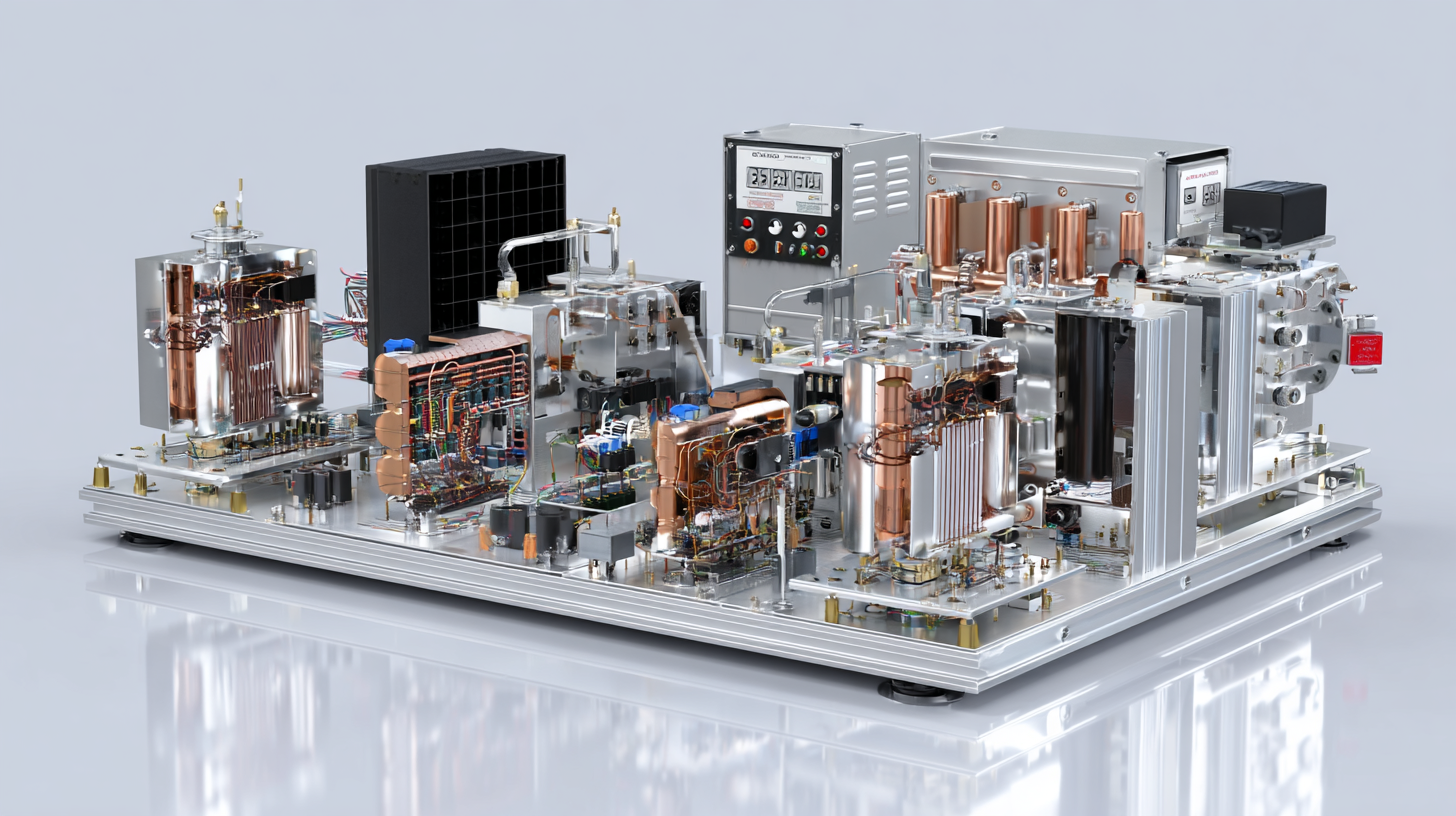
Focusing on optimizing induction heater power supplies isn’t just about staying competitive—it’s also about helping the planet. As the industry shifts toward greener tech, improving efficiency can really make a difference. In this blog, I’ll share some of the top strategies to help you get the most out of your systems, so your operations remain ahead of the curve and ready for the future.
Understanding Induction Heater Power Supply Basics: Key Concepts and Terminology
Induction heating tech has really gained a lot of traction across different industries lately, mainly because it’s so quick and efficient. To make the most out of induction heaters, it’s pretty important to understand the basics of their power supplies. Stuff like frequency, how much power they output, and the load they’re working with are all key points. I came across a report from ResearchAndMarkets that says the global market for induction heating could hit around $3.16 billion by 2026. That growth is mainly thanks to cooler power supply tech and more and more uses in manufacturing.
When you’re talking about induction heater power supplies, a couple of terms are super important—like 'operating frequency.' For most uses, that’s somewhere between 20 kHz and 1 MHz. Higher frequencies are usually for smaller, precision heating jobs, while lower ones are better for deeper heating in bigger metal pieces. Also, efficiency really matters—modern induction systems can actually reach over 90% efficiency, which is awesome because it cuts down energy costs and saves money in the long run.
For companies wanting to get the most out of their processes, picking the right power supply can really boost stability and speed up cycle times. When the power supply is matched well to the load, heat gets distributed evenly, and that helps the equipment last longer. According to the International Energy Agency, fine-tuning induction heating can slash energy use by as much as 40%. That just goes to show how powerful a good understanding of induction heater power supplies can be—that’s where the real savings and improvements come from.
Efficiency of Induction Heater Power Supplies
This chart illustrates the efficiency of different types of induction heater power supplies based on their power ratings. The data highlights the efficiency percentage at varying power outputs.
The Role of Power Factor in Induction Heating Efficiency: Insights and Data
When you're working with induction heating, the power factor is actually pretty important if you want things to run smoothly and efficiently. Basically, the power factor tells you how effectively your equipment is turning electrical energy into useful heat. If you've got a high power factor, it means your system is using power pretty efficiently. But if it's low, you might be wasting energy—that's not great because it can lead to higher costs and even cause your components to overheat. So, if you're serious about optimizing your system, making sure your power factor is as close to perfect as possible should be a top priority.
To really get the most out of induction heating, it’s a good idea to look at both how your power supply is designed and how your induction coil is set up. Adding power factor correction devices can make a big difference—they help cut down on energy waste caused by reactive power. Also, keeping your load conditions just right and making sure your equipment is properly calibrated can boost efficiency even more. When you pay attention to these little details, not only will your system perform better, but you’ll also save some money in the long run and do your part for the environment. It’s all about small tweaks that add up to better, more efficient operation overall.
Optimizing Temperature Control: Techniques for Enhanced Performance
Getting the temperature just right in induction heating systems is pretty important if you want things to run smoothly and efficiently. You see, how precisely you control the temperature can really make or break the quality of what's being heated — whether it’s making sure products come out consistent or keeping energy bills in check. I came across a report from the International Energy Agency that says using smarter temperature control tech can cut down energy use in industrial heating by up to 20%. That’s a pretty big deal! For industries that rely on strong, reliable heating, it’s definitely worth investing in advanced feedback systems and smarter control algorithms to keep temperature fluctuations in check and ensure everything heats evenly.
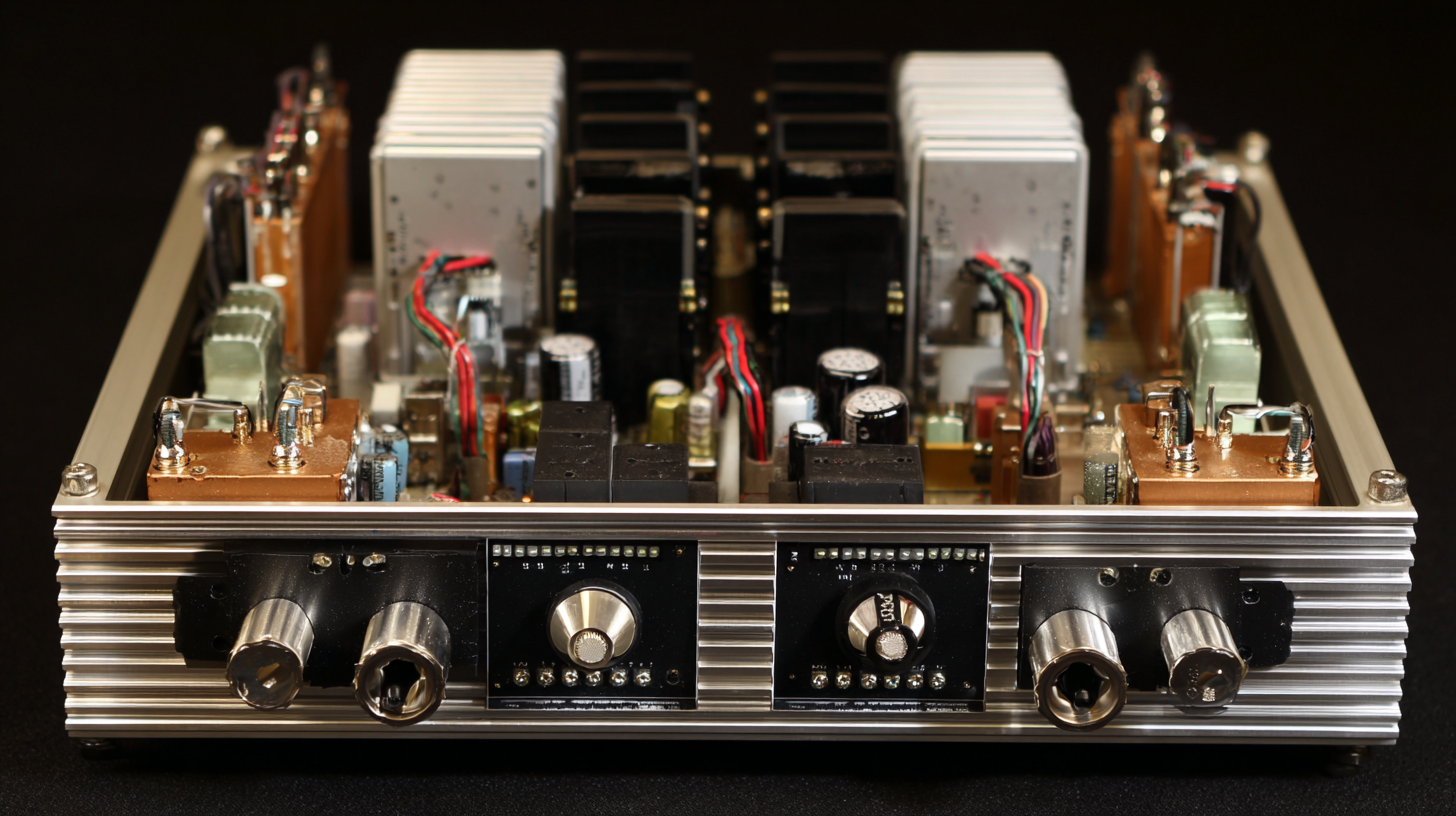
At Sichuan Injet Electric Co., Ltd., we’re super passionate about R&D. That drive has helped us develop power supplies that tackle exactly this need for precise temperature management in induction heating. With more than 27 years under our belt across different industries, we really understand what it takes. We use high-quality sensors and top-notch monitoring systems to make sure our induction heater power supplies stay at the right temperature — which is crucial whether you're working with metal processing or heating for food. These smart upgrades don’t just boost performance; they also help industries go greener by using less energy and reducing waste.
Trends in Induction Heating Technology: Innovations and Market Data
You know, induction heating technology has really been advancing quite a bit lately. It’s pretty exciting because these innovations are making a big splash across various industries—think metalworking, automotive, electronics—you name it. I was reading this recent market report from Grand View Research, and it’s actually predicting that the global market for induction heating equipment will hit around $1.8 billion by 2027. That’s a solid growth rate of about 7.2% annually. What’s driving this boom? Well, there’s a real push for energy-efficient heating solutions and smarter automation in production lines. Both are super important if companies want to keep things running smoothly and efficiently.
If your business is looking to tap into these trends, a good first step would be to look into modern induction heater power supplies. Products with smart controls and the ability to monitor things in real time can really make a difference. A little tip—go for power supplies that let you tweak the frequency. It’s a game-changer for getting the heating just right for different materials and tasks. Plus, don’t forget about thermal imaging tech; it’s fantastic for keeping tabs on temperature, avoiding overheating, and ultimately making your equipment last longer.
Another big trend is the move toward solid-state technology. From what I’ve seen, solid-state induction heaters can be up to 30% more efficient than the older, traditional models. That means lower energy use and, probably, a nicer bottom line on operational costs. If you’re thinking of switching over, just make sure to train your team properly. Understanding how these new systems work can really maximize your investment and keep everyone safe. As industries keep evolving, staying on top of these trends is crucial if you want to stay competitive. Trust me, it’s worth paying attention to these shifts—the future’s looking pretty bright for induction heating tech!”
Benchmarking System Efficiency: Comparing Induction Heating with Traditional Methods
You know, induction heating technology has really started to take off as a smarter and more efficient alternative to the old-school ways folks are used to. Basically, it uses electromagnetic fields to heat stuff up — and honestly, it’s pretty impressive how quickly and precisely it can do its thing. That kind of accuracy doesn’t just save energy; it also makes industrial operations run smoother and cheaper. When you’re checking out how efficient these systems are, it’s important to compare how much energy both induction heating and more traditional methods, like gas or electric resistance, are actually eating up. Some studies even suggest that induction heating can cut down energy use by as much as 30% compared to those older approaches — which is a big deal if a business wants to save some cash in the long run.
And let’s not forget the whole sustainability angle — switching to induction heating really makes a difference here. Unlike traditional options that often lose a lot of heat along the way or release emissions, induction heaters send almost all their energy straight into the material they’re heating up. That not only boosts productivity but also helps companies stick to environmental rules. Plus, as more and more organizations are serious about cutting down their carbon footprint, the advantages of moving over to induction heating really stand out. By picking the right power supplies for these systems, companies can fine-tune their processes, saving money and helping the planet at the same time — talk about a win-win, right?
Top Strategies for Maximizing Efficiency with Induction Heater Power Supplies
| Method |
Power Supply Type |
Efficiency (%) |
Operational Costs ($/hr) |
Heat Up Time (min) |
| Induction Heating |
High Frequency |
95% |
15 |
2 |
| Traditional Heating |
Resistance |
85% |
20 |
5 |
| Induction Heating |
Medium Frequency |
90% |
12 |
3 |
| Traditional Heating |
Induction |
80% |
18 |
6 |
Cost-Benefit Analysis: Evaluating the ROI of Upgrading Power Supplies
Upgrading the power supplies for induction heaters might seem like a small thing, but honestly, it can be a game-changer when it comes to boosting efficiency and getting a better bang for your buck. Recent studies have shown that thanks to Industry 4.0 tech, factories could see up to a 30% jump in efficiency and cost savings. When manufacturers crunch the numbers, they often find that swapping out old power supplies not only cuts down on energy bills, but can also speed up production and improve quality. And let’s face it, staying competitive in today’s market depends a lot on those little upgrades.
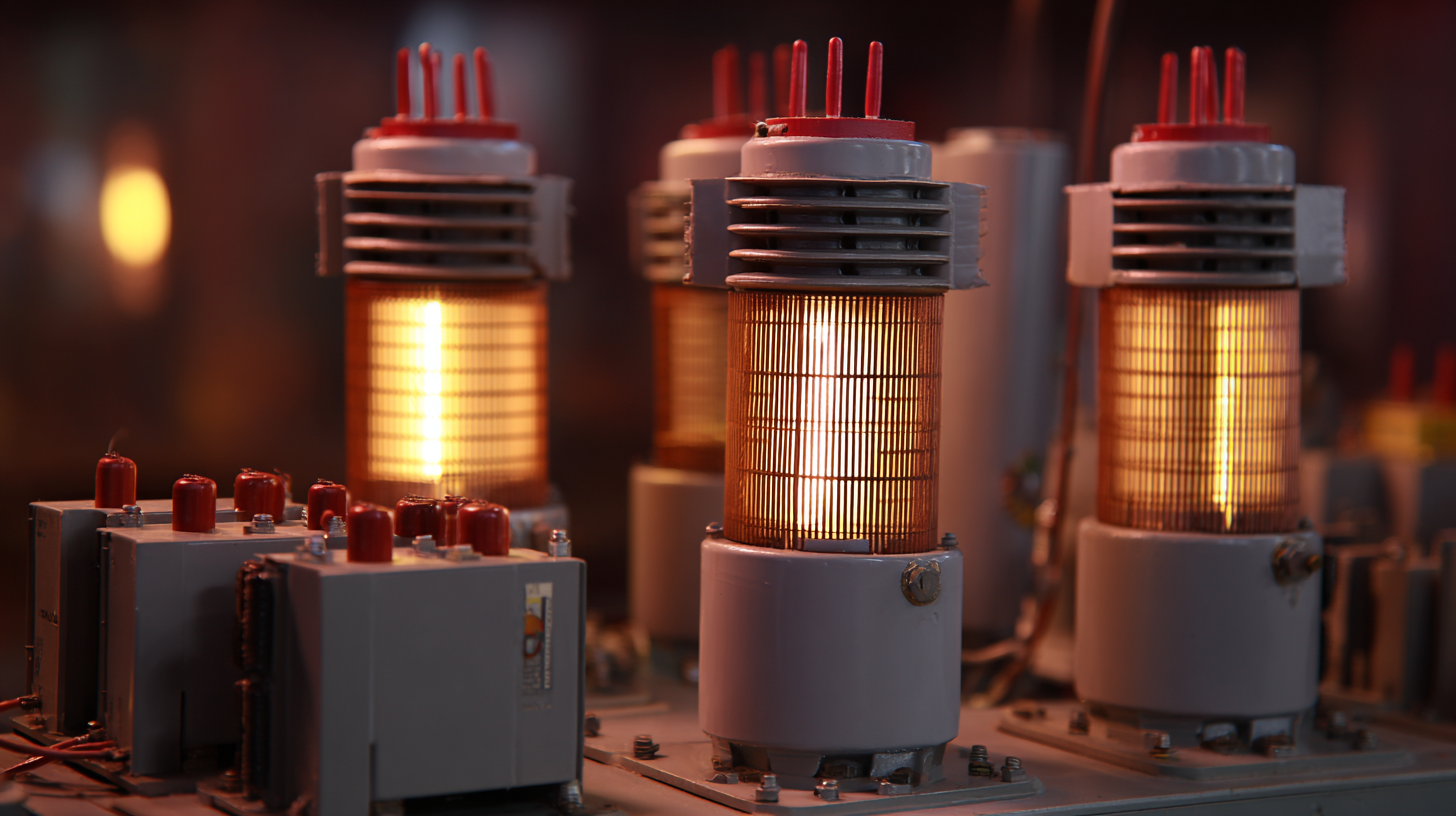
In the world of induction heating, a simple cost-benefit check often shows that newer power supplies can cut energy costs by anywhere from 15% to 25%, depending on what you're working with. Plus, with AI-powered management systems, things get even better—they can optimize how power is used and make the entire process more streamlined, leading to even more savings. Many companies experimenting with AI in manufacturing are seeing performance boosts and impressive ROI—that’s much more than what they spent upgrading. So, bottom line: investing in new power supply tech really pays off, not just for today, but for the future, helping manufacturers stay sustainable and ahead of the competition.
FAQS
: The power factor is a measure of how effectively electrical power is converted into useful work output, and it significantly influences the performance and efficiency of induction heater power supplies.
Optimizing the power factor is essential because a high power factor indicates efficient power usage, while a low power factor leads to energy waste, increased operational costs, and potential overheating of components.
Power factor correction devices can reduce losses associated with reactive power and improve energy consumption, leading to enhanced efficiency of induction heating applications.
Maintaining proper load conditions ensures that the induction heating equipment operates optimally, which can lead to further efficiency gains.
Modern power supplies can reduce energy costs for induction heating by 15% to 25%, depending on the specifics of the application.
Advancements in Industry 4.0 technologies can enhance efficiency and cost-effectiveness by up to 30%, improving both energy consumption and production quality in manufacturing.
AI-driven power management systems optimize power usage and streamline operations, which can lead to significant cost savings and improved operational performance.
Upgrading power supplies can significantly improve ROI for manufacturers by decreasing energy consumption, enhancing production speed, and improving quality, all of which are vital for competitive advantage.
Upgrading to more efficient power supply solutions supports sustainability by reducing energy usage and minimizing the environmental impact of manufacturing processes.
Operators should consider the design of the induction power supply, configuration of the induction coil, load conditions, and the calibration of the equipment to drive efficiency.
Conclusion
In today’s rapidly changing industrial scene, getting a good grasp of how induction heater power supplies work is pretty important if you want to get the most out of them. In this post, I’ll walk you through some of the key concepts and terminology that form the core of induction heating technology. We’ll talk about why power factor really matters and how it affects heating efficiency, plus look at some cool advanced techniques for better temperature control to boost performance.
We’ll also dive into the latest trends in induction heating—exploring some innovative developments and market insights—and compare how these systems stack up against traditional heating methods in terms of efficiency. Plus, I’ll share a practical cost-benefit breakdown to help you understand whether upgrading your power supply might be worth it from an ROI standpoint.
With over 27 years of experience in delivering power solutions, Sichuan Injet Electric Co., Ltd. is all about staying innovative. We’re dedicated to keeping our products at the cutting edge of the industry, helping you improve efficiency and performance across a variety of applications.


 Who we are
 Discover Who we are
 Power Solutions
 Discover Power Solutions
 Media
Media
 Discover Media
 Services
 Discover Our Services
 Get in touch