


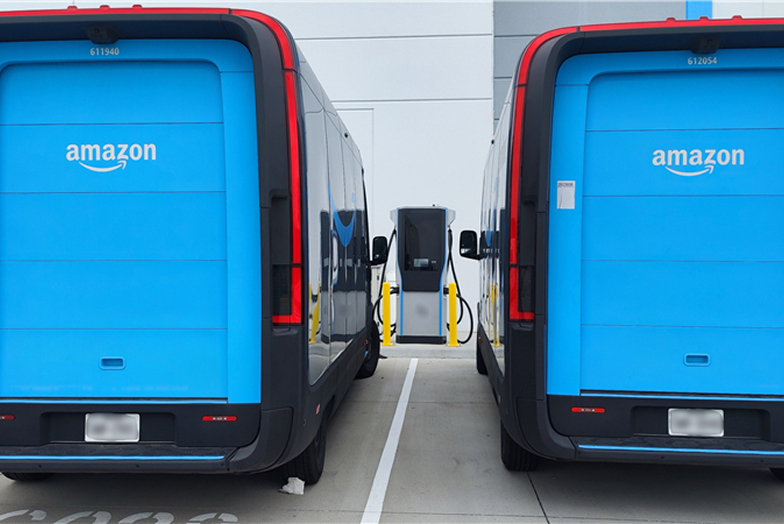
Delivery vans and electric trucks return with different battery levels, charging needs and departure times. Effective fleet depot charging must make good use of both available power and parked time. INJET provides integrated DC chargers and distributed charging systems, supported by remote monitoring and technical services, to help operators replenish vehicles, manage equipment and expand charging capacity as fleets grow.


Some vehicles stay overnight; others return only long enough to recharge between routes. Fleet EV charging should reflect the energy each vehicle needs and the time available to deliver it. Combining suitable charger power with flexible allocation helps your depot serve different charging needs and make better use of the hours before vehicles leave again.
A connected vehicle is not always receiving the charge your team expects. Visibility into charger status, energy delivered and fault information helps staff identify interrupted sessions and check vehicles that may need attention. This gives depot teams useful information for follow-up checks and charging decisions before the next shift begins.
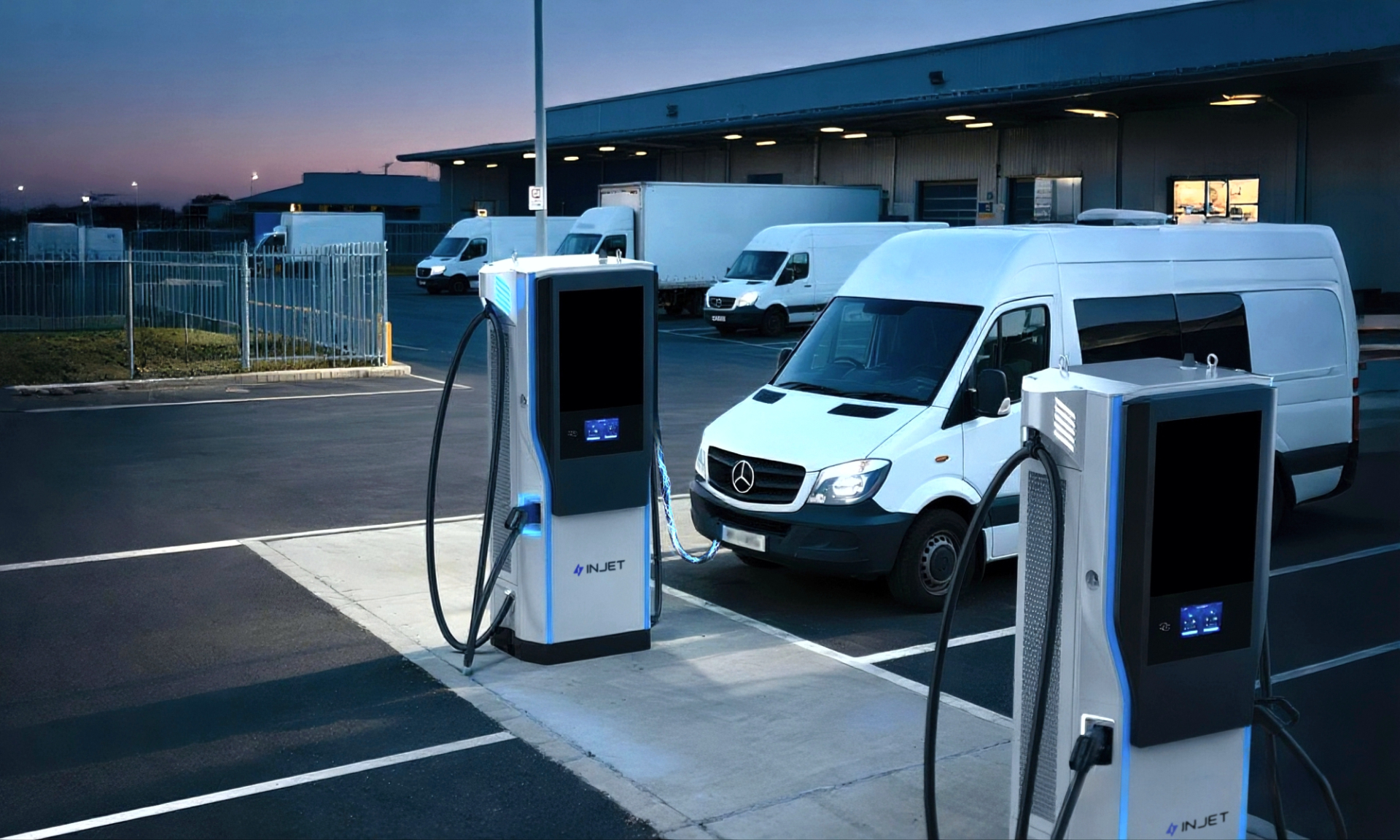
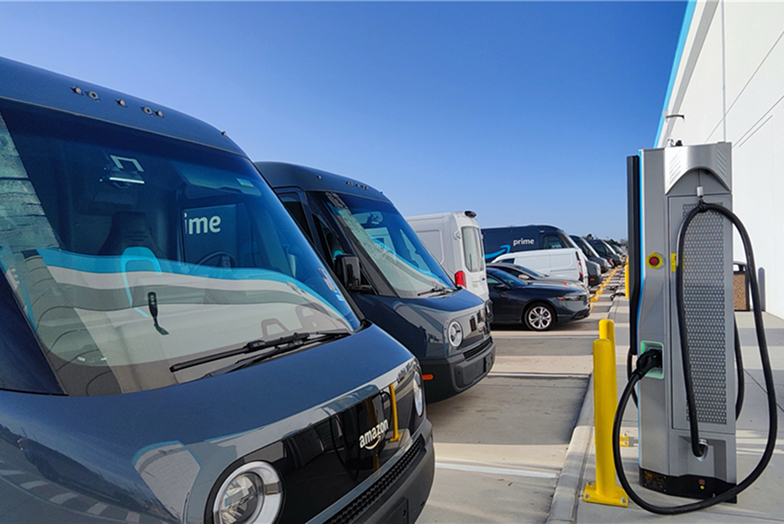
A depot can have unused charger capacity while another vehicle still needs more power. Flexible allocation helps reduce this mismatch by directing available capacity toward active charging demand. For fleet operators, the benefit is better use of installed equipment and available site power, within the limits of the depot's electrical supply.
Vehicles do not draw the same power throughout a charging session. Battery level and vehicle charging limits change how much power each can accept. Redistributing capacity as demand changes helps avoid leaving usable power idle, so the depot can deliver more energy across vehicles during a shared charging window.
When a charger is unavailable, vehicles may need to move, wait or share the remaining charging points. Equipment that is easier to diagnose and repair helps teams address faults with less disruption. Remote technical support, accessible replacement parts and serviceable component design all contribute to managing the ongoing cost of fleet charging.
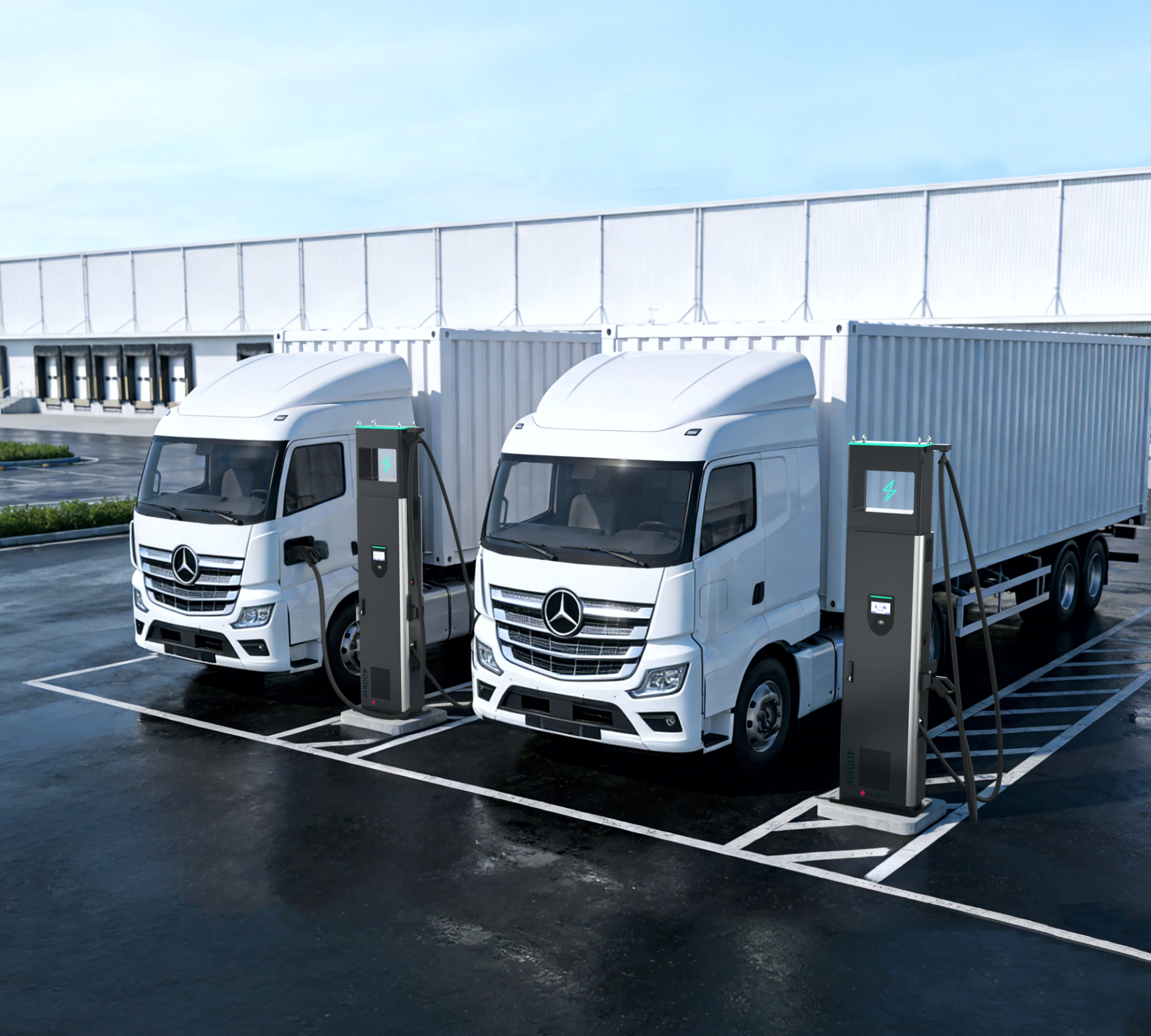
Your first electric vehicles may need only a few charging points. Later phases may require more power, more dispensers or a different depot layout. A modular charging architecture supports staged expansion, allowing the charging system to develop alongside vehicle deployment, subject to site capacity and system design.
As fleet charging demand grows, on-site solar, battery storage and diesel generation may become part of the site's energy strategy. INJET Ampax Microgrid (formerly INJET HanCang 261/522) provides an option for projects requiring these energy sources to work together. The configuration should reflect local grid conditions, charging demand and backup-power requirements.
Adding depots should not mean losing track of charging equipment. Centralized access to charger data, charging status and fault information helps teams monitor multiple sites from one platform. With a consistent view of equipment condition, operators can coordinate maintenance and direct technical attention to the locations that need it.
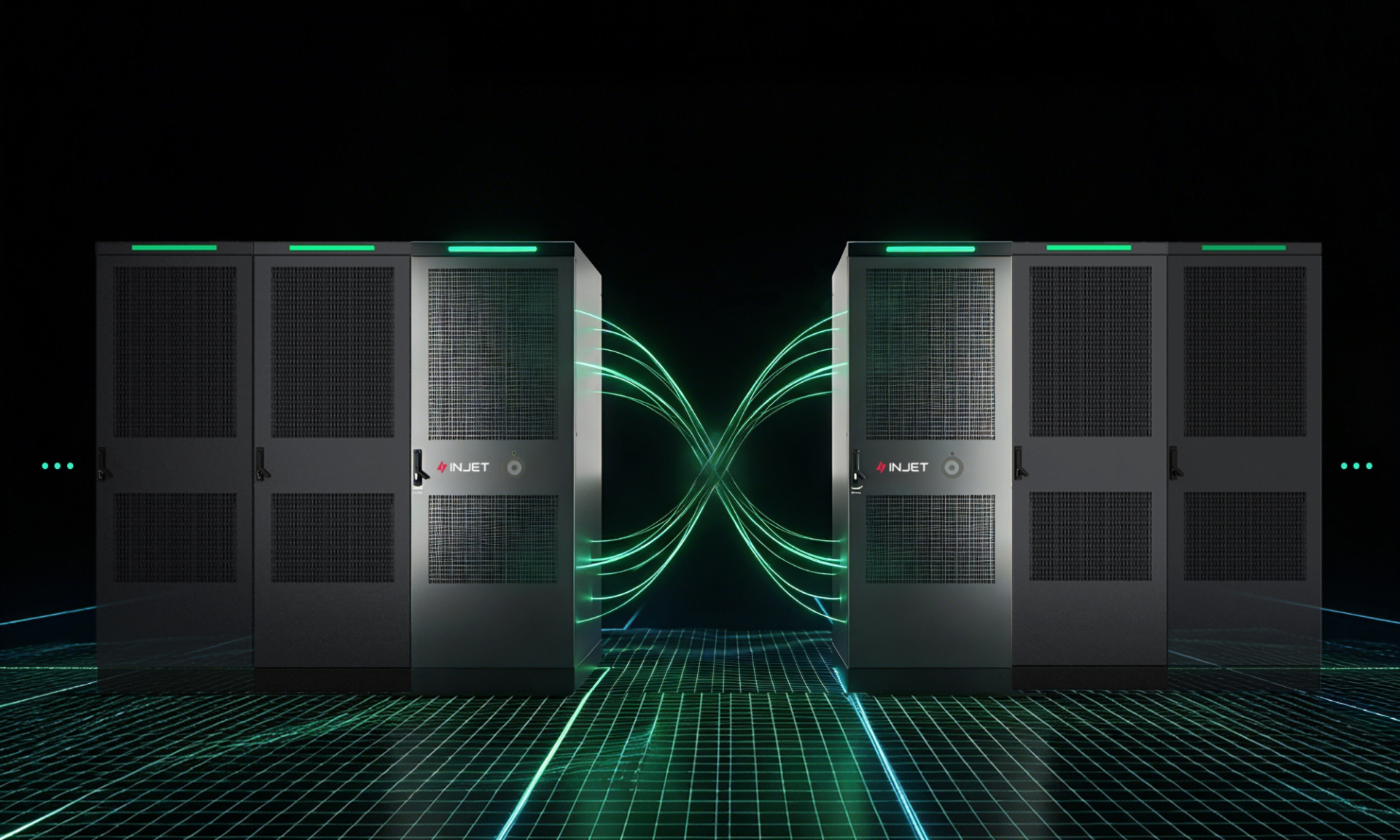




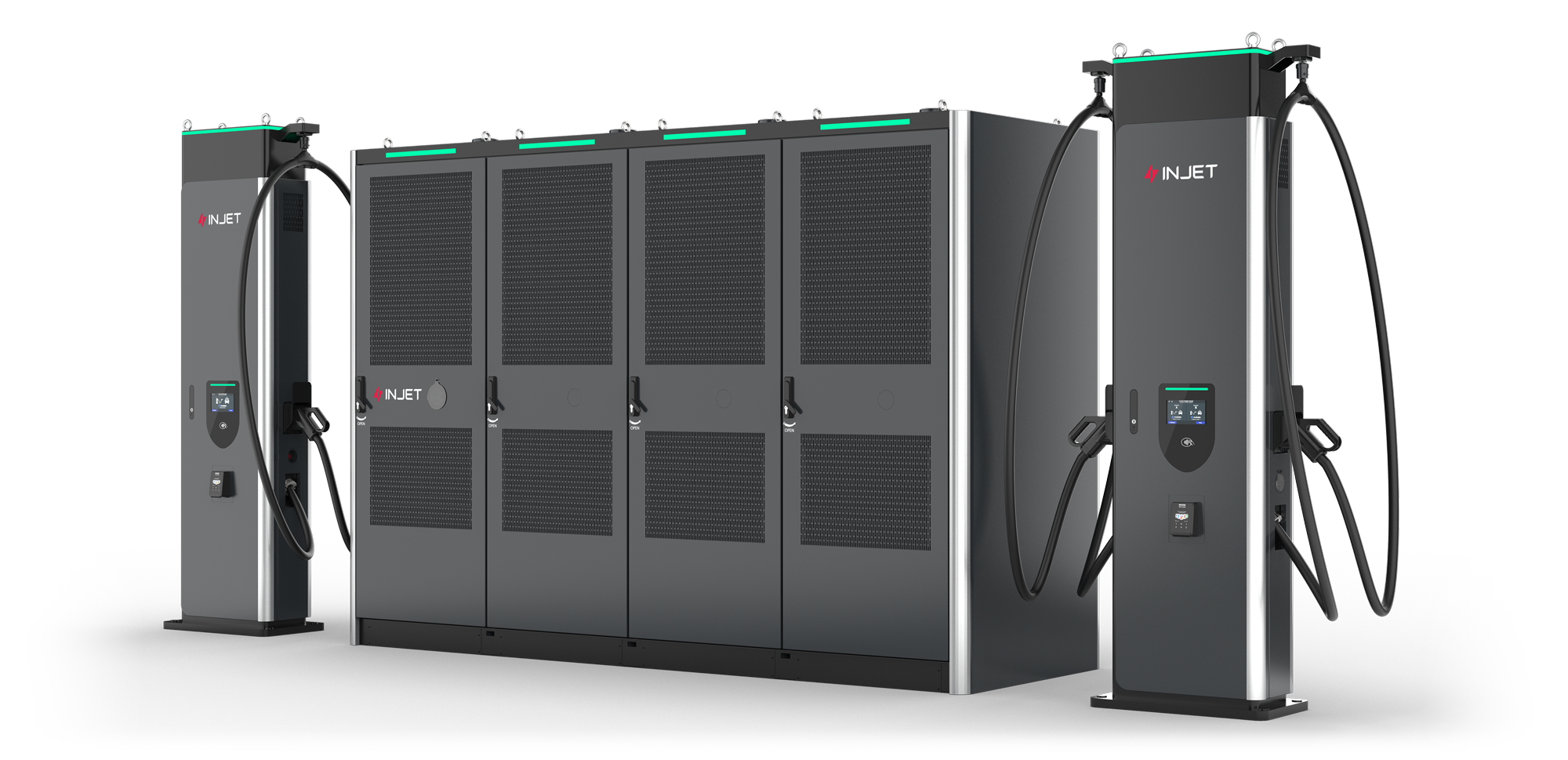
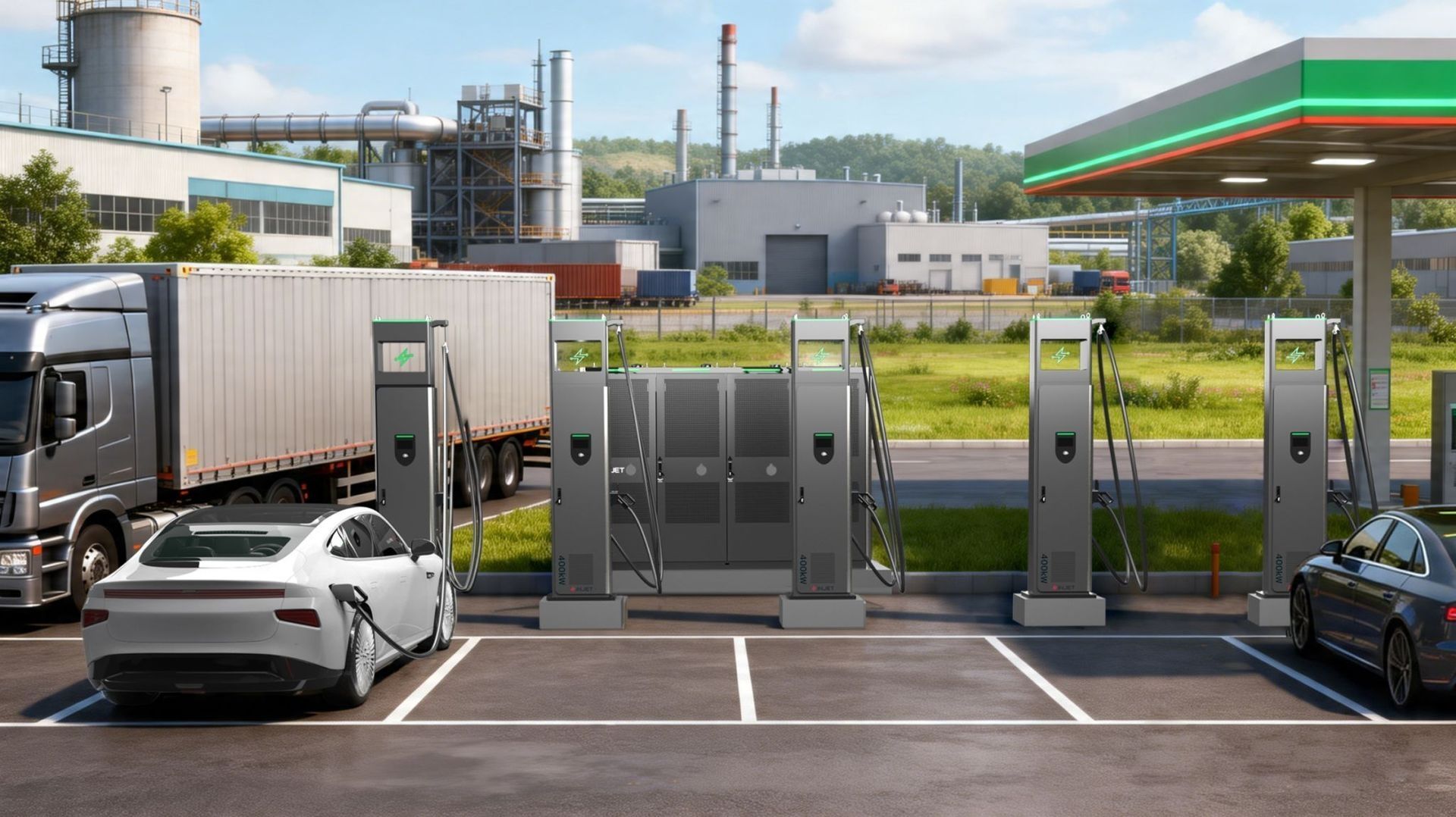
INJET Ampax Mega (formerly INJET HanYuan) is a 480–1920 kW distributed charging system built from power cabinets and dispensers. Inter-cabinet power sharing makes capacity available across the configured system, helping reduce power left idle in one cabinet while vehicles elsewhere need to charge. Its modular architecture also supports staged additions as fleet demand grows.
INJET's standard CMS brings charger data, charging status, energy delivered and fault information from multiple depots into one platform. Built for equipment management and after-sales maintenance, it helps teams investigate charging interruptions and coordinate service. OCPP connectivity also enables integration with your existing compatible charging management platform.
INJET Ampax and Ampax Pro use INJET's patented PPC design to bring specialized and wear-prone charger components into an enclosure designed for straightforward removal and replacement. Combined with remote diagnostics, spare parts and technical support, this approach simplifies service work and helps reduce the time needed to return equipment to operation.
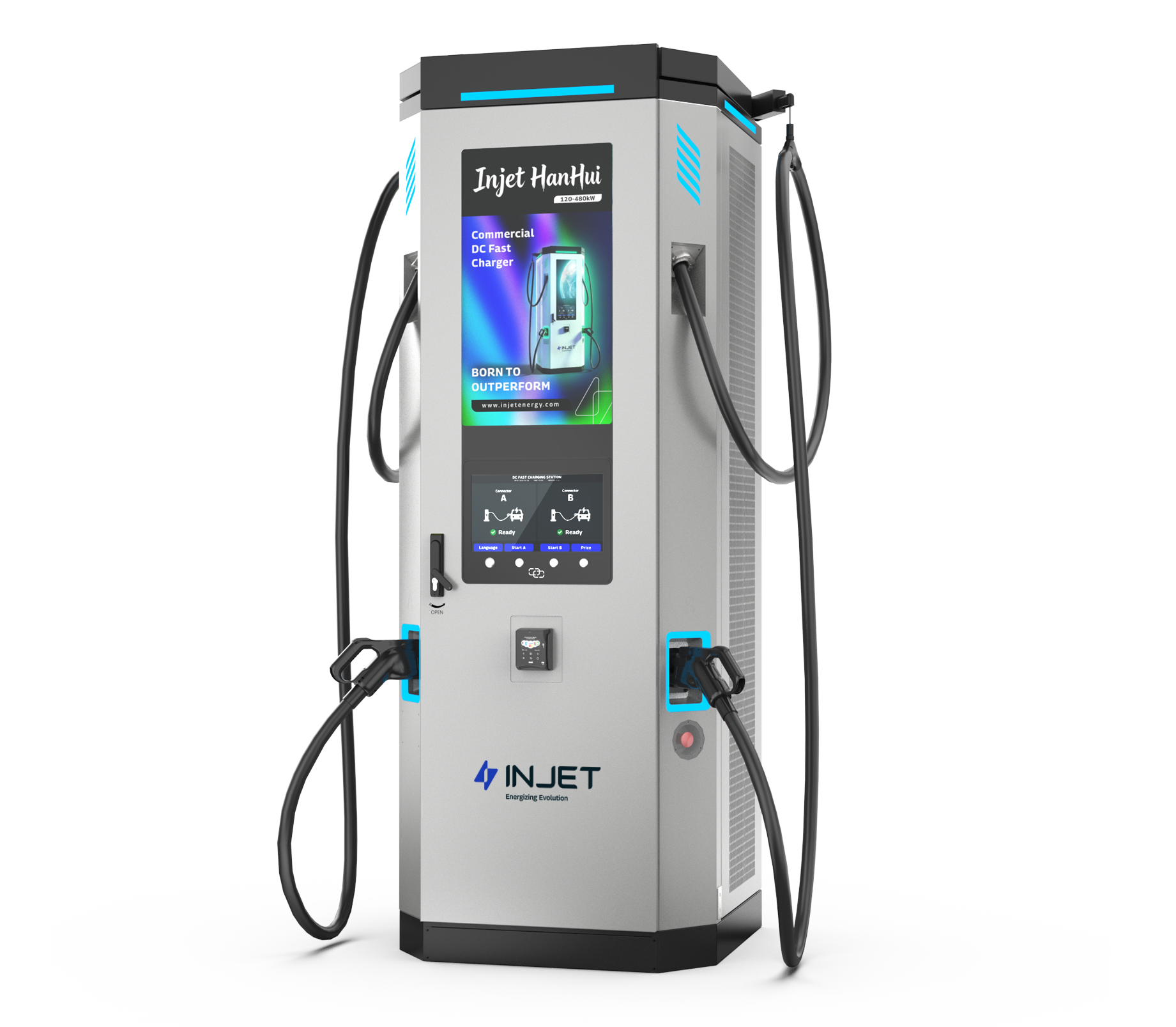
INJET Ampax Pro (formerly INJET HanHui) combines 120–480 kW integrated DC charging with site-level EMS support and flexible dual-connector power allocation. Charging power can be distributed in 40 kW increments to match vehicle demand. With a compatible EMS configuration, site power limits and dynamic allocation help operators use available electrical capacity more effectively.

Support last-mile delivery vans with depot charging matched to return times, overnight parking and the energy needed for the next day's routes.

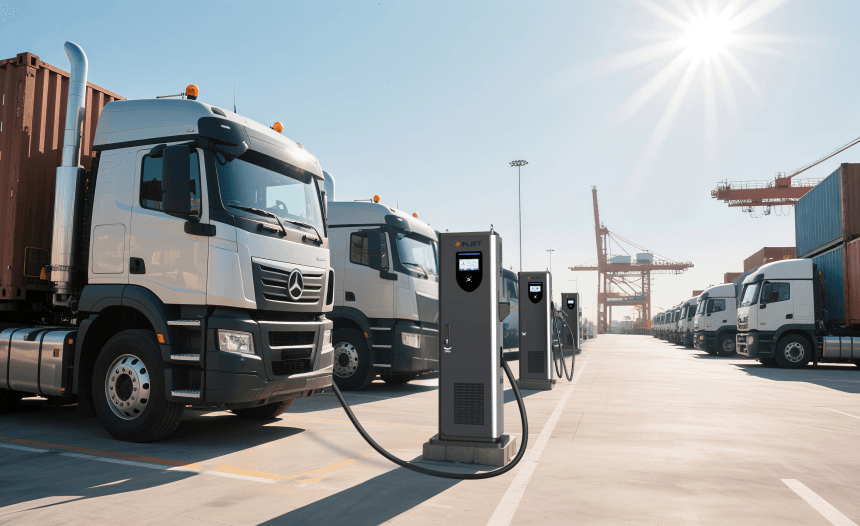
Combine high-power DC charging and shared power infrastructure for electric trucks, with capacity planned around route demand and depot dwell time.

Plan charging around bus timetables, overnight parking and between-shift windows, with modular capacity for the next phase of electrification.

Provide charging for municipal, utility and service vehicles, with equipment visibility and capacity suited to daily shifts and changing vehicle needs.




We'll Reach Out.